Have regulators failed to address agriculture’s fertilizer pollution problem?

nitrogen superjumbo
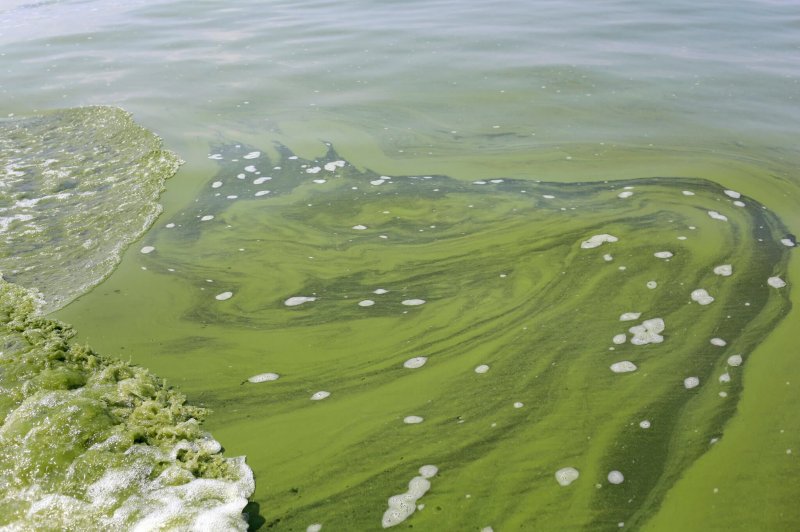
Nitrogen runoff from farms can pollute waterways. Credit: Haraz N. Ghanbari/Associated Press

Everywhere Randy Souder looked, he saw mud. On his soggy fields. In the mechanized crannies of his planter. Along the rural road to his house, where he’d left a trail of clumps. It was late June, and record-breaking rain had pushed the state’s corn-planting rate to its lowest level in nearly four decades. Souder hoped the summer sun would dry the soil quickly.

Once it did, Souder could finally start the critical next step …. cast a 100-foot swath of fertilizer over his crop. That blast of nitrogen …. would make the ears grow large and dense with kernels if applied at the right time.

But this agricultural alchemy comes with a toll. In America’s Corn Belt and around the world, some of the fertilizer applied to fields escapes the soil in new forms that contaminate and warm the planet.

The rate that farmers in the U.S. are using nitrogen fertilizer is more than 40 times higher than it was three-quarters of a century ago, far outstripping population growth …. The EPA’s science advisors have recommended nitrogen control since the early years of the agency’s existence, to little avail. Agriculture, in fact, has evaded much of the federal environmental oversight that falls on other polluting sectors.


Read the original post here.

{{ reviewsTotal }}{{ options.labels.singularReviewCountLabel }}
{{ reviewsTotal }}{{ options.labels.pluralReviewCountLabel }}
{{ options.labels.newReviewButton }}
{{ userData.canReview.message }}

Related Articles

Infographic: Global regulatory and health research agencies on whether glyphosate causes cancer

Infographic: Global regulatory and health research agencies on whether glyphosate causes cancer

Does glyphosate—the world's most heavily-used herbicide—pose serious harm to humans? Is it carcinogenic? Those issues are of both legal and ...

Most Popular

Screenshot-2026-05-01-at-1.29.41-PM
Viewpoint: What happens when whole grains meet modern food manufacturing? Labels don’t tell the whole story.
S
As vaccine rejectionism spreads, measles may be taking a more dangerous turn
Screenshot 2026-05-06 at 2.56
Singularity crisis ahead? Can super babies save us from rogue AI geniuses?
Screenshot-2026-05-06-at-2.07.43-PM
Manufacturing a conspiracy: The timeline of how  the White House embraced the fringe claim that scientists are being mysteriously murdered
Screenshot-2026-04-20-at-2.26.27-PM
Viewpoint — Food-fear world: The latest activist scientists campaign: Cancer-causing additives
Screenshot-2026-03-13-at-12.14.04-PM
The FDA wants to make many popular prescription drugs OTC—a great idea. Here’s why it’s unlikely to happen
Screenshot-2026-04-30-at-2.19.37-PM
5 myths about summer dehydration that could damage your health — or even kill you
ChatGPT-Image-May-6-2026-03_41_05-PM
‘Protecting the integrity of science’: Kennedy’s FDA blocks release of taxpayer-funded studies finding COVID and shingles vaccines safe
Screenshot-2026-05-01-at-11.56.24-AM
‘Science moves forward when people are willing to think differently’: Memories of DNA maverick Craig Venter
Screenshot 2026-05-06 at 12.49
Immortal dragons: The quest to ‘make death optional’
79d03212-2508-45d0-b427-8e9743ff6432
Viewpoint: The Casey Means hustle—Wellness woo opportunism dressed up as medical wisdom
glp menu logo outlined

Get news on human & agricultural genetics and biotechnology delivered to your inbox.