Why turning to germaphobia won’t protect us from another pandemic

istock
Credit: iStock

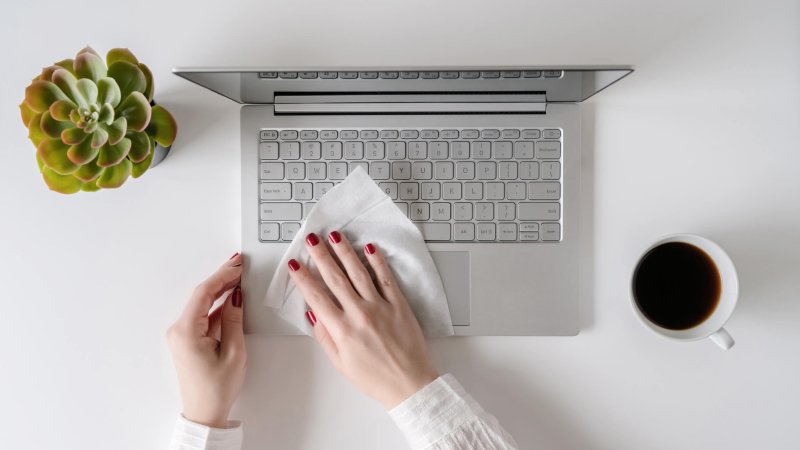
As someone who has spent years doing research in health geography, I understand that this collective turn to cleanliness serves a purpose. We are, after all, in the midst of a pandemic. Anxiety about contamination is driving us to wash our hands more, which in turn is probably helping prevent the spread of Covid-19.

But what if this anxiety crystallizes into a long-term, habitual fear of germs? I believe that such a cultural shift wouldn’t just be unhelpful, it would potentially be a danger to public health — and to the broader social sphere.

To understand why, it’s helpful to remind ourselves that viruses can have beneficial effects. Some viruses, including many bacteriophages, possess life-saving medical powers. Others, including herpesviruses, can lead to serious infections, but in their dormant state may also train the human immune system to fight Listeria food poisoning and bubonic plague.

Moreover, the sanitizers and soaps we’re using to immobilize the new coronavirus can also wipe out bacteria that are essential to human health. The human microbiome, the diverse collection of microbes living in and on the human body, has now been established as hugely important to digestive health, metabolic function, and immune responses.

[T]he lesson of this pandemic is not that we, as individuals, must do a better job of avoiding germs. It’s that we, as a society, must be better prepared for the next big public health threat.

Read the original post

{{ reviewsTotal }}{{ options.labels.singularReviewCountLabel }}
{{ reviewsTotal }}{{ options.labels.pluralReviewCountLabel }}
{{ options.labels.newReviewButton }}
{{ userData.canReview.message }}

Related Articles

Infographic: Global regulatory and health research agencies on whether glyphosate causes cancer

Infographic: Global regulatory and health research agencies on whether glyphosate causes cancer

Does glyphosate—the world's most heavily-used herbicide—pose serious harm to humans? Is it carcinogenic? Those issues are of both legal and ...

Most Popular

Screenshot-2026-05-01-at-1.29.41-PM
Viewpoint: What happens when whole grains meet modern food manufacturing? Labels don’t tell the whole story.
S
As vaccine rejectionism spreads, measles may be taking a more dangerous turn
ChatGPT-Image-Apr-13-2026-02_20_22-PM
Viewpoint: Misinformation infodemic? Why assessing evidence is so challenging 
Screenshot-2026-04-20-at-2.26.27-PM
Viewpoint — Food-fear world: The latest activist scientists campaign: Cancer-causing additives
ChatGPT-Image-Mar-27-2026-11_47_30-AM-2
FDA’s expedited drug reviews are hailed in some quarters but other approval practices are problematic
Screenshot-2026-03-13-at-12.14.04-PM
The FDA wants to make many popular prescription drugs OTC—a great idea. Here’s why it’s unlikely to happen
bigstock opioids on chalkboard with rol
GLP podcast: 'Safe injection sites': enabling drug addiction or saving lives?
circular-bioeconomy-should-focus-on-sustainable-wellbeing
GLP podcast: What's wrong with 'doomsday' environmentalism? It's false.
Farmers can talk to plants
Farmers are a major source of misinformation—about farming

Sorry. No data so far.

glp menu logo outlined

Get news on human & agricultural genetics and biotechnology delivered to your inbox.