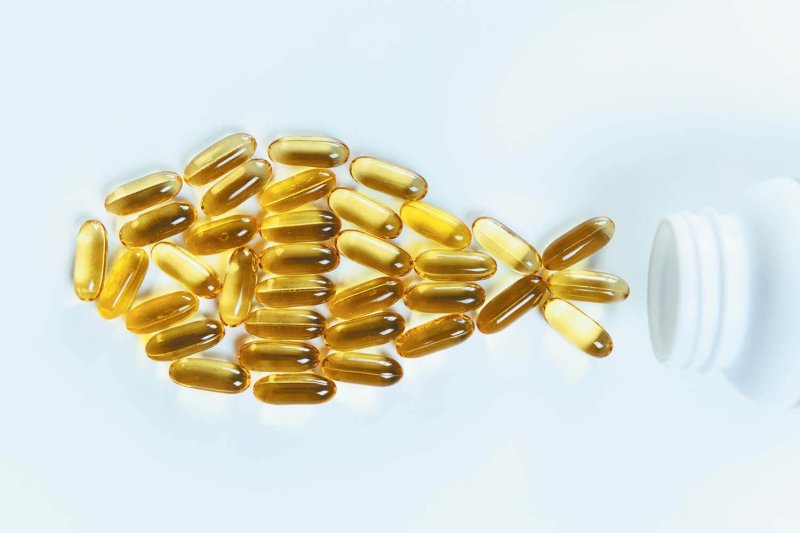
Prescription-strength omega-3 fatty acid fish oil supplements don’t prevent heart disease, study finds

c c a a f af cbe bc b

Prior research into a prescription medicine derived from fish called Vascepa, announced earlier this year, suggested it might be of real value for heart patients.

But the results from a trial of another such drug called Epanova, released [November 15], are disappointing: Researchers found no benefit from taking the medicine for a wide range of heart health outcomes, compared to taking a placebo pill containing only corn oil.

“Many people continue to take fish oil supplements to prevent heart disease. However, the fish oil medication we tested in the [new] trial was not effective for that purpose,” co-researcher Dr. A. Michael Lincoff said in a news release from the American Heart Association.

Follow the latest news and policy debates on sustainable agriculture, biomedicine, and other ‘disruptive’ innovations. Subscribe to our newsletter.

“The question of whether omega-3 fatty acids improve health is important to patients, physicians, and the health care system,” noted Dr. Gregory Curfman, who penned an editorial on the trial. “Even in the COVID-19 era, cardiovascular disease is the leading cause of death in the U.S.”

“Given the current uncertain state of knowledge, neither patients nor physicians can be confident that omega-3 fatty acids have any health benefits ,” he said.

That probably won’t stop Americans from buying the supplements: “In 2019, the global market for omega-3 fatty acids reached $4.1 billion and is expected to double by 2025,” Curfman noted.


Read the original post

{{ reviewsTotal }}{{ options.labels.singularReviewCountLabel }}
{{ reviewsTotal }}{{ options.labels.pluralReviewCountLabel }}
{{ options.labels.newReviewButton }}
{{ userData.canReview.message }}

Related Articles

Infographic: Global regulatory and health research agencies on whether glyphosate causes cancer

Infographic: Global regulatory and health research agencies on whether glyphosate causes cancer

Does glyphosate—the world's most heavily-used herbicide—pose serious harm to humans? Is it carcinogenic? Those issues are of both legal and ...

Most Popular

Screenshot-2026-04-22-at-12.21.32-PM
Viewpoint: Why the retracted Monsanto glyphosate study doesn’t change the science—the world’s most popular herbicide is safe 
Picture1
The FDA couldn’t find a vaccine safety crisis, so it buried its own research
ChatGPT-Image-May-1-2026-11_42_59-AM-2
Viewpoint: NAD is the wellness grifters latest evidence-lite longevity fad. At least the mice are impressed.
ChatGPT-Image-May-7-2026-01_23_27-PM-2
Viewpoint: Will AI democratize personalized cancer treatment or fuel medical misinformation?
global warming
‘Implausible’: Top climate scientists reject worst-case scenario—soaring temperatures and fast-rising sea levels
ChatGPT-Image-Apr-16-2026-02_56_53-PM
Financial incentives, over diagnosis, and weak oversight: Autism claims are driving up Medicare costs
vax-misinformation-main
Facts & Fallacies Podcast: Limit free speech to blunt social media misinfo?
Screenshot-2026-05-21-at-12.15.17-PM
UK gene-editing milestone: Livestock barley that increases ruminant value and reduces methane emissions is first-approved CRISPR crop
ChatGPT-Image-May-12-2026-11_27_01-AM-2
AI likely to improve health care, research shows—but not for blacks and ethnic minorities
Screenshot-2026-05-21-at-3.15.53-PM
Chiropractors may no longer be modern-day snake oil salesmen, but the benefits of their therapy are limited–at best
glp menu logo outlined

Get news on human & agricultural genetics and biotechnology delivered to your inbox.