Following glyphosate ban, Belgian gardeners find ‘eco-friendly’ weedkillers mostly ineffective

Credit: Sarah Crowley/The Spruce

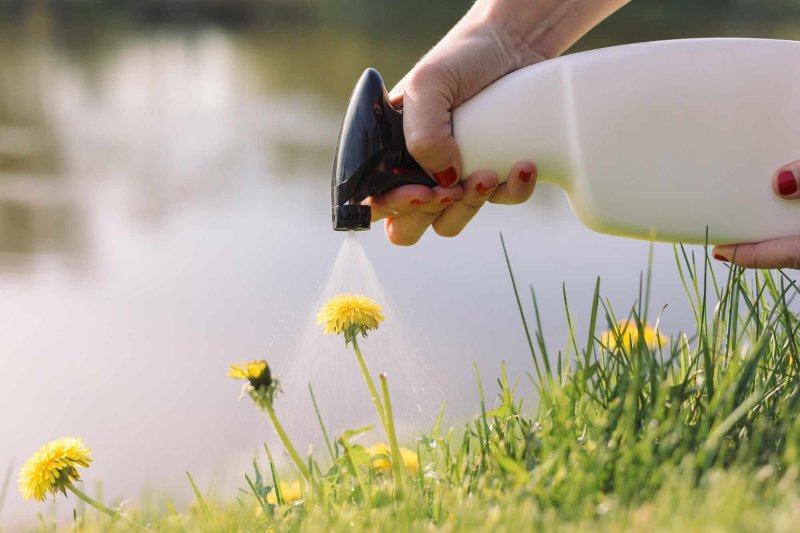
The majority of weed-killing products on the market today were rated “weak” or “bad,” according to results from the Belgian consumer testing company Test Aankoop, obtained by De Standaard.

“It is unfortunate that we have to put it so bluntly, and we are certainly not advocating the return of glyphosate, but these ecological herbicides hardly work, if at all,” said Simon November of Test Aankoop.

Following a ban on glyphosate in herbicides 2018, none of them now contain that chemical, which was found to be carcinogenic and harmful to nature – hence its presence in a substance designed to kill plants.

Without glyphosate allowed in the solution, producers switched to alternatives based on pelargonic acid, acetic acid, or a mixture of fatty acids.

The consumer agency tested 19 of those new products (ones like Aveve Weed-Stop, Pursol Ecological Weed Killer, and Herbistop Ultra Total Weed Killer) throughout last year on grass, clover, buttercups, daisies, moss, and plantain (plantago).

Only against dandelions did products show a marginal degree of success, but even the yellow flowers stubbornly returned.
Follow the latest news and policy debates on sustainable agriculture, biomedicine, and other ‘disruptive’ innovations. Subscribe to our newsletter.

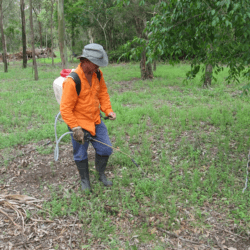
Ultimately, garden specialists point to weed burners, metal brushes, mulch, and ground cover as solutions to the herbicides that no longer do the trick.

In other words – we’ll all have to garden the old-fashioned way.

Read the original post

{{ reviewsTotal }}{{ options.labels.singularReviewCountLabel }}
{{ reviewsTotal }}{{ options.labels.pluralReviewCountLabel }}
{{ options.labels.newReviewButton }}
{{ userData.canReview.message }}

Related Articles

Infographic: Global regulatory and health research agencies on whether glyphosate causes cancer

Infographic: Global regulatory and health research agencies on whether glyphosate causes cancer

Does glyphosate—the world's most heavily-used herbicide—pose serious harm to humans? Is it carcinogenic? Those issues are of both legal and ...

Most Popular

Screenshot-2026-05-01-at-1.29.41-PM
Viewpoint: What happens when whole grains meet modern food manufacturing? Labels don’t tell the whole story.
S
As vaccine rejectionism spreads, measles may be taking a more dangerous turn
Screenshot 2026-05-06 at 2.56
Singularity crisis ahead? Can super babies save us from rogue AI geniuses?
Screenshot-2026-05-06-at-2.07.43-PM
Manufacturing a conspiracy: The timeline of how  the White House embraced the fringe claim that scientists are being mysteriously murdered
Screenshot-2026-04-20-at-2.26.27-PM
Viewpoint — Food-fear world: The latest activist scientists campaign: Cancer-causing additives
Screenshot-2026-03-13-at-12.14.04-PM
The FDA wants to make many popular prescription drugs OTC—a great idea. Here’s why it’s unlikely to happen
Screenshot-2026-04-30-at-2.19.37-PM
5 myths about summer dehydration that could damage your health — or even kill you
ChatGPT-Image-May-6-2026-03_41_05-PM
‘Protecting the integrity of science’: Kennedy’s FDA blocks release of taxpayer-funded studies finding COVID and shingles vaccines safe
Screenshot-2026-05-01-at-11.56.24-AM
‘Science moves forward when people are willing to think differently’: Memories of DNA maverick Craig Venter
Screenshot 2026-05-06 at 12.49
Immortal dragons: The quest to ‘make death optional’
79d03212-2508-45d0-b427-8e9743ff6432
Viewpoint: The Casey Means hustle—Wellness woo opportunism dressed up as medical wisdom
glp menu logo outlined

Get news on human & agricultural genetics and biotechnology delivered to your inbox.