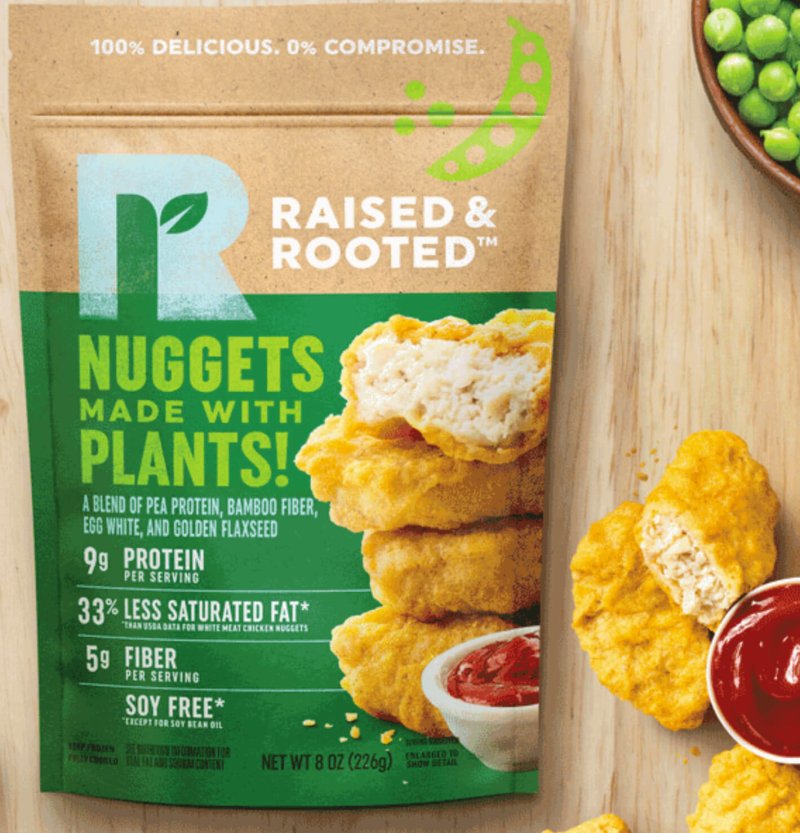
Plant-based meats are now a fixture at fast-food restaurants around the world, and plant-based milk is a household staple. Alternatives based on microorganisms have been available for decades, and you can taste meat grown from animal cells in restaurants in Singapore and Israel. Indeed, consumers will soon be able to make nine out of ten of the world’s most popular dishes—especially those using less-structured meat, such as ground beef—with reasonably priced alternative proteins.
What we see today is only the beginning of the protein transformation, however. By 2035, after alternative proteins reach full parity in taste, texture, and price with conventional animal proteins, 11% of all the meat, seafood, eggs, and dairy eaten around the globe is very likely to be alternative. With a push from regulators and step changes in technology, that number could reach 22% in 2035.

In addition to its beneficial impact on human health, the shift to alternatives can make a real contribution to the efforts to combat climate change. By 2035, the shift to alternatives will save as much carbon dioxide equivalent (CO2-e) as Japan emits in a year, conserve enough water to supply the city of London for 40 years, and promote biodiversity and food security. Consumers can eat tasty food while helping protect the planet.