
According to the Genetic Literacy Project, “The most recent data from the International Service for the Acquisition of Agri-biotech Applications (ISAAA) shows that more than 18 million farmers in 29 countries, including 19 developing nations, planted over 190 million hectares (469.5 million acres) of GMO crops in 2019.” The organization stated that a “majority” of European countries and Russia, among other countries, ban the crops. However, most countries that ban the growth of GMO crops allow their import. Europe, for example, imports 30 million tons of corn and soy animal feeds every year, much of which is GM (genetically modified). [58]
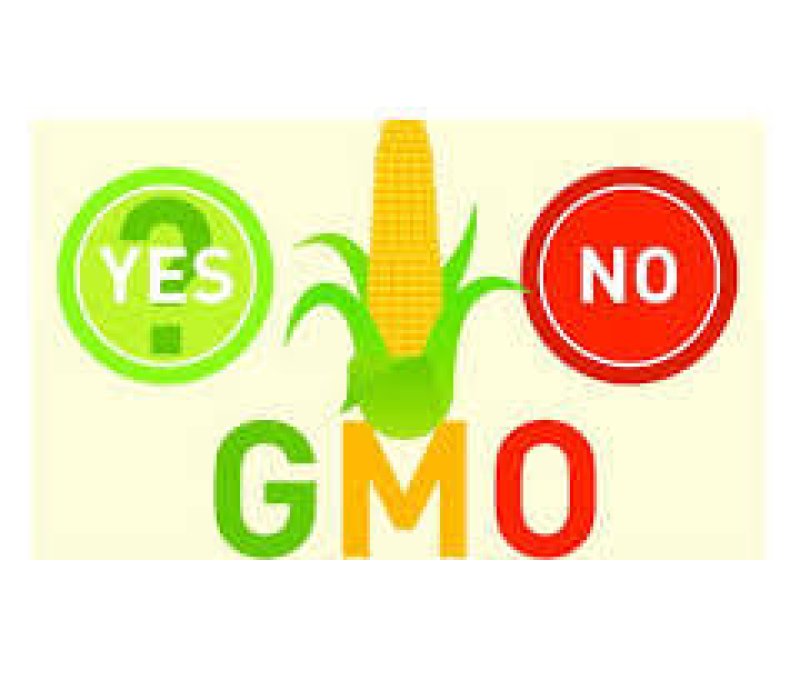
Pro 1: Genetically modified (GM) crops have been proven safe through testing and use and can even increase the safety of common foods.
…
Pro 2: GM crops lower the price of food and increase nutritional content, helping to alleviate world hunger.
…
Pro 3: Growing GM crops leads to environmental benefits, such as reduced pesticide use, less water waste, and lower carbon emissions.
…
Con 1: GM crops have not been proven safe for human consumption through human clinical trials.
…
Con 2: Tinkering with the genetic makeup of plants may result in changes to the food supply that introduce toxins or trigger allergic reactions.
…
Con 3: Certain GM crops harm the environment through the increased use of toxic herbicides and pesticides.
This is an excerpt. Read the original post here