Only 5 senses? There’s actually 6 more, and here’s how they work

Credit: Getty Images

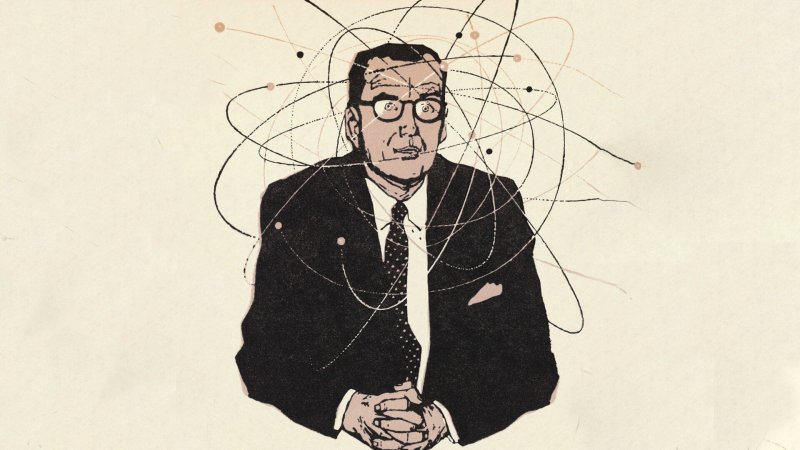
Aristotle’s desperately outdated five sense model may still be popular, but it vastly under-estimates our extraordinary human capacity for sensing.

1. Proprioception — the sensing of the location of our body parts in space — has been relatively ignored, but it’s critical for confidence in using our bodies…

2. Our vestibular system allows us to sense the direction of gravity (and so which way is up), as well as horizontal and vertical movement (as in a car or a lift) and in three dimensions (as on a rollercoaster)…

3. We know that our eyes are not just for seeing. When melanopsin-expressing cells in the retina are exposed to light, they send signals to the master body-clock, in the brain’s hypothalamus…

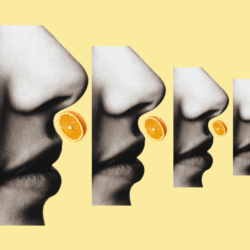
4. Smell is not hugely regarded, or developed, in many people in Western cultures. But research with hunter-gatherer groups… shows that we have the biological capacity to smell extraordinarily well…

5. We have receptors in our skin that register temperatures within specific ranges. Stimulation of our “warmth-sensors”, in particular, has been linked to feeling less lonely…

Follow the latest news and policy debates on sustainable agriculture, biomedicine, and other ‘disruptive’ innovations. Subscribe to our newsletter.

6. About 10% of us are really good at sensing our own heartbeat without feeling for a pulse, 5-10% of us are terrible at it, and the rest fall in between. Research shows that people who are better at so-called “cardiac interoception” experience emotions more intensely.


Read the original post

{{ reviewsTotal }}{{ options.labels.singularReviewCountLabel }}
{{ reviewsTotal }}{{ options.labels.pluralReviewCountLabel }}
{{ options.labels.newReviewButton }}
{{ userData.canReview.message }}

Related Articles

Infographic: Global regulatory and health research agencies on whether glyphosate causes cancer

Infographic: Global regulatory and health research agencies on whether glyphosate causes cancer

Does glyphosate—the world's most heavily-used herbicide—pose serious harm to humans? Is it carcinogenic? Those issues are of both legal and ...

Most Popular

Screenshot-2026-04-12-135256
Bixonimania: The fake disease scam that AI swallowed whole
Screenshot-2026-05-01-at-1.29.41-PM
Viewpoint: What happens when whole grains meet modern food manufacturing? Labels don’t tell the whole story.
ChatGPT-Image-Apr-13-2026-02_20_22-PM
Viewpoint: Misinformation infodemic? Why assessing evidence is so challenging 
Farmers can talk to plants
Farmers are a major source of misinformation—about farming
a ufo a photoblog
U.S. government accused of pushing ‘fake news’ about UFOs to cover-up secret dark-project drone and aircraft technology

Sorry. No data so far.

glp menu logo outlined

Get news on human & agricultural genetics and biotechnology delivered to your inbox.