Legal brief: Can governments, private employers, businesses or universities require vaccines?

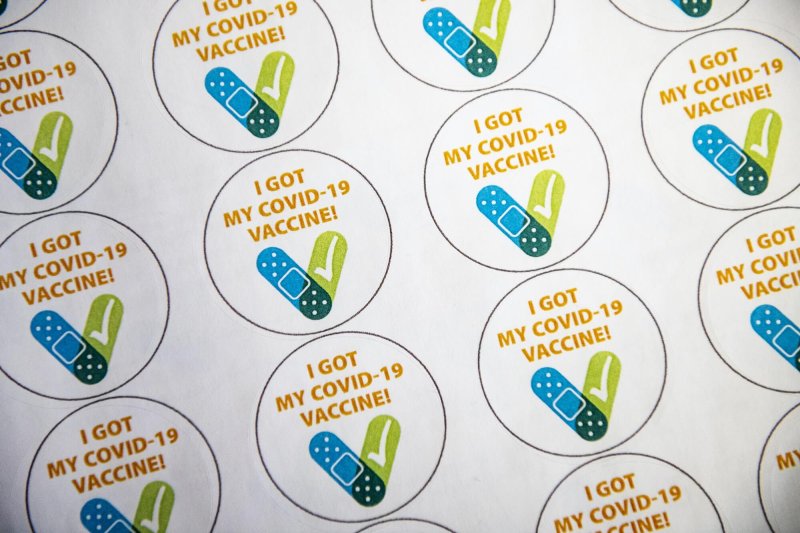
Credit: Kelsey Brunner/The Aspen Times/AP

With several vaccines available for emergency use in the U.S. and distribution efforts underway, policymakers and public health officials are increasingly focusing on ways to accelerate the pace and maximize the extent of vaccine uptake. These efforts include increasing vaccine supply and relaxing eligibility requirements, public education and outreach campaigns, ensuring the accessibility of vaccine administration sites, job-based incentives, and even mandates. 

Public opinion on such mandates is mixed, with our surveys showing about half of the public saying employers should be allowed to require vaccination for COVID-19 (51%) and 45% saying they should not be allowed to do so. 

Neither states nor the federal government have mandated vaccination for COVID-19 to date, though some employers have done so… In addition, some states are considering legislation that would prohibit employers from adopting COVID-19 vaccine mandates for employees generally or limit employer vaccine mandates to only employees working in health care settings.


Follow the latest news and policy debates on sustainable agriculture, biomedicine, and other ‘disruptive’ innovations. Subscribe to our newsletter.

So far, most colleges and universities have been encouraging but not mandating COVID-19 vaccines for students, though several, starting with Rutgers University and Cornell University, recently announced that they will require students to be vaccinated against COVID-19 for attendance in Fall 2021… Other colleges and universities are also beginning to announce similar policies, in some cases for staff and faculty as well.

Read the original post

{{ reviewsTotal }}{{ options.labels.singularReviewCountLabel }}
{{ reviewsTotal }}{{ options.labels.pluralReviewCountLabel }}
{{ options.labels.newReviewButton }}
{{ userData.canReview.message }}

Related Articles

Infographic: Global regulatory and health research agencies on whether glyphosate causes cancer

Infographic: Global regulatory and health research agencies on whether glyphosate causes cancer

Does glyphosate—the world's most heavily-used herbicide—pose serious harm to humans? Is it carcinogenic? Those issues are of both legal and ...

Most Popular

Screenshot-2026-04-22-at-12.21.32-PM
Viewpoint: Why the retracted Monsanto glyphosate study doesn’t change the science—the world’s most popular herbicide is safe 
Picture1
The FDA couldn’t find a vaccine safety crisis, so it buried its own research
ChatGPT-Image-May-1-2026-11_42_59-AM-2
Viewpoint: NAD is the wellness grifters latest evidence-lite longevity fad. At least the mice are impressed.
ChatGPT-Image-Apr-16-2026-02_56_53-PM
Financial incentives, over diagnosis, and weak oversight: Autism claims are driving up Medicare costs
ChatGPT-Image-May-12-2026-11_27_01-AM-2
AI likely to improve health care, research shows—but not for blacks and ethnic minorities
ChatGPT-Image-May-7-2026-01_23_27-PM-2
Viewpoint: Will AI democratize personalized cancer treatment or fuel medical misinformation?
vax-misinformation-main
Facts & Fallacies Podcast: Limit free speech to blunt social media misinfo?

Sorry. No data so far.

glp menu logo outlined

Get news on human & agricultural genetics and biotechnology delivered to your inbox.