‘Just because it’s vegan doesn’t mean it’s sustainable or biodegradable’: Here’s the complicated truth behind plant-based materials — the latest eco fashion fad

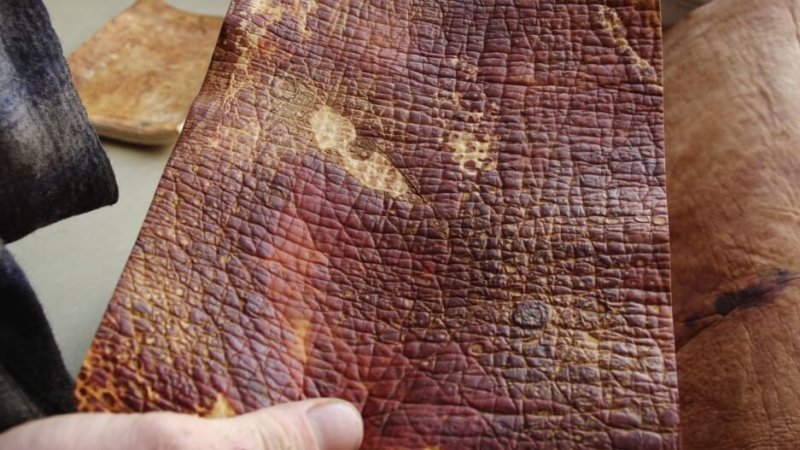
mushroom leather
Leather made from mushrooms. Credit: MycoWorks

In the accelerated push for mitigating the plastic crisis and exhaustive raw material use while appeasing a new guard of vegan consumers, scientists are peering back to natural solutions instead of fossil-based synthetic raw materials.

But plant-powered materials — as with any solution — aren’t perfect, either.

Just because it’s vegan doesn’t mean it’s sustainable or biodegradable.

Lurking in the layers of some plant-based materials are synthetics — denting any edible connotations for textiles made from mushrooms (mycelium), pineapple and more.

Follow the latest news and policy debates on sustainable agriculture, biomedicine, and other ‘disruptive’ innovations. Subscribe to our newsletter.

There’s also a growing trend toward carbon capture technologies which enable brands like Covalent — from the Huntington Beach-based biotechnology company Newlight Technologies Inc. — to extract carbon from the air with its novel “AirCarbon” material.

Turning to agricultural waste as feedstock not unlike the leather industry, textiles like Piñatex get its name from the use of excess pineapple leaf fiber, Vegea from apple orchard waste, and vineyards and Desserto from milled cactus leaves.

But these solutions aren’t rid of synthetics entirely, even if in trace amounts. For building durability, it’s common for bio-based materials to pose “hidden synthetics” in the form of solvents, coatings or plasticizers.


Read the original post

{{ reviewsTotal }}{{ options.labels.singularReviewCountLabel }}
{{ reviewsTotal }}{{ options.labels.pluralReviewCountLabel }}
{{ options.labels.newReviewButton }}
{{ userData.canReview.message }}

Related Articles

Infographic: Global regulatory and health research agencies on whether glyphosate causes cancer

Infographic: Global regulatory and health research agencies on whether glyphosate causes cancer

Does glyphosate—the world's most heavily-used herbicide—pose serious harm to humans? Is it carcinogenic? Those issues are of both legal and ...

Most Popular

ChatGPT-Image-May-7-2026-12_16_37-PM-2
Viewpoint: Are cancer rates ‘skyrocketing’ as RFK, Jr. and MAHA claims? The evidence says mostly the opposite
Screenshot-2026-04-13-at-1.39.26-PM
Viewpoint: ‘Safer for children?’ Stonyfield yogurt under fire for deceptive organic marketing
Screenshot-2026-04-22-at-10.46.29-AM
Viewpoint: How to counter science disinformation? Science journalist offers 12 practical tips
png-pill-omega-Supp-fish-oil
Millions take omega-3 fish oil for brain health. New research suggests it may do the opposite.
ChatGPT Image May 14, 2026, 09_51_35 PM
Facebook swamped by hundreds of thousands of scam ads for illegal or dangerous medical products
ChatGPT Image May 12, 2026, 01_21_30 PM
How big health brands are funding online medical misinformation 
Screenshot-2026-04-23-at-11.00.36-AM
Regulators' dilemma: Thalidomide, Metformin, and the cost of getting drug approvals wrong
ChatGPT-Image-May-13-2026-12_43_37-PM-2
Longevity: Is cellular rejuvenation even possible?
Picture1-1
Cooling the planet with balloons: Could a geoengineering gamble slow global warming?
ChatGPT-Image-May-12-2026-08_39_41-PM
GLP podcast: Big Pharma, Big Ag, Big Food—health harming industries or life-saving innovators?
Screenshot 2026-05-12 at 11.01
Viewpoint: Can this California pediatrician and Congressional hopeful quell anti-vaccine extremists?

Sorry. No data so far.

glp menu logo outlined

Get news on human & agricultural genetics and biotechnology delivered to your inbox.