Viewpoint: Thinking about carbon as a crop

Credit: Enrique Castro-Mendivil/Reuters

“The idea behind carbon farming is pretty simple — remove excess carbon from the atmosphere and store it in the soil, where it will facilitate plant growth,” [soil scientist Katie] Lewis said.

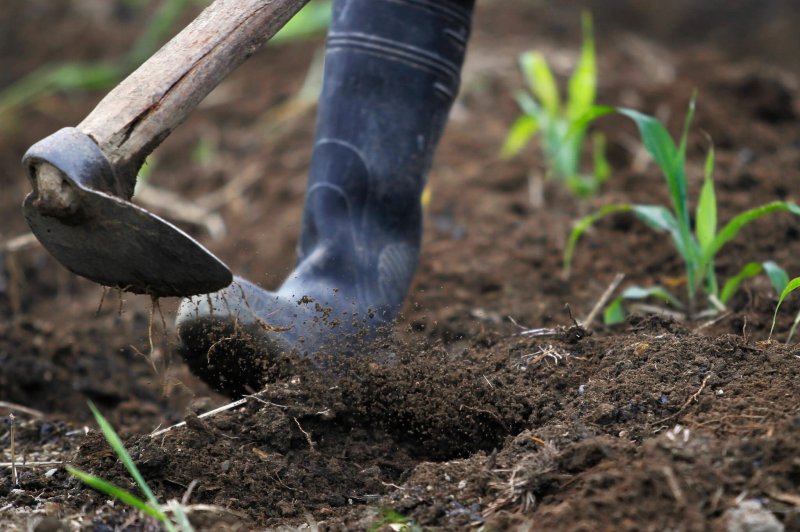
Carbon farming involves implementing agricultural practices that improve the rate at which carbon dioxide is removed from the atmosphere and converted to plant material and soil organic matter. It works by applying agricultural methods such as no-till or conservation tilling for minimal soil disturbance, mulching, composting, rotating livestock and using cover crops as ways of sequestering carbon in the soil.

“Recently, there have been discussions about creating a ‘carbon bank’ at the USDA that would buy and sell carbon credits from farmers,” [economist Joe] Outlaw said. “The credits could then be sold to corporations needing to offset their emissions.”

This concept, which has received support from a number of farm, food, forestry and environmental groups, also makes accommodations for early adopters.
Follow the latest news and policy debates on sustainable agriculture, biomedicine, and other ‘disruptive’ innovations. Subscribe to our newsletter.

“At this time, there’s really no way to know if carbon farming would be an effective way to fight climate change, but there is no doubt there are many ways to make changes in land management that would improve soil health and benefit the environment,” Outlaw said.  

Read the original post

{{ reviewsTotal }}{{ options.labels.singularReviewCountLabel }}
{{ reviewsTotal }}{{ options.labels.pluralReviewCountLabel }}
{{ options.labels.newReviewButton }}
{{ userData.canReview.message }}

Related Articles

Infographic: Global regulatory and health research agencies on whether glyphosate causes cancer

Infographic: Global regulatory and health research agencies on whether glyphosate causes cancer

Does glyphosate—the world's most heavily-used herbicide—pose serious harm to humans? Is it carcinogenic? Those issues are of both legal and ...

Most Popular

ChatGPT-Image-Feb-16-2026-01_57_31-PM
Viewpoint: ‘Science-as-Satan’ unites the MAHA—MAGA movements. Is a breakup in the works?
bayer-supremecourt-lt
EPA concludes glyphosate is not carcinogenic. Missouri courts say Monsanto failed to warn it might be. SCOTUS weighs in.
ChatGPT-Image-Apr-22-2026-11_06_18-AM
Wellness influencer nonsense: No, nicotine does not boost cognition and productivity, but it can damage your health 
Screenshot-2026-04-13-at-3.54.04-PM
AI disinformation stress test: Challenges and response strategies
ChatGPT-Image-Feb-16-2026-01_04_32-PM
Raw milk myth wake-up call
ChatGPT-Image-Mar-11-2026-11_58_46-AM
The Trump administration has run out more than 4,000 National Institutes of Health employees. Here are the consequences
Screenshot-PM-24
Viewpoint: The herbicide glyphosate isn’t perfect. Banning it would be far worse.
Screenshot-2026-04-21-at-1.11.22-PM
Boy Kibble: Muscle-building protein maxxing is the latest male health delusion
d-b
Blocked arteries, kidney stones, nausea, constipation, fatigue: Long list of health problems caused by too much vitamin D 
ChatGPT-Image-Apr-23-2026-09_20_20-PM
Kennedy’s CDC blocks publication of study that shows vaccines reduce hospitalizations by 50%, then misrepresents why
Screenshot-2026-04-20-at-3.34.46-PM
Viewpoint: How do you sell evidence-based health and science in a world where facts don’t matter?
glp menu logo outlined

Get news on human & agricultural genetics and biotechnology delivered to your inbox.