Finding ‘invisible DNA’ floating in the air opens doors to detecting and protecting rare wildlife

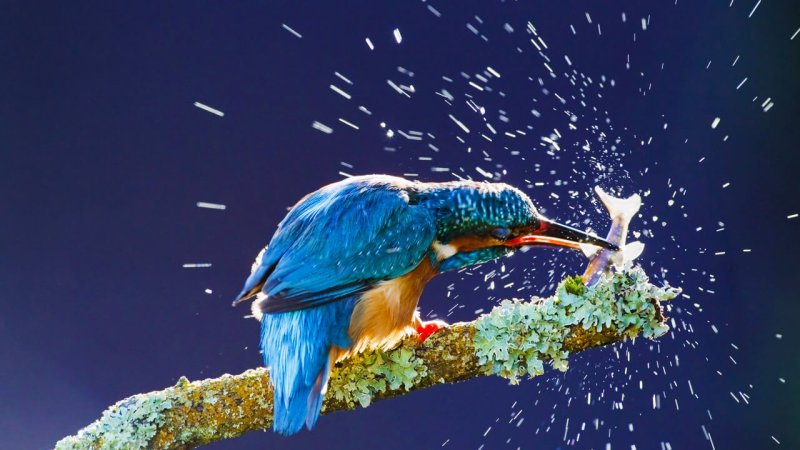
Common Kingfisher (Alcedo atthis) adult, feeding. Credit: Kevin Elsby/FLPA/Minden Pictures

DNA is in the air – literally. It is wafted around by all the Earth’s creatures, and now scientists have found a way to detect these invisible traces of genetic material so they can identify the animals that released them.

The discovery – made independently by British and Danish research groups earlier this year – opens up a powerful way to pinpoint the presence of rare wildlife in deserts, rainforests and other hostile environments.

“This could transform the way we study biodiversity,” said Professor Elizabeth Clare of York University. “Every other technique we have for tracing animals – camera traps, say, or acoustic monitoring – relies on the animals being physically present near or in front of you.

“Trapping their DNA from the air is much less invasive, and much more flexible. You could detect the presence of creatures in caves without disturbing them, for example.”

Follow the latest news and policy debates on sustainable agriculture, biomedicine, and other ‘disruptive’ innovations. Subscribe to our newsletter.

Future uses of airborne DNA detectors could include tracing insect pests from air samples and pinpointing animals living in burrows without disturbing them. However, both sets of scientists acknowledge there are hurdles to be overcome before the technology becomes a standard method for studying biodiversity.


Read the original post

{{ reviewsTotal }}{{ options.labels.singularReviewCountLabel }}
{{ reviewsTotal }}{{ options.labels.pluralReviewCountLabel }}
{{ options.labels.newReviewButton }}
{{ userData.canReview.message }}

Related Articles

Infographic: Global regulatory and health research agencies on whether glyphosate causes cancer

Infographic: Global regulatory and health research agencies on whether glyphosate causes cancer

Does glyphosate—the world's most heavily-used herbicide—pose serious harm to humans? Is it carcinogenic? Those issues are of both legal and ...

Most Popular

ChatGPT-Image-Mar-27-2026-11_47_30-AM-2
FDA’s expedited drug reviews are hailed in some quarters but other approval practices are problematic
Farmers can talk to plants
Farmers are a major source of misinformation—about farming
Screenshot-2026-05-01-at-1.29.41-PM
Viewpoint: What happens when whole grains meet modern food manufacturing? Labels don’t tell the whole story.
ChatGPT-Image-Apr-13-2026-02_20_22-PM
Viewpoint: Misinformation infodemic? Why assessing evidence is so challenging 
S
As vaccine rejectionism spreads, measles may be taking a more dangerous turn
Screenshot 2026-05-06 at 2.19
Vaccine shootout at the CDC 
What explains Homo sapiens’ huge brains? Ancient climate change played a role
Viewpoint: Internal White House documents detail administration’s strategy to undermine climate science
Screenshot-2026-04-20-at-2.26.27-PM
Viewpoint — Food-fear world: The latest activist scientists campaign: Cancer-causing additives
ChatGPT-Image-May-7-2026-11_28_04-AM-2
‘Conflict entrepreneurs’ are driving disinformation and shaping public opinion
ChatGPT-Image-May-6-2026-03_41_05-PM
‘Protecting the integrity of science’: Kennedy’s FDA blocks release of taxpayer-funded studies finding COVID and shingles vaccines safe
Screenshot-2026-05-06-at-2.07.43-PM
Manufacturing a conspiracy: The timeline of how  the White House embraced the fringe claim that scientists are being mysteriously murdered
bigstock opioids on chalkboard with rol
GLP podcast: 'Safe injection sites': enabling drug addiction or saving lives?
Screenshot-2026-04-03-at-11.15.51-AM
Paraben panic: How a flawed study, media hype, and chemophobia convinced the public of the danger of one of the safest classes of preservatives
circular-bioeconomy-should-focus-on-sustainable-wellbeing
GLP podcast: What's wrong with 'doomsday' environmentalism? It's false.
glp menu logo outlined

Get news on human & agricultural genetics and biotechnology delivered to your inbox.