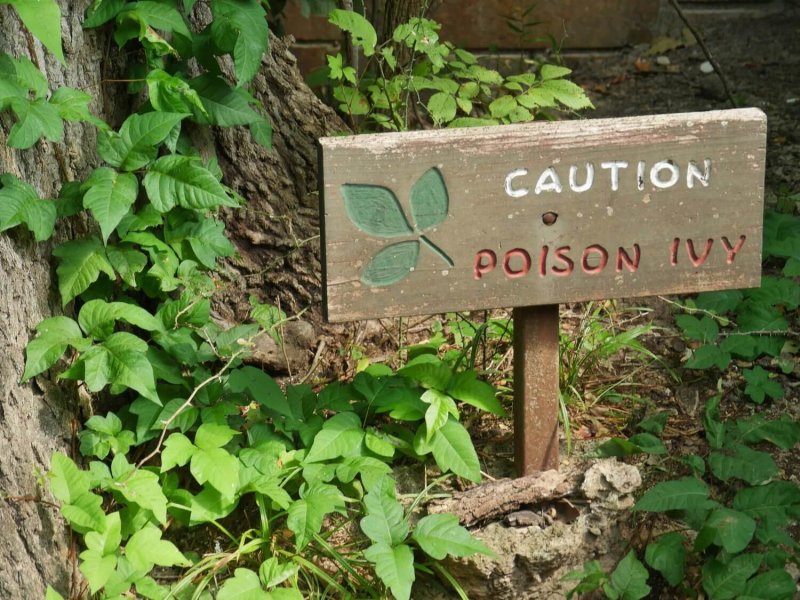

According to some older studies, poison ivy and its cousins poison oak and poison sumac cause 10 percent of lost-time injuries among U.S. Forest Service workers and lead one third of them in California, Oregon and Washington to miss work during fire seasons.
To make matters worse, the climate crisis is turning poison ivy more toxic and expanding its range. A six-year study conducted at Duke University in the early 2000s found that elevated levels of carbon dioxide, a driver of climate change, induce the plant to produce a more allergenic form of urushiol, the oily resin responsible for the rash.
Human research is proceeding with a compound called PDC-APB, which would be injected as a vaccine once every year or two to prevent poison ivy misery.
Developed at the University of Mississippi, it is a synthetic version of urushiol’s active component. “We believe the shot will lead to desensitization and reduce or eliminate reactions to poison ivy, oak and sumac,” says Ray Hage, CEO of Hapten Sciences, which has licensed the compound.
It works well in guinea pigs (I’ve seen photos), passed initial safety testing in humans and is about to be evaluated in a small randomized controlled trial.