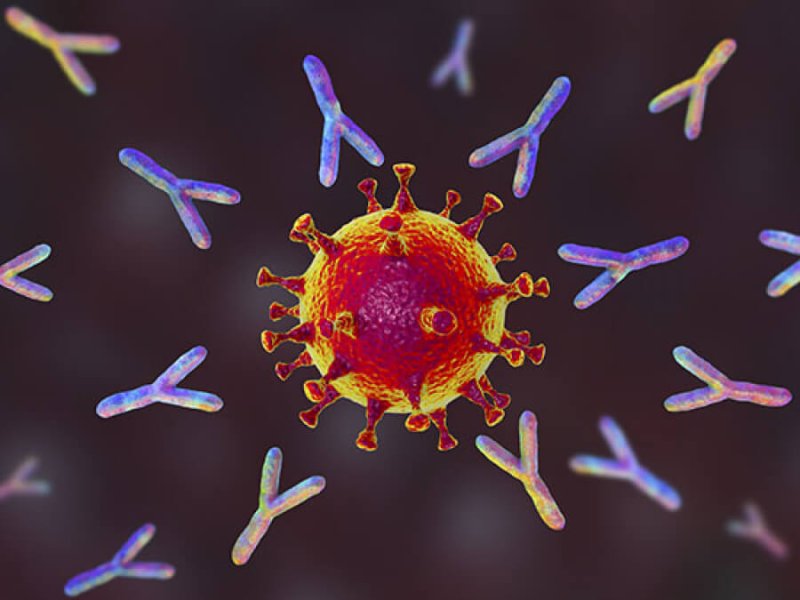
Is ‘natural immunity’ superior to vaccine-induced protection?

Credit: University of Alabama at Birmingham

What began as a viral TikTok hashtag has infected every social media platform: Many of the proudly unvaccinated now identify themselves as #Pureblood.

Troubled observers have variously tied this term to the Harry Potter franchise (in which purebloods are Wizards untainted by muggle ancestry) and the eugenic Nazi fantasies of pure Aryan blood. But both comparisons miss the mark. The meaning of the hashtag is inseparable from vaccine refusers’ strong preference for “natural immunity,” a seemingly innocuous term that is actually a centerpiece of anti-vaccination ideology and ought to be abandoned immediately.

Although scientific authorities widely use “natural immunity” as a neutral description of immunity acquired through infection, it has different significance outside of medical journals. That’s because people often treat naturalness as synonymous with purity and goodness, even holiness.

Follow the latest news and policy debates on sustainable agriculture, biomedicine, and other ‘disruptive’ innovations. Subscribe to our newsletter.

Contrary to the narrative being pushed, for COVID-19 “natural immunity” is not superior to vaccine-induced immunity, which is less variable and more reliable. Even if it were, yet again, I must emphasize that vaccine-induced immunity has a key advantage over post-infection immunity. It doesn’t require you to suffer through the illness and face the risks of severe disease and death from the disease to acquire it.


This is an excerpt. Read the original post here. 

{{ reviewsTotal }}{{ options.labels.singularReviewCountLabel }}
{{ reviewsTotal }}{{ options.labels.pluralReviewCountLabel }}
{{ options.labels.newReviewButton }}
{{ userData.canReview.message }}

Related Articles

Infographic: Global regulatory and health research agencies on whether glyphosate causes cancer

Infographic: Global regulatory and health research agencies on whether glyphosate causes cancer

Does glyphosate—the world's most heavily-used herbicide—pose serious harm to humans? Is it carcinogenic? Those issues are of both legal and ...

Most Popular

Picture1
The FDA couldn’t find a vaccine safety crisis, so it buried its own research
Screenshot-2026-04-22-at-12.21.32-PM
Viewpoint: Why the retracted Monsanto glyphosate study doesn’t change the science—the world’s most popular herbicide is safe 
ChatGPT-Image-May-7-2026-12_32_36-PM
Viewpoint: The state of U.S. vaccine policy? Dismal nationally, but some states are stepping up.
placebo
Viewpoint — Alternative medicine and the placebo effect: Selling a reassuring illusion of health
_20250221_nib_rfk_trump
Viewpoint: 'Crisis of public trust': Autism support community shocked RFK continues to peddle false claims about the danger of vaccines
ChatGPT-Image-May-18-2026-01_45_05-PM-2
Newest hantavirus conspiracy: Online disinformation turns outbreak into latest ivermectin grift
ChatGPT-Image-May-18-2026-12_06_18-PM-2
Defying death: The immortality movement goes mainstream
Screenshot-2026-04-13-at-1.39.26-PM
Viewpoint: ‘Safer for children?’ Stonyfield yogurt under fire for deceptive organic marketing
Screenshot-2026-04-22-at-10.46.29-AM
Viewpoint: How to counter science disinformation? Science journalist offers 12 practical tips
Defense_Secretary_Ash_Carter_tours_the_Microsoft_Cybercrime_Center_in_Seattle_March_3_2016
How criminals are using AI to target social media users and steal their money and confidential data
glp menu logo outlined

Get news on human & agricultural genetics and biotechnology delivered to your inbox.