There could be a genetic link between your mental health and where you choose to live

Credit: The Borgen Project

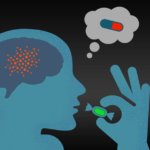
In a study published in October in the journal JAMA Psychiatry, researchers find one’s genetic risk for mental health conditions can influence where a person chooses to live. This isn’t to say that environment doesn’t play a role in the development of mental health conditions. Instead, the study team calls for more integrated approaches when it comes to exploring, and addressing, what causes these conditions.

Follow the latest news and policy debates on sustainable agriculture, biomedicine, and other ‘disruptive’ innovations. Subscribe to our newsletter.

The team calculated the polygenetic risk score for each participant for various mental health conditions. A polygenetic risk score is a measurement of disease risk based on a person’s genes — it’s an estimation and most people have some level of genetic risk for mental health conditions.

The scores were compared to data associated to:

  • Where the study participants live
  • Where they’ve moved
  • The population density of these places, based on UK census data

Overall, the study team writes, these “findings suggest a high genetic risk for a variety of psychiatric disorders may affect an individual’s choice of residence.”

“Where an individual lives is obviously a highly complex matter, influenced both by things within their control and things outside of their control,” [study co-author Jonathan] Coleman says.


This is an excerpt. Read the original post here.

{{ reviewsTotal }}{{ options.labels.singularReviewCountLabel }}
{{ reviewsTotal }}{{ options.labels.pluralReviewCountLabel }}
{{ options.labels.newReviewButton }}
{{ userData.canReview.message }}

Related Articles

Infographic: Global regulatory and health research agencies on whether glyphosate causes cancer

Infographic: Global regulatory and health research agencies on whether glyphosate causes cancer

Does glyphosate—the world's most heavily-used herbicide—pose serious harm to humans? Is it carcinogenic? Those issues are of both legal and ...

Most Popular

Picture1
The FDA couldn’t find a vaccine safety crisis, so it buried its own research
Screenshot-2026-04-22-at-12.21.32-PM
Viewpoint: Why the retracted Monsanto glyphosate study doesn’t change the science—the world’s most popular herbicide is safe 
ChatGPT-Image-May-7-2026-12_32_36-PM
Viewpoint: The state of U.S. vaccine policy? Dismal nationally, but some states are stepping up.
Screenshot-2026-04-22-at-10.46.29-AM
Viewpoint: How to counter science disinformation? Science journalist offers 12 practical tips
Screenshot-2026-04-13-at-1.39.26-PM
Viewpoint: ‘Safer for children?’ Stonyfield yogurt under fire for deceptive organic marketing
placebo
Viewpoint — Alternative medicine and the placebo effect: Selling a reassuring illusion of health
ChatGPT-Image-May-7-2026-12_16_37-PM-2
Viewpoint: Are cancer rates ‘skyrocketing’ as RFK, Jr. and MAHA claim? The evidence says mostly the opposite
Defense_Secretary_Ash_Carter_tours_the_Microsoft_Cybercrime_Center_in_Seattle_March_3_2016
How criminals are using AI to target social media users and steal their money and confidential data
the magic of mRNA
Viewpoint: Anti-vax fake ‘turbo cancer’ claims threaten cancer treatment breakthroughs
ChatGPT-Image-May-18-2026-01_45_05-PM-2
Newest hantavirus conspiracy: Online disinformation turns outbreak into latest ivermectin grift
artificial intelligence brain think illustration md
Viewpoint — Digital gods and human extinction: Will we be the first species ever to design our own descendants?
_20250221_nib_rfk_trump
Viewpoint: 'Crisis of public trust': Autism support community shocked RFK continues to peddle false claims about the danger of vaccines
glp menu logo outlined

Get news on human & agricultural genetics and biotechnology delivered to your inbox.