Viewpoint: Why aren’t Canada and the United States growing sustainable, genetically modified wheat?

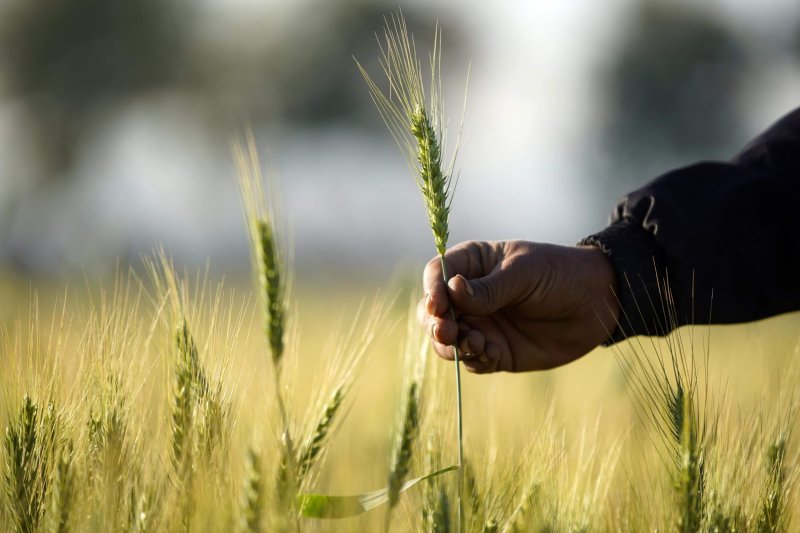
Credit: Himanshu Sharma/NurPhoto/Getty Images)

Itโ€™s safe. It would help farmers deal with drought, support biodiversity, protect the environment and decrease a farms carbon footprint. It would help consumers cope with inflation and pay their food bills.

So why arenโ€™t we growing genetically modified wheat?

Weโ€™re asking this question again because of theย newsย from South America late last year that Brazil will accept the importation of genetically modified wheat flour from Argentina.

This is an enormous step, marking the first time anywhere in the world that a regulatory agency has approved such a move. Bloombergย calledย it โ€œthe most critical milestone for genetically modified wheat to date.โ€

Follow the latest news and policy debates on sustainable agriculture, biomedicine, and other ‘disruptive’ innovations. Subscribe to our newsletter.

Itโ€™s easy to reject something you do not understand. Sadly, we may have only ourselves to blame: We failed to communicate the big advantages of this crop to consumers.

As people learn more about these safe technologies and come to understand that these same technologies help farmers meet the sustainability goals many consumers are asking for and we share, their support for these โ€˜tools of sustainabilityโ€™ may change. This is the story of genetically modified crop acceptance, and thereโ€™s no reason it shouldnโ€™t come to include the acceptance of genetically modified wheat.

This is an excerpt. Read the original post here.

{{ reviewsTotal }}{{ options.labels.singularReviewCountLabel }}
{{ reviewsTotal }}{{ options.labels.pluralReviewCountLabel }}
{{ options.labels.newReviewButton }}
{{ userData.canReview.message }}

Related Articles

Infographic: Global regulatory and health research agencies on whether glyphosate causes cancer

Infographic: Global regulatory and health research agencies on whether glyphosate causes cancer

Does glyphosateโ€”the world's most heavily-used herbicideโ€”pose serious harm to humans? Is it carcinogenic? Those issues are of both legal and ...

Most Popular

Screenshot-2026-05-01-at-1.29.41-PM
Viewpoint: What happens when whole grains meet modern food manufacturing? Labels donโ€™t tell the whole story.
S
As vaccine rejectionism spreads, measles may be taking a more dangerous turn
Screenshot 2026-05-06 at 2.56
Singularity crisis ahead? Can super babies save us from rogue AI geniuses?
Screenshot-2026-05-06-at-2.07.43-PM
Manufacturing a conspiracy: The timeline of howย  the White House embraced the fringe claim that scientists are being mysteriously murdered
Screenshot-2026-04-20-at-2.26.27-PM
Viewpoint โ€” Food-fear world: The latest activist scientists campaign: Cancer-causing additives
Screenshot-2026-04-30-at-2.19.37-PM
5 myths about summer dehydration that could damage your health โ€” or even kill you
Screenshot-2026-03-13-at-12.14.04-PM
The FDA wants to make many popular prescription drugs OTCโ€”a great idea. Hereโ€™s why itโ€™s unlikely to happen
ChatGPT-Image-May-6-2026-03_41_05-PM
โ€˜Protecting the integrity of scienceโ€™: Kennedyโ€™s FDA blocks release of taxpayer-funded studies finding COVID and shingles vaccines safe
Screenshot 2026-05-06 at 12.49
Immortal dragons: The quest to โ€˜make death optionalโ€™
Screenshot-2026-05-01-at-11.56.24-AM
โ€˜Science moves forward when people are willing to think differentlyโ€™: Memories of DNA maverick Craig Venter
glp menu logo outlined

Get news on human & agricultural genetics and biotechnology delivered to your inbox.