Cure for cancer? Two patients leukemia free a decade after breakthrough gene therapy

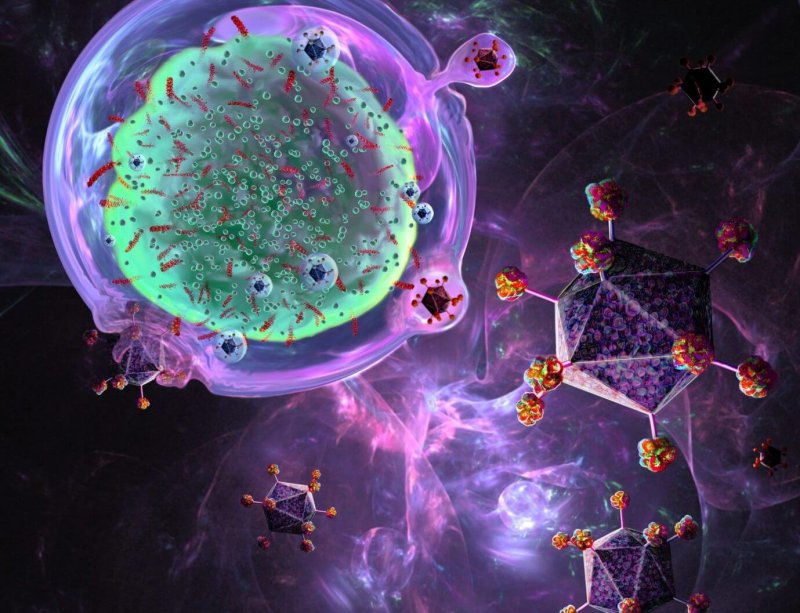
Illustration of CAR (chimeric antigen receptor) T cell immunotherapy. Credit: Keith Chambers/Science Photo Library

Penn researchers in 2010 treated their first chronic lymphocytic leukemia patients with CAR-T therapy, which uses the body’s own immune system to fight cancer. In a paper published [February 2] in the journal Nature, researchers report that their first two patients were still cancer-free 10 years after their treatment. What’s more, the cells were still present, protecting against future lymphoma invaders.

Follow the latest news and policy debates on sustainable agriculture, biomedicine, and other ‘disruptive’ innovations. Subscribe to our newsletter.

The therapy’s effectiveness and longevity are “beyond our wildest expectations,” one of the doctors told reporters Tuesday.

“Doctors don’t use words like cure lightly or, frankly, very often,” said David L. Porter, the director of Cell Therapy and Transplantation at Penn. “When we started this, I don’t think we were expecting this would develop into such a powerful curative therapy.”

Chimeric Antigen Receptor (CAR) T therapy genetically modifies the body’s T-cells — the white blood cells that play a lead role in the body’s immune response to foreign particles — to attack cancer.

Researchers said they hope their findings about the effectiveness of CAR-T treatment among leukemia patients will spur more research into how the therapy can be used to treat other types of cancer.


This is an excerpt. Read the original post here. 

{{ reviewsTotal }}{{ options.labels.singularReviewCountLabel }}
{{ reviewsTotal }}{{ options.labels.pluralReviewCountLabel }}
{{ options.labels.newReviewButton }}
{{ userData.canReview.message }}

Related Articles

Infographic: Global regulatory and health research agencies on whether glyphosate causes cancer

Infographic: Global regulatory and health research agencies on whether glyphosate causes cancer

Does glyphosate—the world's most heavily-used herbicide—pose serious harm to humans? Is it carcinogenic? Those issues are of both legal and ...

Most Popular

Screenshot-2026-04-22-at-12.21.32-PM
Viewpoint: Why the retracted Monsanto glyphosate study doesn’t change the science—the world’s most popular herbicide is safe 
Picture1
The FDA couldn’t find a vaccine safety crisis, so it buried its own research
ChatGPT-Image-May-1-2026-11_42_59-AM-2
Viewpoint: NAD is the wellness grifters latest evidence-lite longevity fad. At least the mice are impressed.
ChatGPT-Image-Apr-16-2026-02_56_53-PM
Financial incentives, over diagnosis, and weak oversight: Autism claims are driving up Medicare costs
global warming
‘Implausible’: Top climate scientists reject worst-case scenario—soaring temperatures and fast-rising sea levels
ChatGPT-Image-May-12-2026-11_27_01-AM-2
AI likely to improve health care, research shows—but not for blacks and ethnic minorities
ChatGPT-Image-May-7-2026-01_23_27-PM-2
Viewpoint: Will AI democratize personalized cancer treatment or fuel medical misinformation?

Sorry. No data so far.

glp menu logo outlined

Get news on human & agricultural genetics and biotechnology delivered to your inbox.