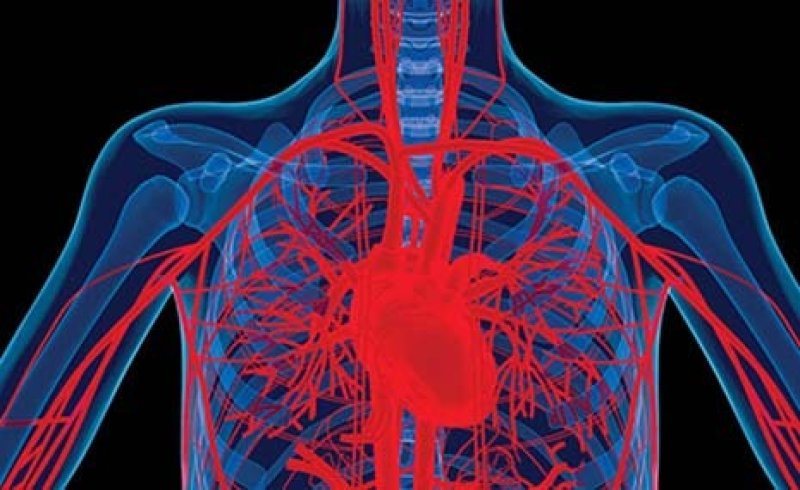
Can you worry yourself to death? Anxiety increases risk of heart disease in men

Credit: FDA
Credit: FDA

Anxiety is linked to several cardiometabolic conditions, including coronaryย heart disease,ย stroke,ย diabetes, andย hypertension. The reasons behind these links and how they develop, however, remain unclear.

Someย studiesย have shown that people who are anxious develop increased cardiometabolic risk factors, such as a steeper rise in body mass index (BMI), as they age.

Otherย researchย suggests that deterioration in cardiometabolic health occurs relatively early in the life of anxious individuals and that this lasts into older age.

Establishing how exactly this link works is difficult, as few cohort studies have recorded longitudinal data on anxiety alongside a broad range of cardiometabolic outcomes.

Follow the latest news and policy debates on sustainable agriculture, biomedicine, and other ‘disruptive’ innovations. Subscribe to our newsletter.

In a recent study, researchers at the Boston University School of Medicine led a team of scientists investigating the link between cardiometabolic outcomes and indicators of anxiety.

โ€œOur findings indicate [that] higher levels of anxiousness or worry among men are linked to biological processes that may give rise to heart disease and metabolic conditions, and these associations may be present much earlier in life than is commonly appreciated โ€” potentially during childhood or young adulthood,โ€ saidย Lewina Lee, Ph.D., lead author of the study and assistant professor of psychiatry at Boston University School of Medicine.


This is an excerpt. Read the original post here.

{{ reviewsTotal }}{{ options.labels.singularReviewCountLabel }}
{{ reviewsTotal }}{{ options.labels.pluralReviewCountLabel }}
{{ options.labels.newReviewButton }}
{{ userData.canReview.message }}

Related Articles

Infographic: Global regulatory and health research agencies on whether glyphosate causes cancer

Infographic: Global regulatory and health research agencies on whether glyphosate causes cancer

Does glyphosateโ€”the world's most heavily-used herbicideโ€”pose serious harm to humans? Is it carcinogenic? Those issues are of both legal and ...

Most Popular

Screenshot-2026-04-13-at-1.39.26-PM
Viewpoint: โ€˜Safer for children?โ€™ Stonyfield yogurt under fire for deceptive organic marketing
Screenshot-2026-04-22-at-10.46.29-AM
Viewpoint: How to counter science disinformation? Science journalist offers 12 practical tips
ChatGPT-Image-May-7-2026-12_16_37-PM-2
Viewpoint: Are cancer rates โ€˜skyrocketingโ€™ as RFK, Jr. and MAHA claim? The evidence says mostly the opposite
Picture1-14
When superbugs threaten vulnerable children: Can AI help solve antibiotic resistance?
ChatGPT-Image-May-12-2026-08_39_41-PM
GLP podcast: Big Pharma, Big Ag, Big Foodโ€”health harming industries or life-saving innovators?
Screenshot-2026-04-23-at-11.00.36-AM
Regulators' dilemma: Thalidomide, Metformin, and the cost of getting drug approvals wrong
Picture1-1
Cooling the planet with balloons: Could a geoengineering gamble slow global warming?
png-pill-omega-Supp-fish-oil
Millions take omega-3 fish oil for brain health. New research suggests it may do the opposite.
glp menu logo outlined

Get news on human & agricultural genetics and biotechnology delivered to your inbox.