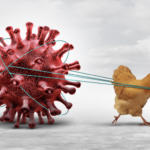
How culture and technology are shaping human evolution

Credit: Forbes
Credit: Forbes

Cultural changes are likely affecting modern human evolution in ways we don’t yet understand. For example, research has shown that women rely on scent when choosing mates. But these days, we use all sorts of products to mask our scents.

In addition, hormonal birth control can change the way women react to the scent of potential mates. One study found that hormonal birth control caused women to be more attracted to men who were genetically similar to them, while women not on hormonal birth control were more likely to be attracted to men who were genetically different.  

Follow the latest news and policy debates on sustainable agriculture, biomedicine, and other ‘disruptive’ innovations. Subscribe to our newsletter.

There is no way of knowing the long-term effects of modern cultural practices and technologies on human evolution. But scientists can make some educated guesses.


For example, it’s possible, says [evolutionary biologist Scott] Solomon, that the increasing use of in vitro fertilization could lead to more infertility. When infertility has a genetic cause, in vitro fertilization preserves in the population a gene that without the technology would have been weeded out by natural selection.  

Modern technology may also be helping us evolve different bodies. Caesarian sections make the healthy birth of babies too large to make it through the birth canal possible. Increased use of these procedures could possibly lead to an increase in the average size of humans. A 2016 study models how that might already be happening in some populations.  

This is an excerpt. Read the original post here.  

{{ reviewsTotal }}{{ options.labels.singularReviewCountLabel }}
{{ reviewsTotal }}{{ options.labels.pluralReviewCountLabel }}
{{ options.labels.newReviewButton }}
{{ userData.canReview.message }}

Related Articles

Infographic: Global regulatory and health research agencies on whether glyphosate causes cancer

Infographic: Global regulatory and health research agencies on whether glyphosate causes cancer

Does glyphosate—the world's most heavily-used herbicide—pose serious harm to humans? Is it carcinogenic? Those issues are of both legal and ...

Most Popular

ChatGPT-Image-Mar-10-2026-01_39_01-PM
Viewpoint—“Miracle molecule” debunked: Why acemannan supplements don’t work
ChatGPT-Image-Jun-25-2026-12_23_17-PM
No, Bill Gates did not secretly engineer ticks to promote veganism
ChatGPT-Image-Jul-7-2026-12_01_35-PM
Viewpoint: 21 worthless wellness trends inspired by RFK, Jr.’s ill-informed MAHA followers that can harm or even kill you.
Screenshot-2026-07-06-at-12.30.23-PM
2,300 endangered species: Controversial de-extinction company Colossal Biosciences joins U.S. effort to preserve their DNA
Screenshot 2026-07-08 at 10.13
What happens when a pro-life congresswoman needs an abortion?
ChatGPT-Image-Jul-1-2026-03_33_49-PM
‘Alternative’ cancer treatments that could kill you
ChatGPT-Image-Jul-9-2026-10_36_24-AM
Deeply-flawed ivermectin study revives scientifically unsupported miracle cancer drug myth
Screenshot 2025-10-15 at 1.00
What you probably don’t know: For most fast-food fans, bioengineering isn’t a choice — it’s the norm

Sorry. No data so far.

glp menu logo outlined

Get news on human & agricultural genetics and biotechnology delivered to your inbox.