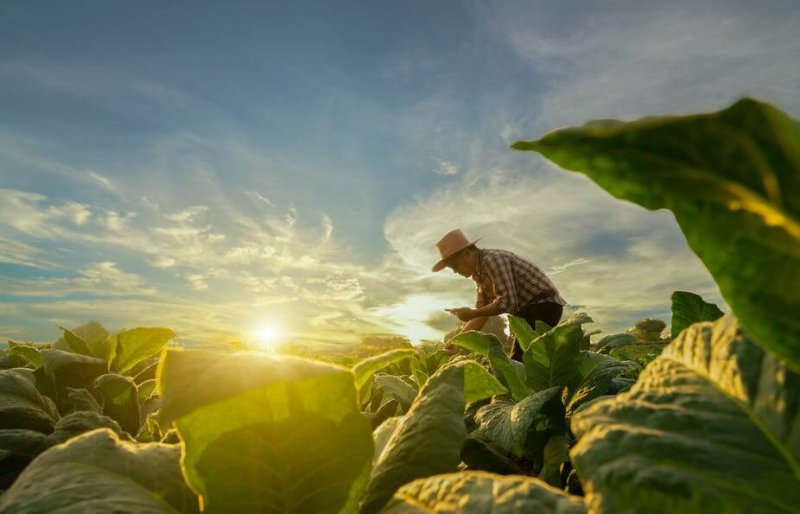
Producing food for a population of nearly eight billion takes an enormous toll on the world’s fresh water supply. And because hundreds of millions around the world still face water vulnerability, nations feel forced to secure more of it from rainforests, wetlands, grasslands, and marshlands.
The promise of gene-edited crops is not just prettier or hardier produce, but reduced waste and, crucially, reduced land and water use: in other words, a smaller environmental footprint for agriculture the world over. It recognizes that in the 21st century, environmental sustainability is part of any serious discussions about improving agricultural productivity and efficiency.Productivity and efficiency improvements will, ultimately, act in the service of the world’s biodiversity. The myriad of species of flora and fauna — especially in dense ecosystems like the Amazon rainforest — positively contributes to the global society’s quality of life. Everyone knows the balance of species, from great trees to microorganisms, provides ecological ballast to the whole planet.
…

Gene editing aligns and mutually reinforces the incentives of the earth and her inhabitants — more and better food, more and cleaner water, all the while safeguarding biodiversity. It is science at its best, a fellowship with nature, biodiversity, and agriculture.