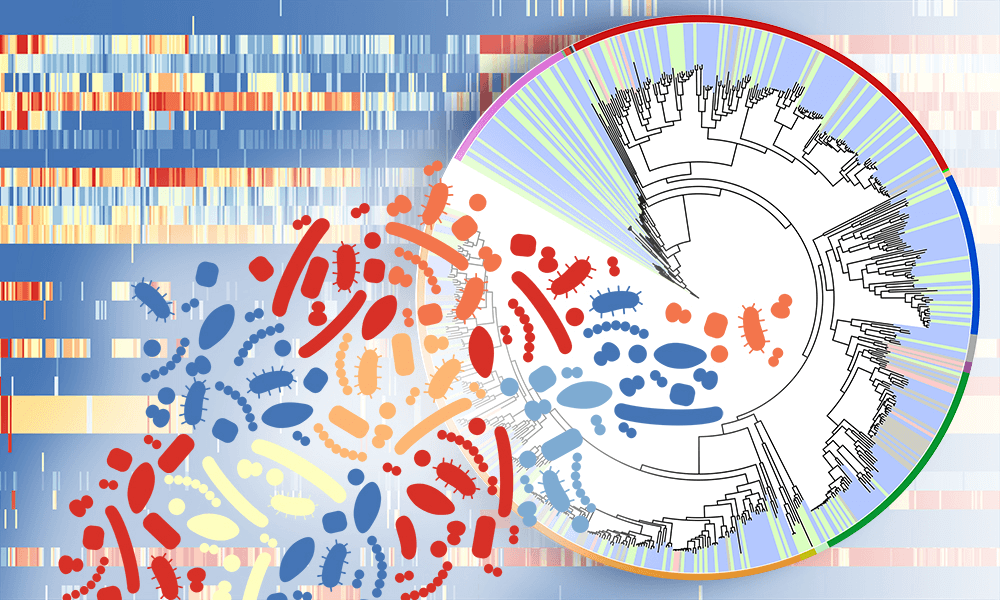
Gene drives in development could alter mosquito DNA to prevent the spread of disease. That raises ethical concerns

Credit: Rick Bowmer via AP

Gene drive research carries great potential for controlling insect vectors of devastating diseases, but there are multiple unresolved ethical concerns. Unanticipated โ€œdownstreamโ€ effects on ecosystems, or in organisms that carry the gene drive machinery, are possible.

To help researchers balance risks and benefits for society and humanity, scientists involved in the Controlling and Countering Gene Editing in Mosquitoes research project developed a code of ethics for gene drive research.

Follow the latest news and policy debates on sustainable agriculture, biomedicine, and other ‘disruptive’ innovations. Subscribe to our newsletter.

Unlike clinical research, no one individual can consent for the release of gene drive-modified organisms. This requires consultation with the community. โ€œThe general public has not really been focused on this research yet,โ€ [lead author George J.] Annas notes.

Scientists must engage the public on decisions as to if, when, and where the genetically modified mosquitoes should be released, how it will be monitored, and whether a mechanism is needed to reverse the experiment in case something unanticipated happens.

Overall, gene drive researchers aim to broadcast a consistent message, tell the truth from the beginning, and be transparent. Regardless, due to the nature of the research, wild rumors and even conspiracy theories are bound to erupt.


This is an excerpt. Read the original post here.

{{ reviewsTotal }}{{ options.labels.singularReviewCountLabel }}
{{ reviewsTotal }}{{ options.labels.pluralReviewCountLabel }}
{{ options.labels.newReviewButton }}
{{ userData.canReview.message }}

Related Articles

Infographic: Global regulatory and health research agencies on whether glyphosate causes cancer

Infographic: Global regulatory and health research agencies on whether glyphosate causes cancer

Does glyphosateโ€”the world's most heavily-used herbicideโ€”pose serious harm to humans? Is it carcinogenic? Those issues are of both legal and ...

Most Popular

Screenshot-2026-04-22-at-12.21.32-PM
Viewpoint: Why the retracted Monsanto glyphosate study doesnโ€™t change the scienceโ€”the worldโ€™s most popular herbicide is safeย 
Picture1
The FDA couldnโ€™t find a vaccine safety crisis, so it buried its own research
ChatGPT-Image-May-1-2026-11_42_59-AM-2
Viewpoint: NAD is the wellness grifters latest evidence-lite longevity fad. At least the mice are impressed.
ChatGPT-Image-Apr-16-2026-02_56_53-PM
Financial incentives, over diagnosis, and weak oversight: Autism claims are driving up Medicare costs
ChatGPT-Image-May-12-2026-11_27_01-AM-2
AI likely to improve health care, research showsโ€”but not for blacks and ethnic minorities
ChatGPT-Image-May-7-2026-01_23_27-PM-2
Viewpoint: Will AI democratize personalized cancer treatment or fuel medical misinformation?

Sorry. No data so far.

glp menu logo outlined

Get news on human & agricultural genetics and biotechnology delivered to your inbox.