Ivermectin doesn’t work: Yet another study shows no efficacy in reducing COVID disease progression

Credit: KATV
Credit: KATV

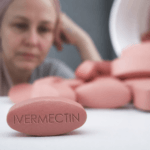
Ivermectin failed to prevent older adults with COVID-19 from progressing to severe disease compared with standard of care alone, an open-label randomized trial in Malaysia found.

Among 490 patients, 21.6% of those given ivermectin plus standard of care progressed to severe disease versus 17.3% of those who received standard of care alone, reported Steven Chee Loon Lim, MRCP, of Raja Permaisuri Bainun Hospital in Malaysia, and colleagues in JAMA Internal Medicine.

There were also no significant differences between groups in terms of onset of deterioration (3.2 days in the intervention group vs 2.9 in controls), or any other secondary outcomes.

Follow the latest news and policy debates on sustainable agriculture, biomedicine, and other ‘disruptive’ innovations. Subscribe to our newsletter.

Lim’s group noted that while prior trials found no benefit with ivermectin for COVID, it is still “widely prescribed,” despite guidance from the World Health Organization to restrict use of the drug to clinical trials.

Study limitations included its open-label design, the fact that the study was not powered to assess the effect of ivermectin on COVID mortality, and that the findings may not be generalizable to all populations, as the study participants were older adults.

The authors were unequivocal in their conclusions: “The study findings do not support the use of ivermectin for patients with COVID-19,” they wrote.


This is an excerpt. Read the original post here. 

{{ reviewsTotal }}{{ options.labels.singularReviewCountLabel }}
{{ reviewsTotal }}{{ options.labels.pluralReviewCountLabel }}
{{ options.labels.noReviewsLabel }}
{{ options.labels.newReviewButton }}
{{ userData.canReview.message }}

Related Articles

Infographic: Global regulatory and health research agencies on whether glyphosate causes cancer

Infographic: Global regulatory and health research agencies on whether glyphosate causes cancer

Does glyphosate—the world's most heavily-used herbicide—pose serious harm to humans? Is it carcinogenic? Those issues are of both legal and ...

Most Popular

Screenshot-2026-07-09-at-1.09.25-PM
Anti-vaccine myths rattle health care
ChatGPT-Image-Mar-10-2026-01_39_01-PM
Viewpoint—“Miracle molecule” debunked: Why acemannan supplements don’t work
ChatGPT-Image-Jul-10-2026-12_21_03-PM
Viewpoint: Is there new evidence that the animal deworming drug ivermectin decreases the risk of Covid and cancer? Don’t waste your money.
Picture1
Hiroshima at 81: America’s new nuclear bomb, a buried Iranian target, and a question no one wants to ask
ChatGPT-Image-Jun-25-2026-12_23_17-PM
No, Bill Gates did not secretly engineer ticks to promote veganism
leeteam
How Kennedy and his family could pocket millions from Merck’s $50 million vaccine injury settlement that he oversaw
Screenshot-2026-07-30-at-2.30.35-PM
Climate scientists claim conservative activists are promoting ‘lies’ that Europe’s summer heatwaves are far from unusual
Screenshot-2026-07-30-at-3.07.42-PM
Controversy over WNBA star Sophie Cunningham’s comment opposing trans females in women’s sports reinvigorates the culture wars

Sorry. No data so far.

glp menu logo outlined

Get news on human & agricultural genetics and biotechnology delivered to your inbox.