The International Program on Chemical Safety (IPCS) Mode of Action Human Relevance Framework was developed in 2001 and has undergone many iterations. The Key Characteristics of Carcinogens (KCC) was developed in 2012 and is used by the International Agency for Research on Cancer (IARC) in its evaluations.
The Key Characteristics of Carcinogens (KCC)
IARC held two workshops in 2012 in which scientific experts examined the evidence by which chemicals had been classified as carcinogenic to humans (Group 1). The experts concluded that, at the cellular level, these chemicals typically exhibit one or more of the ten key characteristics of carcinogens (KCCs):
- Readily binds to substances within cells
- Damages DNA (genotoxic)
- Causes damage to proteins involved in repairing DNA after it is damaged
- Changes substances within cells that do not cause alterations in the DNA sequence but alter their expression (epigenetics)
- Increase oxidative stress, forming free radicals in cells
- Create an inflammatory response by the immune system that is prolonged
- Causes suppression of the body’s immune system
- Binds to receptors in cells that damage the cell’s function
- It causes cells to replicate indefinitely
- It causes cells to die by different processes.
The KCCs are measured using quick, inexpensive tests many developed in the 1970s and 1980s. For example, the Ames Test uses bacteria to test whether a chemical is genotoxic, causing mutations in DNA. Other tests involve bacteria, mammalian and nonmammalian cells, including nematodes, zebrafish, and insects – all provide a yes-no answer for each of the ten characteristics.
How IARC uses KCCs
IARC classifies chemicals into the following five groups based on human (epidemiology) studies and studies in laboratory animals:
- Carcinogenic to Humans (Group 1) – sufficient evidence of carcinogenicity to humans
- Probably Carcinogenic to Humans (Group 2A) – limited evidence of carcinogenicity in humans and sufficient evidence of carcinogenicity in experimental animals
- Possibly Carcinogenic to Humans (Group 2B) – limited evidence of carcinogenicity in humans and less than sufficient evidence of carcinogenicity in experimental animals OR inadequate evidence of carcinogenicity in humans but sufficient evidence in experimental animals
- Not Classifiable as to its Carcinogenicity to Humans (Group 3) – inadequate evidence of carcinogenicity in humans and inadequate or limited evidence in experimental animals
- Probably Not Carcinogenic to Humans (Group 4) – evidence suggesting lack of carcinogenicity in humans and experimental animals
IARC uses the non-traditional data of the KCCs to upgrade or downgrade the cancer classification, assigning a descriptor of “strong,” “moderate,” or “weak” to the evidence.
Glyphosate
I have written previously about IARC’s faulty classification of glyphosate as “probably carcinogenic to humans” here and here. Their classification was based on animal studies that showed “positive trends” in tumor formation. IARC ranked two KCCs: DNA damage (genotoxic effect) and oxidative stress, the formation of free radicals as “strong evidence .” The evidence for the other KCCs was weak or insufficient [1]. This evidence was enough to upgrade the cancer classification to “probably carcinogenic to humans.”
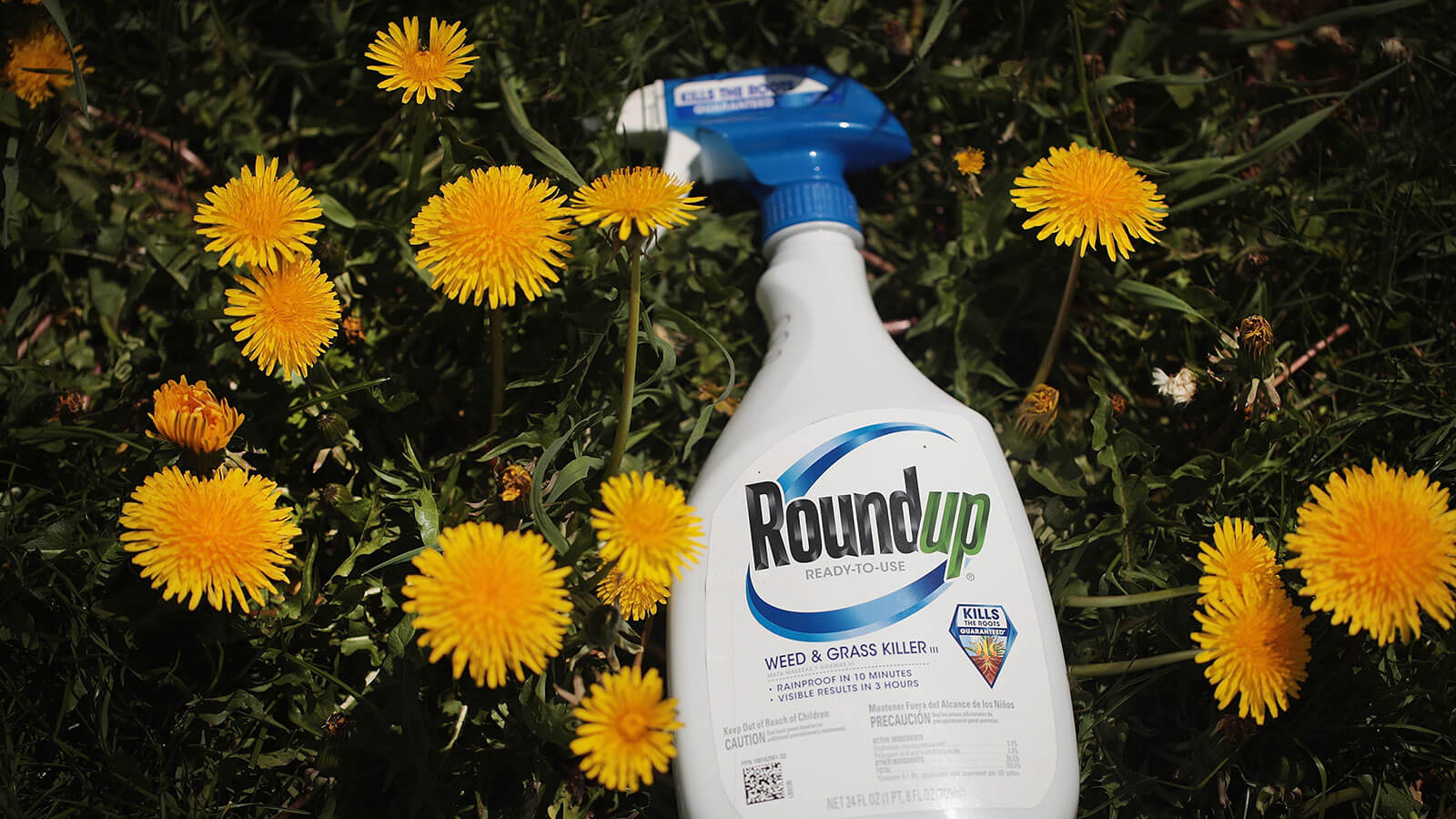
The evidence for genotoxicity was mixed, with both positive and negative studies. There were positive studies for inducing oxidative stress; however, this KCC is not specific to cancer-causing agents. Oxidative stress is a common cellular response to a wide variety of chemicals, including those that don’t cause cancer. It is not surprising that there often is strong evidence for this KCC, as almost all chemicals elicit this response when tested at high doses.
This example shows how KCCs can upgrade the cancer classification of a chemical with very weak evidence from human or animal data.
Shortcomings to KCCs
When IARC developed the KCCs, they neglected to include a control group, i.e., the chemicals that were not carcinogenic to humans. Suppose they had examined the characteristics of both carcinogenic and non-carcinogenic chemicals. In that case, they could have determined which factors were specific to the carcinogenic chemicals to serve as a reasonable basis for characterizing carcinogens. There is no way to know whether the characteristics are truly unique to carcinogens by only including carcinogenic chemicals. A study examining the KCC approach found that the ability to predict cancer hazard for each key characteristic or combination was no better than chance alone – i.e., their predictive power was the same as flipping a coin to decide the outcome.
IARC’s use of the KCCs is further hampered by inadequate measures of exposure and target organs. The studies often uses doses multiple times above those people experience and as single exposures, so no cumulative effect can be identified. The studies often involve species, e.g., bacteria and fish, that are not directly relevant to human health, and the organ at risk for tumor development is not identified.
International Program on Chemical Safety (IPCS) – A better approach
The IPCS Mode of Action Human Relevance Framework was developed in 2001 by a large interdisciplinary group of scientists from the EPA, the European Chemicals Agency, the World Health Organization, and universities in the U.S., Canada, the U.K., and Europe. The framework evaluates whether there are sufficient data to establish a triggering event that needs to occur, at the cellular or molecular level, for a chemical to cause cancer.
These triggering events can be based on both animal and non-traditional data and consider several factors:

- The strength of association – are there multiple studies showing the same effect?
- The consistency of association – are there studies in different species, strains, and organs?
- The specificity of association – are there studies over a range of durations and dose levels?
- Dose-response concordance – do studies show that higher doses result in increased effects compared to lower doses?
- Temporal relationship – do events occur in a time sequence that makes sense?
- Biological plausibility – are the events consistent with what is known about cancer? development biologically and with modes of action of other chemicals?
The most plausible mode of action is selected and then evaluated to assess whether it could also occur in humans.
Sulfoxaflor
Sulfoxaflor is an insecticide with liver tumors resulting from high-dose administration in studies in rats and mice.

In a case study using the IPCS Mode of Action Human Relevance Framework, five alternative modes of action were evaluated, and one, Constitutive Androstane Receptor (CAR), a protein active in the detoxification of drugs and other substances, was selected that met all six of those criteria for a triggering event.
Based on studies in human cells and genetically modified mice, this triggering mode of action was found not to be relevant to humans because CAR activation in humans does not increase liver cell proliferation and subsequent tumor formation. Sulfoxaflor was not considered to be a human carcinogen.
Why it matters
The KCC approach is fundamentally flawed because the characteristics are not specific to carcinogens. It tends to increase the number of “false positives” because the characteristics are broad and non-specific. Other agencies and organizations beyond IARC are adopting the KCC approach. It is easy to see its appeal; it appears to present a simple and organized way to use non-traditional data to classify chemicals for carcinogenicity. However, a closer look shows a checklist approach that does not consider many important issues surrounding the development of cancer.
The result is that most chemicals will be upgraded to a higher cancer classification, usually “probably carcinogenic,” even in the absence of solid human or animal evidence, since there is almost always positive evidence for one or more of the KCCs.
The IPCS approach presents a much more scientifically sound alternative and should be adopted by all scientific agencies. Although time-consuming and not easy to carry out, this approach will bring us closer to the result that all of us should want – an accurate representation of the cancer risk of chemicals.
Notes:
[1]- Readily binds to substances within cells – No evidence
- Damages DNA (genotoxic) – Strong evidence
- Causes damage to proteins involved in repairing DNA after it is damaged – Insufficient evidence
- Changes substances within cells that do not cause alterations in the DNA sequence but alter their expression (epigenetics) –Insufficient evidence
- Increase oxidative stress, forming free radicals in cells – Strong evidence
- Create an inflammatory response by the immune system that is prolonged – Insufficient evidence
- Causes suppression of the body’s immune system – Weak evidence
- Binds to receptors in cells that damage the cell’s function –Weak evidence
- Causes cells to replicate indefinitely – Insufficient evidence
- Causes cells to die by different processes – Weak evidence
Sources
IARC use of oxidative stress as key mode of action characteristic for facilitating cancer classification: Glyphosate case example illustrating a lack of robustness in interpretative implementation Regulatory Toxicology and Pharmacology DOI: 10.1016/j.yrtph.2017.03.004
Improving the International Agency for Research on Cancer’s consideration of mechanistic evidence Toxicology and Applied Pharmacology DOI: 10.1016/j.taap.2017.01.020
Categorizing the characteristics of human carcinogens: a need for specificity Archives of Toxicology DOI; 10.1007/s00204-021-03109-w
Susan Goldhaber, M.P.H., is an environmental toxicologist with over 40 years’ experience working at Federal and State agencies and in the private sector, emphasizing issues concerning chemicals in drinking water, air, and hazardous waste. Her current focus is on translating scientific data into usable information for the public.
A version of this article was originally posted at the American Council on Science and Health and is reposted here with permission. The ACSH can be found on Twitter @ACSHorg