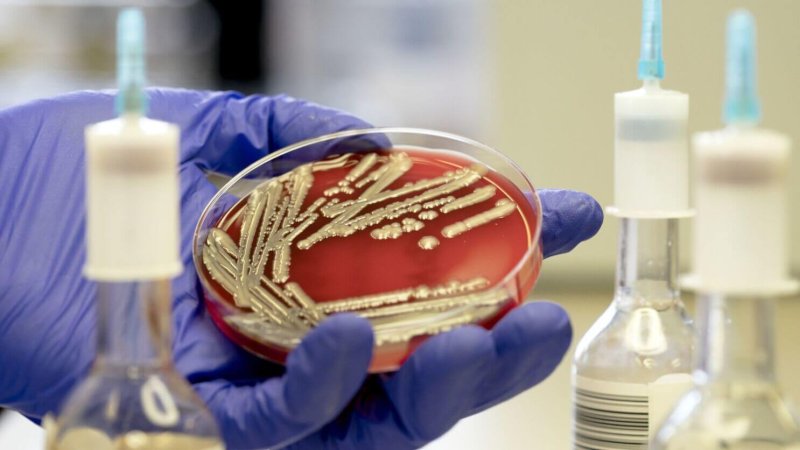
Threat from drug resistant ‘superbugs’ is growing

Credit: Getty Images

Drug-resistant infections pose a growing threat to public health. We’re not prepared to meet it.

That’s because the development pipeline of new antibiotics to fend off superbugs has fallen off. Superbugs are strains of bacteria and fungi that have developed immunity to the medicines used to kill them. Antimicrobials are critical tools in our fight against these pathogens.

The problem is that we’re not developing nearly enough of them and many of the medicines we currently have are no longer effective. It’s imperative that we act now — and fast — to bolster our deteriorating defenses against these often serious and life-threatening infections.

Follow the latest news and policy debates on sustainable agriculture, biomedicine, and other ‘disruptive’ innovations. Subscribe to our newsletter.

The problem is not the lack of success in developing new treatments. In the past decade, antibacterial drugs in clinical trials were more than twice as likely to move from early human testing to FDA approval versus drugs for all other diseases.

Instead, the problem is a fundamentally unique, misaligned market for antimicrobials that makes innovating unviable for developers. This has real impacts for physicians and patients.

Every time we use an antimicrobial, the target microbes have a chance to survive and become resistant. So, clinicians prescribe them only when needed. But this sound medical practice makes for poor economic incentives for private companies in a market system.


This is an excerpt. Read the original post here. 

{{ reviewsTotal }}{{ options.labels.singularReviewCountLabel }}
{{ reviewsTotal }}{{ options.labels.pluralReviewCountLabel }}
{{ options.labels.noReviewsLabel }}
{{ options.labels.newReviewButton }}
{{ userData.canReview.message }}

Related Articles

Infographic: Global regulatory and health research agencies on whether glyphosate causes cancer

Infographic: Global regulatory and health research agencies on whether glyphosate causes cancer

Does glyphosate—the world's most heavily-used herbicide—pose serious harm to humans? Is it carcinogenic? Those issues are of both legal and ...

Most Popular

ChatGPT-Image-Jul-10-2026-12_21_03-PM
Viewpoint: Is there new evidence that the animal deworming drug ivermectin decreases the risk of Covid and cancer? Don’t waste your money.
ChatGPT-Image-Mar-10-2026-01_39_01-PM
Viewpoint—“Miracle molecule” debunked: Why acemannan supplements don’t work
Screenshot-2026-07-09-at-1.09.25-PM
Anti-vaccine myths rattle health care
Picture1
Hiroshima at 81: America’s new nuclear bomb, a buried Iranian target, and a question no one wants to ask
leeteam
How Kennedy and his family could pocket millions from Merck’s $50 million vaccine injury settlement that he oversaw
Screenshot-2026-07-30-at-3.07.42-PM
Controversy over WNBA star Sophie Cunningham’s comment opposing trans females in women’s sports reinvigorates the culture wars
Screenshot-2026-07-30-at-2.30.35-PM
Climate scientists claim conservative activists are promoting ‘lies’ that Europe’s summer heatwaves are far from unusual
ChatGPT-Image-Jun-25-2026-12_23_17-PM
No, Bill Gates did not secretly engineer ticks to promote veganism
ChatGPT Image Jul 29, 2026, 05_50_04 PM
Fear, science, and the law: If talc powder is unlikely to cause cancer and J&J was winning in court, why did it pay more than $5.5 billion to settle?

Sorry. No data so far.

glp menu logo outlined

Get news on human & agricultural genetics and biotechnology delivered to your inbox.