Large New England Journal of Medicine study reconfirms Ivermectin does not reduce COVID hospitalizations

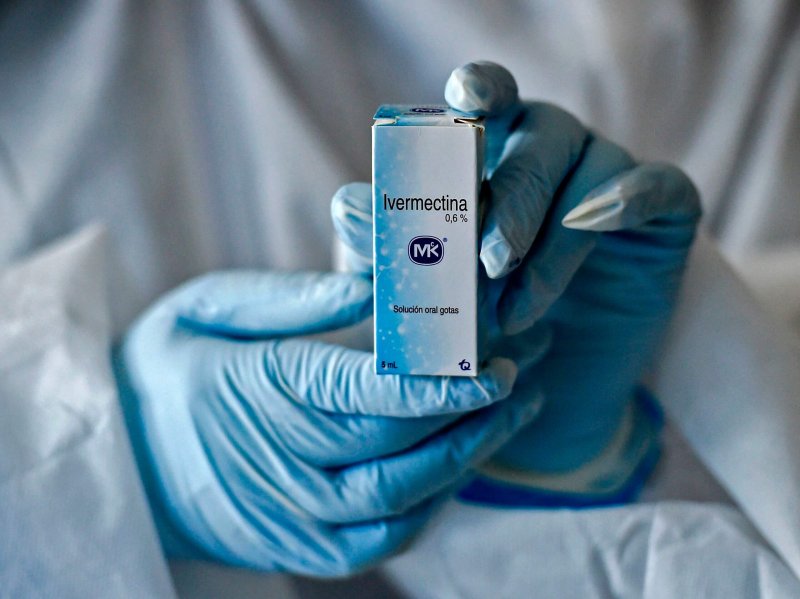
Credit: Luis Robayo/AFP via Getty Images

The antiparasitic drug ivermectin did not reduce the risk of being hospitalized with COVID-19, according to a large study published [March 30] in The New England Journal of Medicine.

Ivermectin was popularized as an alternative COVID-19 treatment despite a lack of strong evidence it helps. The recent study is among the largest that has failed to show a benefit.

In the study, researchers in Brazil compared more than 1,300 patients, some given ivermectin and others given a placebo, and found no difference between the groups.

Follow the latest news and policy debates on sustainable agriculture, biomedicine, and other ‘disruptive’ innovations. Subscribe to our newsletter.

Early in the pandemic, lab experiments on cells suggested ivermectin could have some promise, but studies in people failed to back that up.

Use of ivermectin surged during the pandemic; internal data from the CDC reviewed by ABC News estimated a 19-fold increase of the drug being distributed during the first week of August 2021, amid the delta surge.

Online telehealth services have helped provide easy access to the deworming drug.

Some studies cited by ivermectin advocates as showing benefits of the drug in combating COVID-19 have been retracted for flawed or fabricated data and analysis, while many randomized trials have shown no benefits.


This is an excerpt. Read the original post here. 

{{ reviewsTotal }}{{ options.labels.singularReviewCountLabel }}
{{ reviewsTotal }}{{ options.labels.pluralReviewCountLabel }}
{{ options.labels.newReviewButton }}
{{ userData.canReview.message }}

Related Articles

Infographic: Global regulatory and health research agencies on whether glyphosate causes cancer

Infographic: Global regulatory and health research agencies on whether glyphosate causes cancer

Does glyphosate—the world's most heavily-used herbicide—pose serious harm to humans? Is it carcinogenic? Those issues are of both legal and ...

Most Popular

Picture1
The FDA couldn’t find a vaccine safety crisis, so it buried its own research
Screenshot-2026-04-22-at-12.21.32-PM
Viewpoint: Why the retracted Monsanto glyphosate study doesn’t change the science—the world’s most popular herbicide is safe 
ChatGPT-Image-May-7-2026-12_32_36-PM
Viewpoint: The state of U.S. vaccine policy? Dismal nationally, but some states are stepping up.
placebo
Viewpoint — Alternative medicine and the placebo effect: Selling a reassuring illusion of health
_20250221_nib_rfk_trump
Viewpoint: 'Crisis of public trust': Autism support community shocked RFK continues to peddle false claims about the danger of vaccines
ChatGPT-Image-May-18-2026-01_45_05-PM-2
Newest hantavirus conspiracy: Online disinformation turns outbreak into latest ivermectin grift
ChatGPT-Image-May-18-2026-12_06_18-PM-2
Defying death: The immortality movement goes mainstream
Screenshot-2026-04-13-at-1.39.26-PM
Viewpoint: ‘Safer for children?’ Stonyfield yogurt under fire for deceptive organic marketing
Screenshot-2026-04-22-at-10.46.29-AM
Viewpoint: How to counter science disinformation? Science journalist offers 12 practical tips
glp menu logo outlined

Get news on human & agricultural genetics and biotechnology delivered to your inbox.