Precision fermentation: New genetic modification process could make anything from fossil-free biofuels to animal-free milk and cow-free cheese

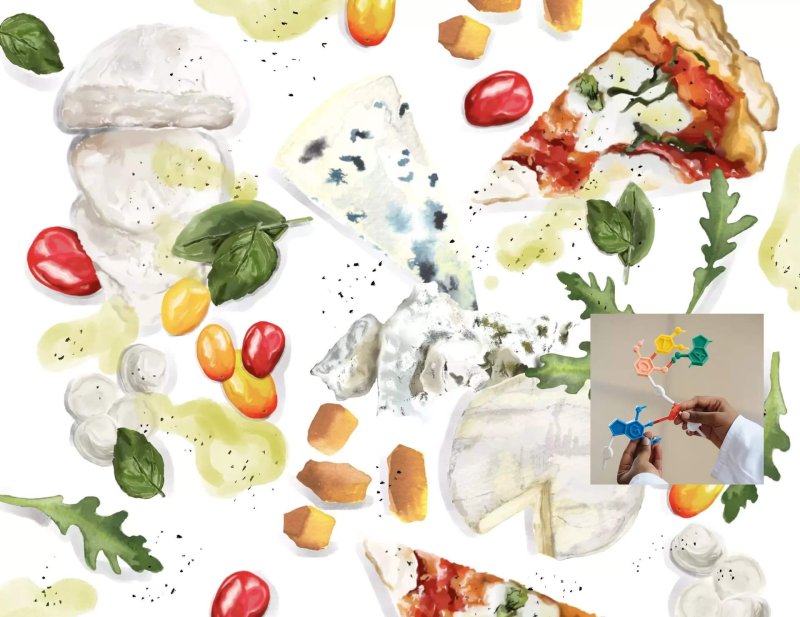
Credit: New Culture and Daisy Lab

Known as precision fermentation, the process is a hot topic because it can be used to make anything from fossil-free biofuels to the animal-free milk products that some predict will bring down the dairy industry.

Basically, you isolate the DNA sequence that encodes for something you want to make, insert it into a microbial host, which then produces it in a fermentation vat.

The product is then extracted and purified from the fermentation soup, or from the microbe itself.

Follow the latest news and policy debates on sustainable agriculture, biomedicine, and other ‘disruptive’ innovations. Subscribe to our newsletter.

The environmental gains from switching from cow udders to fermentation tanks could be huge, with one estimate finding it reduces greenhouse gas emissions by 91 to 97 per cent. There are no accurate estimates for New Zealand’s pasture-based farming.

Microbes still need to eat. Still researching at tiny scale, Daisy Lab is feeding its microbes pretty much pure sugar. But ultimately they hope to use food waste. If precision fermentation took off, farmers could grow sugar beets to feed the country’s army of micro-organisms.

Gibson [New Culture founder] counts off four barriers to getting the technology off the ground in New Zealand – outdated GM regulations, scarce investment dollars, a smaller talent pool and shortage of infrastructure (shared lab space and fermentation capacity).


This is an excerpt. Read the original post here

{{ reviewsTotal }}{{ options.labels.singularReviewCountLabel }}
{{ reviewsTotal }}{{ options.labels.pluralReviewCountLabel }}
{{ options.labels.newReviewButton }}
{{ userData.canReview.message }}

Related Articles

Infographic: Global regulatory and health research agencies on whether glyphosate causes cancer

Infographic: Global regulatory and health research agencies on whether glyphosate causes cancer

Does glyphosate—the world's most heavily-used herbicide—pose serious harm to humans? Is it carcinogenic? Those issues are of both legal and ...

Most Popular

Screenshot-2026-04-22-at-12.21.32-PM
Viewpoint: Why the retracted Monsanto glyphosate study doesn’t change the science—the world’s most popular herbicide is safe 
Picture1
The FDA couldn’t find a vaccine safety crisis, so it buried its own research
ChatGPT-Image-Apr-16-2026-02_56_53-PM
Financial incentives, over diagnosis, and weak oversight: Autism claims are driving up Medicare costs
ChatGPT-Image-May-1-2026-11_42_59-AM-2
Viewpoint: NAD is the wellness grifters latest evidence-lite longevity fad. At least the mice are impressed.
Screenshot-2026-05-21-at-12.15.17-PM
UK gene-editing milestone: Livestock barley that increases ruminant value and reduces methane emissions is first-approved CRISPR crop
global warming
‘Implausible’: Top climate scientists reject worst-case scenario—soaring temperatures and fast-rising sea levels
Screenshot-2026-05-21-at-3.15.53-PM
Chiropractors may no longer be modern-day snake oil salesmen, but the benefits of their therapy are limited–at best

Sorry. No data so far.

glp menu logo outlined

Get news on human & agricultural genetics and biotechnology delivered to your inbox.