Viewpoint: Algerian newspaper makes case for agricultural biotechnology as key to limit climate change impacts

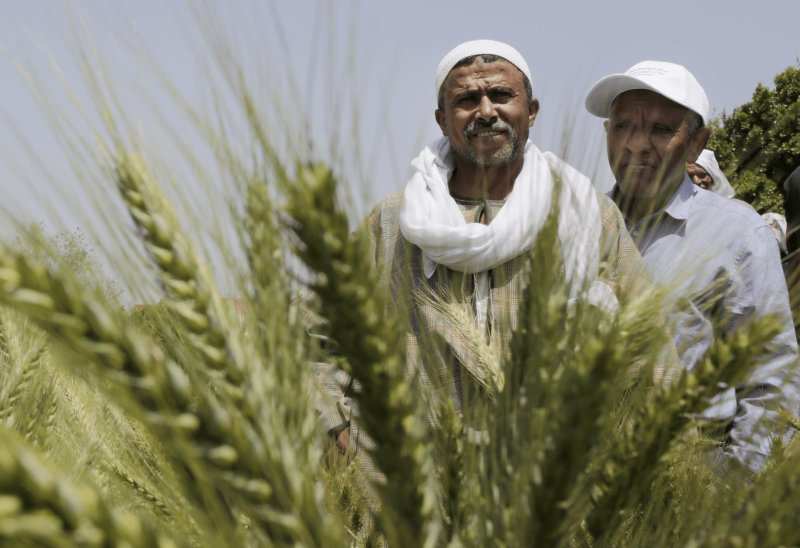
Credit: Amr Nabil/AP

Genetic engineering has already been successfully applied to plants and animals in research to address the effects of climate change. However, its effectiveness in climate change mitigation and adaptation is still severely limited. One of the most important limitations of current applications is the limited scope of potential solutions without the use of intra-, cis-, and transgenic approaches.

Follow the latest news and policy debates on sustainable agriculture, biomedicine, and other ‘disruptive’ innovations. Subscribe to our newsletter.

GMO foods are likely to become a crucial tool for feeding the world’s growing population, especially in a changing climate. However, the possible risks raise concerns. Genetic engineering of foods is a relatively new practice, which means the long-term effects on safety are not yet clear.

The adoption of these technological innovations is compromised by regulatory and social barriers. The majority of advances in the applications of genetic engineering for agriculture have taken place recently, which also partly explains the relatively low yield of agricultural production. The ongoing efforts of public and private institutions are rapidly building on current technological innovations.

Finally, biotechnology and genetic engineering are tools that will contribute to solutions for climate change. Algeria’s agricultural sector may need to embrace new technologies and innovations to ensure a sustainable and prosperous future.

[Editor’s note: This article has been translated from French and is edited for clarity.]

This is an excerpt. Read the original post here

{{ reviewsTotal }}{{ options.labels.singularReviewCountLabel }}
{{ reviewsTotal }}{{ options.labels.pluralReviewCountLabel }}
{{ options.labels.newReviewButton }}
{{ userData.canReview.message }}

Related Articles

Infographic: Global regulatory and health research agencies on whether glyphosate causes cancer

Infographic: Global regulatory and health research agencies on whether glyphosate causes cancer

Does glyphosate—the world's most heavily-used herbicide—pose serious harm to humans? Is it carcinogenic? Those issues are of both legal and ...

Most Popular

Screenshot-2026-04-22-at-12.21.32-PM
Viewpoint: Why the retracted Monsanto glyphosate study doesn’t change the science—the world’s most popular herbicide is safe 
ChatGPT-Image-Apr-16-2026-02_56_53-PM
Financial incentives, over diagnosis, and weak oversight: Autism claims are driving up Medicare costs
Picture1
The FDA couldn’t find a vaccine safety crisis, so it buried its own research
ChatGPT-Image-May-1-2026-11_42_59-AM-2
Viewpoint: NAD is the wellness grifters latest evidence-lite longevity fad. At least the mice are impressed.
global warming
‘Implausible’: Top climate scientists reject worst-case scenario—soaring temperatures and fast-rising sea levels
Screenshot-2026-05-21-at-12.15.17-PM
UK gene-editing milestone: Livestock barley that increases ruminant value and reduces methane emissions is first-approved CRISPR crop
Screenshot-2026-05-21-at-3.15.53-PM
Chiropractors may no longer be modern-day snake oil salesmen, but the benefits of their therapy are limited–at best

Sorry. No data so far.

glp menu logo outlined

Get news on human & agricultural genetics and biotechnology delivered to your inbox.