Podcast: Play in new window | Download
Subscribe: RSS
Join geneticist Kevin Folta and GLP contributor Cameron English on episode 181 of Science Facts and Fallacies as they break down these latest news stories:
Shortly after banning imports of synthetic fertilizers and pesticides, Sri Lanka collapsed into chaos. Food prices spiked as the supply of staple crops dwindled, exacerbating existing economic trouble and political unrest and ultimately forcing the president to leave the country. His decision to ban the tools growers depend on was influenced by organic-food activists, most notably Vandana Shiva.
Despite her recommendations leading to disaster, neither Shiva nor any of her allies have so much as apologized their role in driving millions of people back into poverty. Why do politicians continue to take these activists seriously?

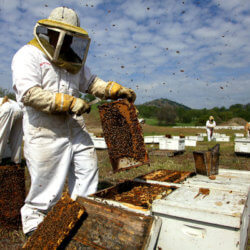



Most people would correctly assume that bees and fish are very different animals. But basic taxonomical categories don’t apply in California, where anti-pesticide groups recently used a legal loophole to convince a judge that bees and fish are, in fact, the same as far as the state’s environmental regulations are concerned. Farmers now have to pay attention to which “fish” buzz around their farms in order to avoid running afoul of California’s Byzantine pesticide rules.
First they came for glyphosate; now, the trials lawyers who sued Bayer for billions of dollars are going after another herbicide, the widely used weedkiller paraquat, which they incorrectly assert causes Parkinson’s. What long-term impacts will these legal assaults have on American agriculture? Could they possibly affect our food security?
Kevin M. Folta is a professor, keynote speaker and podcast host. Follow Professor Folta on Twitter @kevinfolta
Cameron J. English is the director of bio-sciences at the American Council on Science and Health. Visit his website and follow ACSH on Twitter @ACSHorg
[irp]