Glyphosate re-approved for Sri Lanka import as country attempts to recover from failed organic-only experiment

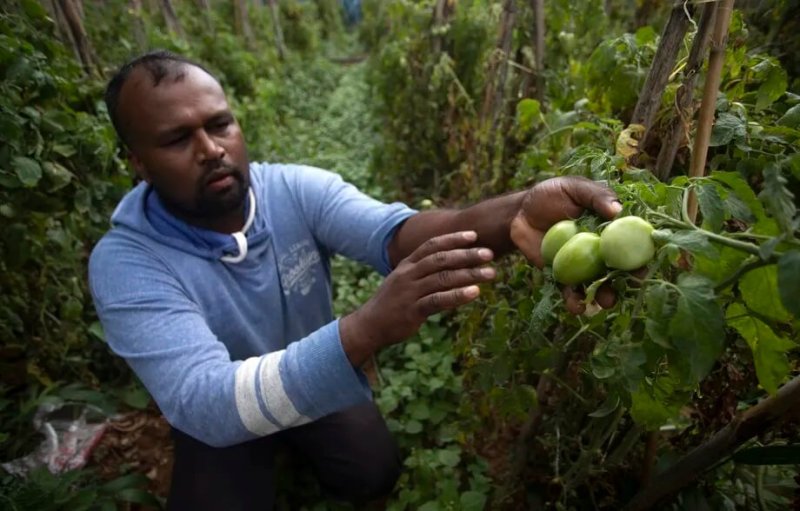
A Sri Lankan tomato farmer shows pest-infected crop which he blames on unavailability of chemical pesticides in Keppetipola, Sri Lanka on July 1, 2021. Credit: Eranga Jayawardena via AP

The Finance Ministry has lifted the import ban on the popular weedicide glyphosate with effect from August 5 while allowing glyphosate imports into the country subject to import control license requirement.

Follow the latest news and policy debates on sustainable agriculture, biomedicine, and other ‘disruptive’ innovations. Subscribe to our newsletter.

Earlier, glyphosate use was allowed for tea and rubber cultivations for a period of three years following the blanket import ban on the weedicide in 2015.

In 2019, restricted quantities of glyphosate were permitted to be imported for devitalisation in the floriculture industry and removal of diseased sugarcane plants (White Leaf Disease) and coconut palms (Weligama Coconut Leaf Wilt Disease).

In 2019, it was yet again banned along with other agrochemical in 2021 as the government made a policy decision to move for 100 percent organic agriculture. However, the blanket ban on agrochemicals were removed several months later.


This is an excerpt. Read the original post here

{{ reviewsTotal }}{{ options.labels.singularReviewCountLabel }}
{{ reviewsTotal }}{{ options.labels.pluralReviewCountLabel }}
{{ options.labels.newReviewButton }}
{{ userData.canReview.message }}

Related Articles

Infographic: Global regulatory and health research agencies on whether glyphosate causes cancer

Infographic: Global regulatory and health research agencies on whether glyphosate causes cancer

Does glyphosate—the world's most heavily-used herbicide—pose serious harm to humans? Is it carcinogenic? Those issues are of both legal and ...

Most Popular

ChatGPT-Image-May-7-2026-12_16_37-PM-2
Viewpoint: Are cancer rates ‘skyrocketing’ as RFK, Jr. and MAHA claims? The evidence says mostly the opposite
Screenshot-2026-04-13-at-1.39.26-PM
Viewpoint: ‘Safer for children?’ Stonyfield yogurt under fire for deceptive organic marketing
Screenshot-2026-04-22-at-10.46.29-AM
Viewpoint: How to counter science disinformation? Science journalist offers 12 practical tips
png-pill-omega-Supp-fish-oil
Millions take omega-3 fish oil for brain health. New research suggests it may do the opposite.
Screenshot-2026-04-23-at-11.00.36-AM
Regulators' dilemma: Thalidomide, Metformin, and the cost of getting drug approvals wrong
ChatGPT Image May 14, 2026, 09_51_35 PM
Facebook swamped by hundreds of thousands of scam ads for illegal or dangerous medical products
ChatGPT Image May 12, 2026, 01_21_30 PM
How big health brands are funding online medical misinformation 
ChatGPT-Image-May-12-2026-08_39_41-PM
GLP podcast: Big Pharma, Big Ag, Big Food—health harming industries or life-saving innovators?
ChatGPT-Image-May-13-2026-12_43_37-PM-2
Longevity: Is cellular rejuvenation even possible?
Picture1-1
Cooling the planet with balloons: Could a geoengineering gamble slow global warming?
Screenshot 2026-05-12 at 11.01
Viewpoint: Can this California pediatrician and Congressional hopeful quell anti-vaccine extremists?

Sorry. No data so far.

glp menu logo outlined

Get news on human & agricultural genetics and biotechnology delivered to your inbox.