Blight resistant gene-edited potatoes now third genetically-enhanced crop approved in once anti-biotech Ethiopia

Credit: Catholic Ireland

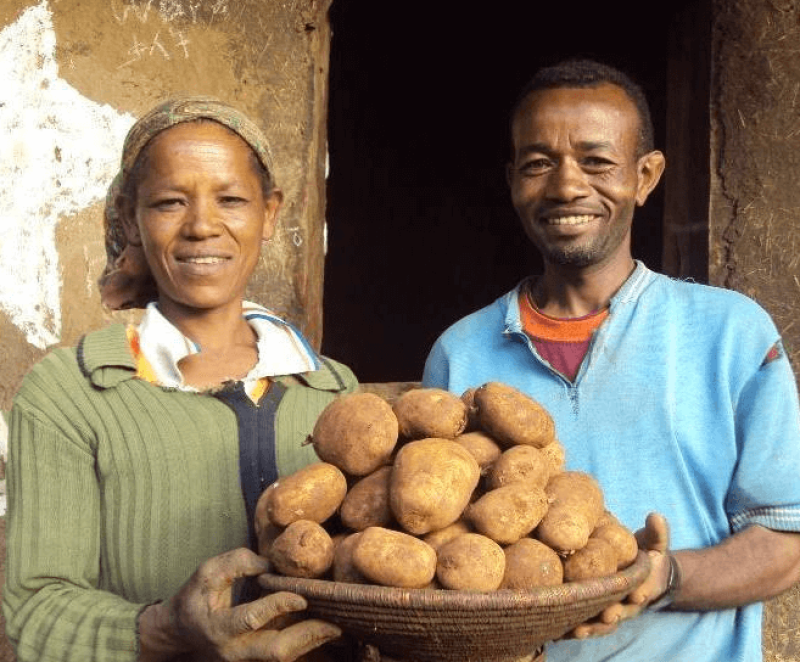
Ethiopia has given the green light to carry out observation field trials for genetically modified potatoes that are said to be resistant to blight, a move seen as a further sign of the countryโ€™s growing embrace of the controversial genetic modification technology.

The approval by the Ethiopian Environmental Protection Authority weeks ago gives the Ethiopian Institute of Agricultural Research (EIAR) permission to plant the potatoes in a confined trial farming area.

Ethiopiaโ€™s deregulatory plans around GMO crops focus on gene editing, a type of genetic modification that is heavily restricted in the European Union countries.

Follow the latest news and policy debates on sustainable agriculture, biomedicine, and other ‘disruptive’ innovations. Subscribe to our newsletter.

Genetically modified potatoes that resist โ€œlate blightโ€ were developed by the German chemicals group BASF. The disease led to famine in Ireland during the 19th century and still causes about 20 percent of potato harvest losses in the world, the company says.
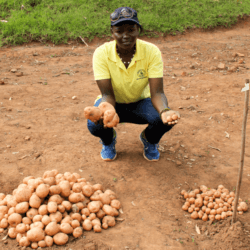
With the latest development, the potato has become the third consumable GMO product to be authorized in Ethiopia for commercial production. ย So far, a permit has been granted for maize and Enset (false banana), to Bt cotton.

Genetically modified crops lead to heated public debate, with some questioning their supposed miraculous solutions to food security problems.


This is an excerpt. Read the original post here

{{ reviewsTotal }}{{ options.labels.singularReviewCountLabel }}
{{ reviewsTotal }}{{ options.labels.pluralReviewCountLabel }}
{{ options.labels.newReviewButton }}
{{ userData.canReview.message }}

Related Articles

Infographic: Global regulatory and health research agencies on whether glyphosate causes cancer

Infographic: Global regulatory and health research agencies on whether glyphosate causes cancer

Does glyphosateโ€”the world's most heavily-used herbicideโ€”pose serious harm to humans? Is it carcinogenic? Those issues are of both legal and ...

Most Popular

Screenshot-2026-04-22-at-12.21.32-PM
Viewpoint: Why the retracted Monsanto glyphosate study doesnโ€™t change the scienceโ€”the worldโ€™s most popular herbicide is safeย 
Picture1
The FDA couldnโ€™t find a vaccine safety crisis, so it buried its own research
ChatGPT-Image-May-1-2026-11_42_59-AM-2
Viewpoint: NAD is the wellness grifters latest evidence-lite longevity fad. At least the mice are impressed.
global warming
โ€˜Implausibleโ€™: Top climate scientists reject worst-case scenarioโ€”soaring temperatures and fast-rising sea levels
Screenshot-2026-05-21-at-12.15.17-PM
UK gene-editing milestone: Livestock barley that increases ruminant value and reduces methane emissions is first-approved CRISPR crop
ChatGPT-Image-Apr-16-2026-02_56_53-PM
Financial incentives, over diagnosis, and weak oversight: Autism claims are driving up Medicare costs
vax-misinformation-main
Facts & Fallacies Podcast: Limit free speech to blunt social media misinfo?
Screenshot-2026-05-21-at-3.15.53-PM
Chiropractors may no longer be modern-day snake oil salesmen, but the benefits of their therapy are limitedโ€“at best
ChatGPT-Image-May-12-2026-11_27_01-AM-2
AI likely to improve health care, research showsโ€”but not for blacks and ethnic minorities
Screenshot-2026-05-20-at-5.11.17-PM
Viewpoint: No, sugar doesnโ€™t โ€˜feedโ€™ cancer โ€” common cancer myths, debunked

Sorry. No data so far.

glp menu logo outlined

Get news on human & agricultural genetics and biotechnology delivered to your inbox.