Carbon removal breakthrough: Genetic tools that have created climate resilient crops could capture carbon dioxide as well

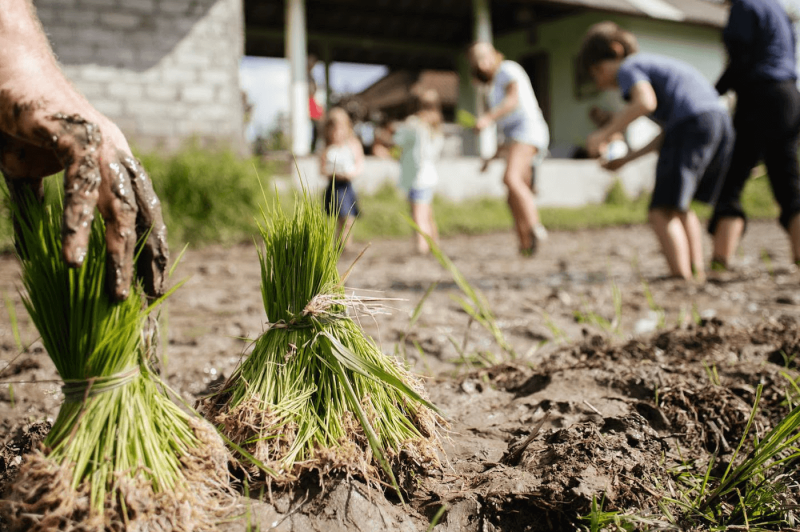
rice paddi
Credit: GreenBiz

To understand just how powerful genetic tools can be in agriculture, take a look at [Pamela Ronald, a plant geneticist at UC Davis] project developing flood-resistant rice.

Using modern genetic tools including one called marker-assisted breeding, the researchers were able to breed the gene responsible for flood-tolerance, called Sub1, into popular rice varieties. In controlled experiments, researchers compared Sub1 rice to standard varieties by growing both for a four-month period that included a two-week flood. In flooded conditions, the Sub1 gene increased rice yields by 60%.

Follow the latest news and policy debates on sustainable agriculture, biomedicine, and other ‘disruptive’ innovations. Subscribe to our newsletter.

โ€œThe most effective and amazing carbon removal technology is photosynthesis,โ€ Ronald said in our interview.

Plants naturally draw down carbon dioxide and transform it into complex compounds like sugars. Many of the sugars made in photosynthesis are eventually broken down again, returning to the atmosphere. But some carbon stays in the soilโ€”and Ronald and her team want to help bump up how much.

There are a few prongs to this plan.ย 

  • Boost photosynthesis, so crops can grow more quickly and suck up more carbon.
  • Grow plants with especially long roots, so that more carbon ends up deep underground.
  • Help plants associate with specific bacteria. This one is a bit complicated, but basically some bacteria help mineralize carbon dioxide underground, trapping it.

In addition to tweaking plants, researchers will work to better understand how carbon is moving through plants and the surrounding environment to see how much theyโ€™re actually helping.

This is an excerpt. Read the original post here

{{ reviewsTotal }}{{ options.labels.singularReviewCountLabel }}
{{ reviewsTotal }}{{ options.labels.pluralReviewCountLabel }}
{{ options.labels.newReviewButton }}
{{ userData.canReview.message }}

Related Articles

Infographic: Global regulatory and health research agencies on whether glyphosate causes cancer

Infographic: Global regulatory and health research agencies on whether glyphosate causes cancer

Does glyphosateโ€”the world's most heavily-used herbicideโ€”pose serious harm to humans? Is it carcinogenic? Those issues are of both legal and ...

Most Popular

ChatGPT-Image-May-7-2026-12_32_36-PM
Viewpoint: The state of U.S. vaccine policy? Dismal nationally, but some states are stepping up.
Screenshot-2026-04-13-at-1.39.26-PM
Viewpoint: โ€˜Safer for children?โ€™ Stonyfield yogurt under fire for deceptive organic marketing
Screenshot-2026-04-22-at-10.46.29-AM
Viewpoint: How to counter science disinformation? Science journalist offers 12 practical tips
the magic of mRNA
Viewpoint: Anti-vax fake โ€˜turbo cancerโ€™ claims threaten cancer treatment breakthroughs
ChatGPT-Image-May-7-2026-12_16_37-PM-2
Viewpoint: Are cancer rates โ€˜skyrocketingโ€™ as RFK, Jr. and MAHA claim? The evidence says mostly the opposite
artificial intelligence brain think illustration md
Viewpoint โ€” Digital gods and human extinction: Will we be the first species ever to design our own descendants?
Picture1-1
Cooling the planet with balloons: Could a geoengineering gamble slow global warming?
ChatGPT-Image-May-7-2026-01_23_27-PM-2
Viewpoint: Will AI democratize personalized cancer treatment or fuel medical misinformation?
Defense_Secretary_Ash_Carter_tours_the_Microsoft_Cybercrime_Center_in_Seattle_March_3_2016
How criminals are using AI to target social media users and steal their money and confidential data
Screenshot-2026-04-23-at-11.00.36-AM
Regulators' dilemma: Thalidomide, Metformin, and the cost of getting drug approvals wrong
ChatGPT Image May 12, 2026, 01_21_30 PM
How big health brands are funding online medical misinformationย 
glp menu logo outlined

Get news on human & agricultural genetics and biotechnology delivered to your inbox.