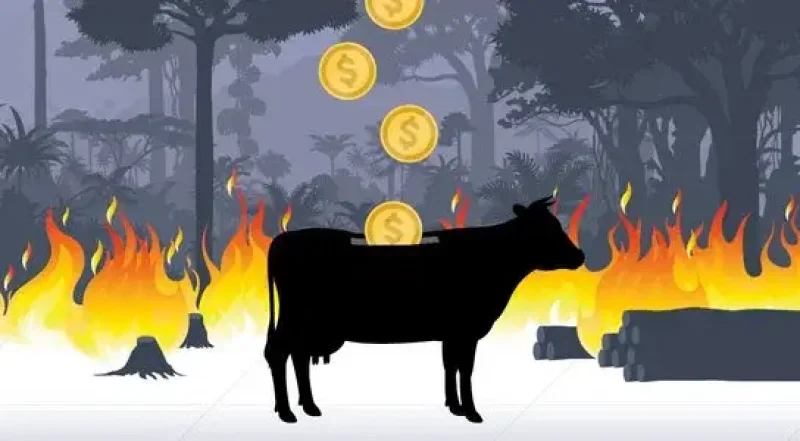
Viewpoint: ‘Cattle laundering’ — Is the beef industry deforesting the Amazon?

Credit: Global Witness

On paper, the Brazilian Amazon is one of the most protected ecosystems on the planet. There are thousands of protected areas, in addition to rules that safeguard forests on private lands.

More importantly, big meatpacking companies that buy cattle — the largest driver of deforestation, by far, in the Amazon — committed more than a decade ago to only buy cattle from land without forest loss. This commitment was supposed to prevent any additional losses.

Yet year after year, satellites that monitor changes in forest cover find the same thing: The Amazon is shrinking. Between August 1, 2018, and July 31, 2021, more than 34,000 square km (8.4 million acres) disappeared from the Brazilian Amazon. That’s an area larger than the entire nation of Belgium, and a 52 percent increase compared to the previous three years.

It doesn’t add up. Assuming satellites don’t lie, someone is hiding deforestation.

Follow the latest news and policy debates on sustainable agriculture, biomedicine, and other ‘disruptive’ innovations. Subscribe to our newsletter.

In a cattle laundering scheme, ranchers move cattle from “dirty” ranches, which contribute to deforestation, to ranches that are “clean,” with no recent forest loss. By the time those cattle arrive at slaughterhouses, the path they’ve taken is obscured, as is the damage they’ve caused.

Cattle laundering is not only driving deforestation in the Amazon forest but also within its formally protected areas — public lands set aside explicitly for the conservation of natural resources and, in many cases, Indigenous people.
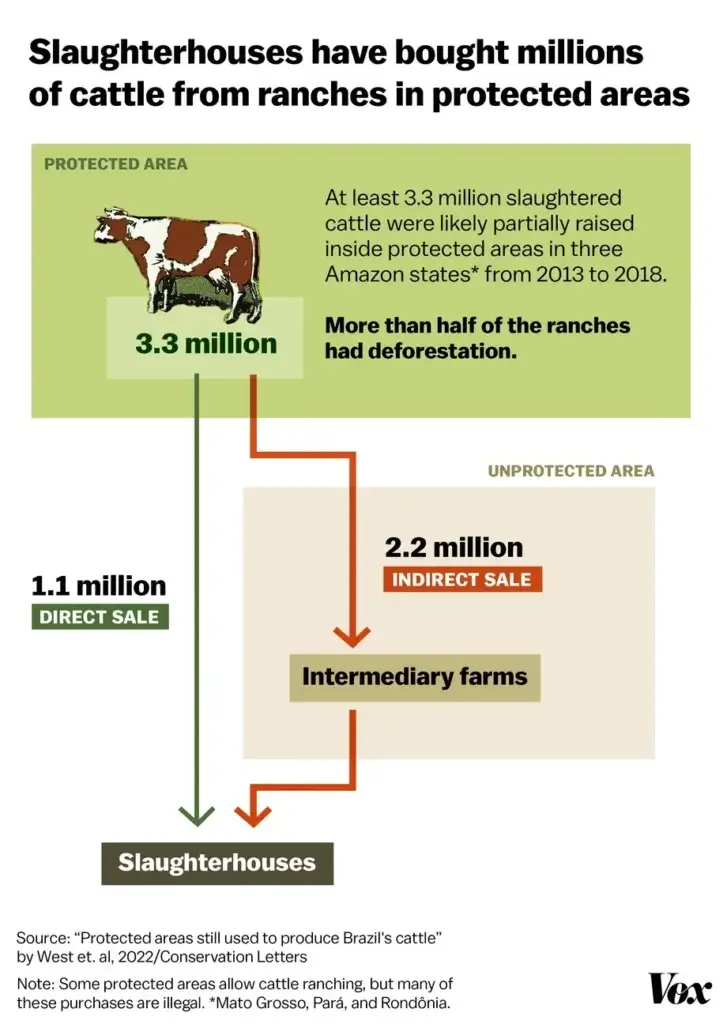

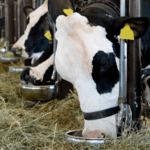
Some 5% of cows were at least partially raised in protected areas. Credit: Amanda Northrop via Vox

This is an excerpt. Read the original post here

{{ reviewsTotal }}{{ options.labels.singularReviewCountLabel }}
{{ reviewsTotal }}{{ options.labels.pluralReviewCountLabel }}
{{ options.labels.newReviewButton }}
{{ userData.canReview.message }}

Related Articles

Infographic: Global regulatory and health research agencies on whether glyphosate causes cancer

Infographic: Global regulatory and health research agencies on whether glyphosate causes cancer

Does glyphosate—the world's most heavily-used herbicide—pose serious harm to humans? Is it carcinogenic? Those issues are of both legal and ...

Most Popular

Screenshot-2026-04-22-at-12.21.32-PM
Viewpoint: Why the retracted Monsanto glyphosate study doesn’t change the science—the world’s most popular herbicide is safe 
Picture1
The FDA couldn’t find a vaccine safety crisis, so it buried its own research
ChatGPT-Image-May-1-2026-11_42_59-AM-2
Viewpoint: NAD is the wellness grifters latest evidence-lite longevity fad. At least the mice are impressed.
global warming
‘Implausible’: Top climate scientists reject worst-case scenario—soaring temperatures and fast-rising sea levels
Screenshot-2026-05-21-at-12.15.17-PM
UK gene-editing milestone: Livestock barley that increases ruminant value and reduces methane emissions is first-approved CRISPR crop
vax-misinformation-main
Facts & Fallacies Podcast: Limit free speech to blunt social media misinfo?
Screenshot-2026-05-21-at-3.15.53-PM
Chiropractors may no longer be modern-day snake oil salesmen, but the benefits of their therapy are limited–at best
ChatGPT-Image-Apr-16-2026-02_56_53-PM
Financial incentives, over diagnosis, and weak oversight: Autism claims are driving up Medicare costs
ChatGPT-Image-May-12-2026-11_27_01-AM-2
AI likely to improve health care, research shows—but not for blacks and ethnic minorities
Screenshot-2026-05-20-at-5.11.17-PM
Viewpoint: No, sugar doesn’t ‘feed’ cancer — common cancer myths, debunked

Sorry. No data so far.

glp menu logo outlined

Get news on human & agricultural genetics and biotechnology delivered to your inbox.