Genes play larger role in how we respond to COVID than originally thought

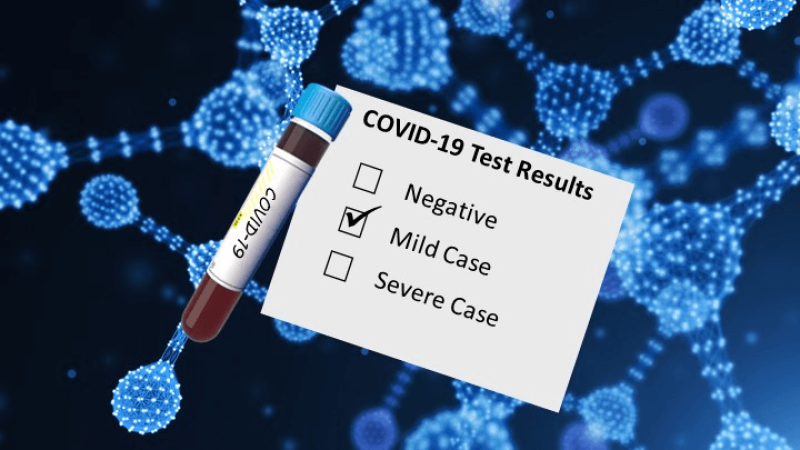
what causes the varying degrees of severity in COVID
Credit: NIH

It’s hard to predict who might succumb, but researchers are searching for genetic clues.

Some studies have found that versions of genes inherited from Neandertals may protect against COVID-19, while other genetic heirlooms passed down from Neandertals can up the risk of severe disease.

A massive international study examining DNA from more than 28,000 COVID-19 patients and almost 600,000 people who hadn’t been infected (to the best of their knowledge) confirmed that inheritance from Neandertals is involved in COVID-19 susceptibility.

The study also confirmed a previous finding that people with type O blood may have some protection against getting infected with the coronavirus.

Follow the latest news and policy debates on sustainable agriculture, biomedicine, and other ‘disruptive’ innovations. Subscribe to our newsletter.

But the problem with all of these studies is that they can’t tell any individual what their chances are of a bad outcome from catching COVID-19. For instance, the DNA testing company 23andMe tells me that I have less than 2 percent Neandertal DNA. I don’t know whether that includes the variants that would make me more susceptible to severe disease or the ones that protect against infection. What if I got both? And how does that play with my blood type and all the other genetic variants I may carry?


This is an excerpt. Read the full article here

{{ reviewsTotal }}{{ options.labels.singularReviewCountLabel }}
{{ reviewsTotal }}{{ options.labels.pluralReviewCountLabel }}
{{ options.labels.newReviewButton }}
{{ userData.canReview.message }}

Related Articles

Infographic: Global regulatory and health research agencies on whether glyphosate causes cancer

Infographic: Global regulatory and health research agencies on whether glyphosate causes cancer

Does glyphosate—the world's most heavily-used herbicide—pose serious harm to humans? Is it carcinogenic? Those issues are of both legal and ...

Most Popular

ChatGPT-Image-May-7-2026-12_16_37-PM-2
Viewpoint: Are cancer rates ‘skyrocketing’ as RFK, Jr. and MAHA claims? The evidence says mostly the opposite
Screenshot-2026-04-13-at-1.39.26-PM
Viewpoint: ‘Safer for children?’ Stonyfield yogurt under fire for deceptive organic marketing
Screenshot-2026-04-22-at-10.46.29-AM
Viewpoint: How to counter science disinformation? Science journalist offers 12 practical tips
png-pill-omega-Supp-fish-oil
Millions take omega-3 fish oil for brain health. New research suggests it may do the opposite.

Sorry. No data so far.

glp menu logo outlined

Get news on human & agricultural genetics and biotechnology delivered to your inbox.