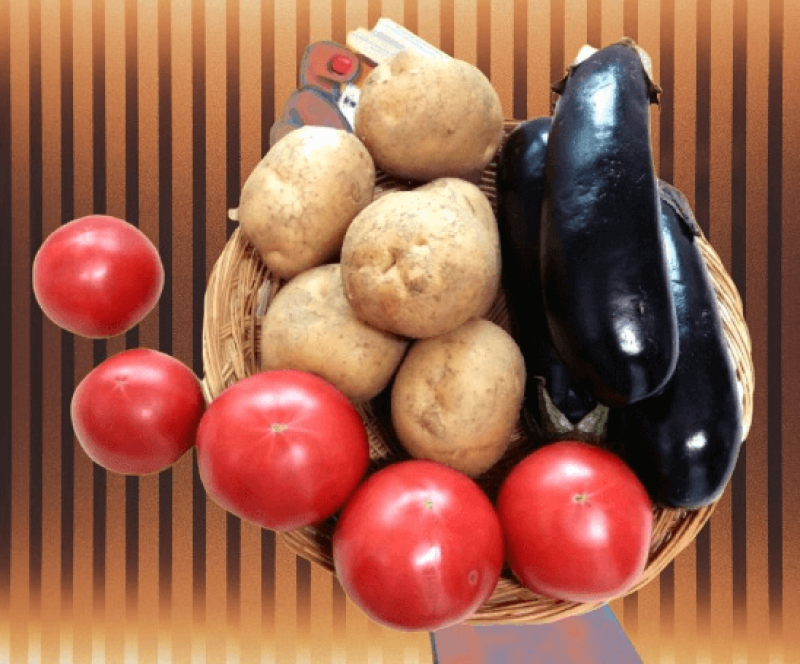
Bioactive compounds from potatoes and tomatoes could help us create new cancer drugs

Credit: PurePng
Credit: PurePng

Vegetables such as potatoes could someday help us fight cancer, according to a study completed at Adam Mickiewicz University in Poland and published [December 7] in the journal Frontiers of Pharmacology.

In their study, researchers examined bioactive compounds called glycoalkaloids and how they can play a role in preventing or treating cancer.

Bioactive compounds are chemicals found in fruits and vegetables that can promote good health. Glycoalkaloids are found in nightshade plants, including tomatoes, eggplant, and potatoes.

Glycoalkaloids can inhibit cancer cell growth. Some studies have suggested that they aren’t toxic and do not risk damaging DNA or causing future tumors.

Follow the latest news and policy debates on sustainable agriculture, biomedicine, and other ‘disruptive’ innovations. Subscribe to our newsletter.

A detailed understanding of glycoalkaloid properties would be needed to further evaluate how they can help fight cancer.

“There is an important difference between eating fruits and vegetables for health (often prevention) vs. mining plant materials for potentially bioactive drugs (often treatment),” [researcher Jessica] Cooperstone said.

“There is lots of research that shows the benefits of eating plant foods to lower cancer risk, but little conclusive evidence about the effects of specific compounds or specific foods,” she added.
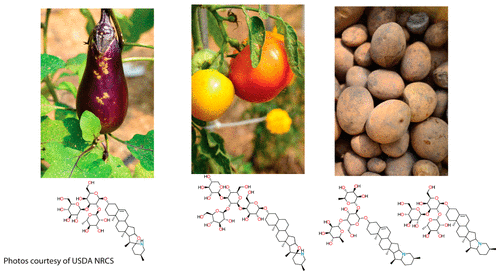

Credit: USDA NRCS

This is an excerpt. Read the original post here

{{ reviewsTotal }}{{ options.labels.singularReviewCountLabel }}
{{ reviewsTotal }}{{ options.labels.pluralReviewCountLabel }}
{{ options.labels.newReviewButton }}
{{ userData.canReview.message }}

Related Articles

Infographic: Global regulatory and health research agencies on whether glyphosate causes cancer

Infographic: Global regulatory and health research agencies on whether glyphosate causes cancer

Does glyphosate—the world's most heavily-used herbicide—pose serious harm to humans? Is it carcinogenic? Those issues are of both legal and ...

Most Popular

Screenshot-2026-04-22-at-12.21.32-PM
Viewpoint: Why the retracted Monsanto glyphosate study doesn’t change the science—the world’s most popular herbicide is safe 
ChatGPT-Image-Apr-16-2026-02_56_53-PM
Financial incentives, over diagnosis, and weak oversight: Autism claims are driving up Medicare costs
Picture1
The FDA couldn’t find a vaccine safety crisis, so it buried its own research
global warming
‘Implausible’: Top climate scientists reject worst-case scenario—soaring temperatures and fast-rising sea levels
ChatGPT-Image-May-1-2026-11_42_59-AM-2
Viewpoint: NAD is the wellness grifters latest evidence-lite longevity fad. At least the mice are impressed.

Sorry. No data so far.

glp menu logo outlined

Get news on human & agricultural genetics and biotechnology delivered to your inbox.