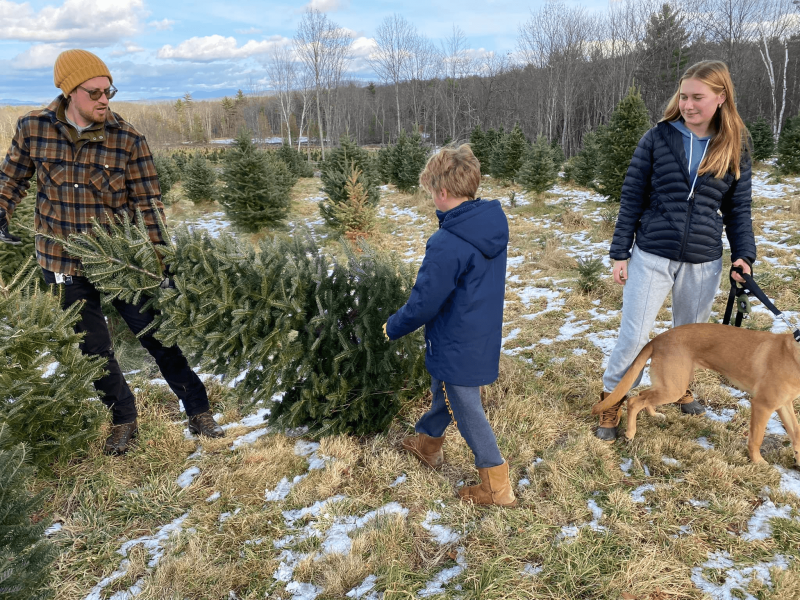

Every year, millions of Christmas trees are grown and harvested in the United States and Europe.
These are often fir trees cultivated expressly for the Christmas season. The environmental impact is large enough that it should not be overlooked, and many people wonder whether such annual reductions are justified.
Concerns have also been raised about the survival of particular conifer species, which are threatened by the deforestation produced by these regular cuts. Based on The Global Trees Campaign, over 200 species of conifers are on the verge of extinction worldwide.
A Christmas tree farm, like any other farm, requires specific supplies for trees to thrive. Farms that seek to cultivate tree species that do not ordinarily thrive in that place have the potential to harm the ecosystem.
Researchers estimate the entire effect of genuine Christmas trees using a process known as life cycle assessment.



It takes into consideration everything from tree planting to harvesting to disposal, including pesticide and fertilizer use, agricultural equipment use, and water consumption. These studies may frequently estimate an industrial system’s carbon footprint.
The greatest source of greenhouse gas emissions in Christmas tree manufacturing is fuel consumption. Every gallon of petrol or fuel used by a tractor or delivery vehicle produces 20 – 22 lbs (9 -10 kg) of CO2.