Hike a day keeps the doctor away? Spending time in nature could reduce need for anxiety and blood pressure medications, study suggests

Hike a day keeps the doctor away? Spending time in nature could reduce the need for anxiety and blood pressure medications, study suggests
Credit: Pixabay/ jsoubliere

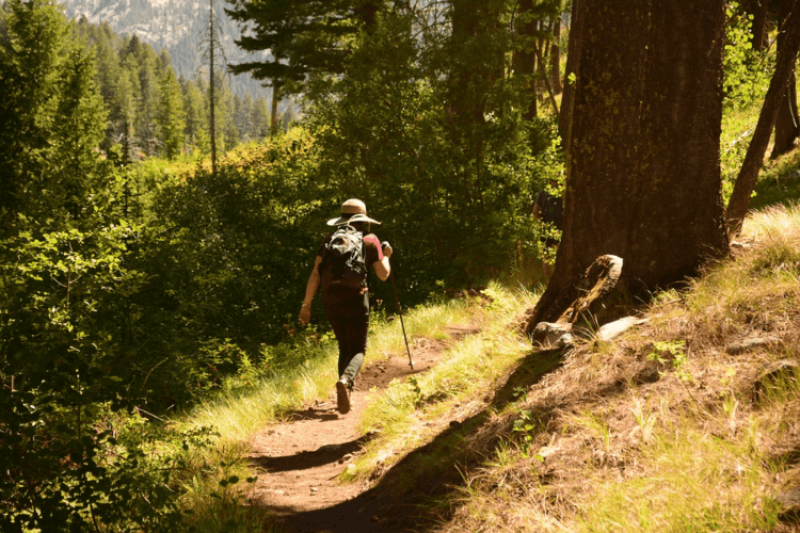
Spending time outside with trees, water and everything else nature has to offer, may reduce the need for anxiety drugs and other medications, according to a new study.

Researchers found enjoying nature up to four times a week reduced the odds of using mental health medications by 33%, according to the study published [January 16] in the journal Occupational & Environmental Medicine.

The study found spending time in green spaces, which include forests and gardens, as well as blue spaces, which include lakes and oceans, also cut the odds of using blood pressure pills by 36% and asthma medications by 26%.

Follow the latest news and policy debates on sustainable agriculture, biomedicine, and other ‘disruptive’ innovations. Subscribe to our newsletter.

“Physical activity is thought to be the key mediating factor in the health benefits of green spaces when availability or active use of green space are considered,” study coauthor Ann Turunen, a senior researcher at the Finnish Institute for Health and Welfare in Helsinki, said in a statement.

“The analysis can reveal key associations, but we can’t say for certain whether it was the greenspace proximity or use that led to reduced use of medications,” said Lincoln Larson, an associate professor in the College of Natural Resources at North Carolina State University.

“Perhaps people who were healthier to begin with were more likely to get outdoors in the first place,” Larson added.


This is an excerpt. Read the full article here

{{ reviewsTotal }}{{ options.labels.singularReviewCountLabel }}
{{ reviewsTotal }}{{ options.labels.pluralReviewCountLabel }}
{{ options.labels.newReviewButton }}
{{ userData.canReview.message }}

Related Articles

Infographic: Global regulatory and health research agencies on whether glyphosate causes cancer

Infographic: Global regulatory and health research agencies on whether glyphosate causes cancer

Does glyphosate—the world's most heavily-used herbicide—pose serious harm to humans? Is it carcinogenic? Those issues are of both legal and ...

Most Popular

Screenshot-2026-04-22-at-12.21.32-PM
Viewpoint: Why the retracted Monsanto glyphosate study doesn’t change the science—the world’s most popular herbicide is safe 
ChatGPT-Image-Apr-16-2026-02_56_53-PM
Financial incentives, over diagnosis, and weak oversight: Autism claims are driving up Medicare costs
Picture1
The FDA couldn’t find a vaccine safety crisis, so it buried its own research
ChatGPT-Image-May-1-2026-11_42_59-AM-2
Viewpoint: NAD is the wellness grifters latest evidence-lite longevity fad. At least the mice are impressed.
global warming
‘Implausible’: Top climate scientists reject worst-case scenario—soaring temperatures and fast-rising sea levels
Screenshot-2026-05-21-at-12.15.17-PM
UK gene-editing milestone: Livestock barley that increases ruminant value and reduces methane emissions is first-approved CRISPR crop
Screenshot-2026-05-21-at-3.15.53-PM
Chiropractors may no longer be modern-day snake oil salesmen, but the benefits of their therapy are limited–at best

Sorry. No data so far.

glp menu logo outlined

Get news on human & agricultural genetics and biotechnology delivered to your inbox.