Viewpoint: Are Americans being duped by the organic label and claims by its proponents?

Credit: Boston Organics

The claim that organic farming produces tastier food is simply unsupported by scientific consensus at this time. However, this claim is based on the fact that due to higher antioxidant levels, the food’s organoleptic qualities like taste, smell, and texture are elevated. Studies found that people consuming food grown conventionally don’t find as much of a difference in taste as those consuming organic food. Studies have also shown that organic food consumers were more than likely to rate organic food’s taste as being better than conventionally produced food. This could be a classic case of confirmation bias. Only time and more research will show if this is true or not.

While some nutrients might be in slightly greater proportion and some anti-nutrients might be in a lower proportion compared to conventional farm produce, the claim that organically produced food is somehow safer and healthier than its conventional counterpart is again scientifically unsupported. 

Follow the latest news and policy debates on sustainable agriculture, biomedicine, and other ‘disruptive’ innovations. Subscribe to our newsletter.

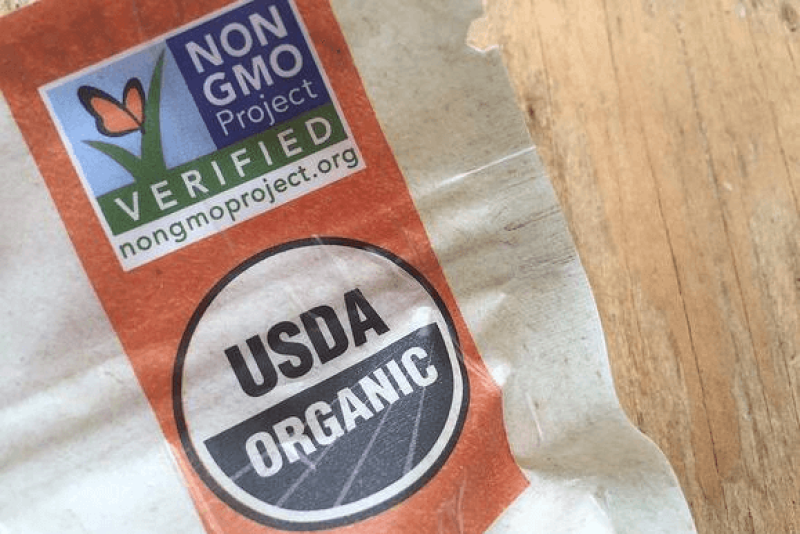
The “Organic” badge is quite lucrative for businesses and corporations, so they are trying to monopolize that market by having lobbyists inside the certifying authorities who will then lobby the government officials staffing these bodies. As the days go by, it’s getting harder and harder to tell lies from the truth. Hence, the onus is on the consumer to verify any claims made for or against any health benefits that a product may or may not have.


This is an excerpt. Read the original post here

{{ reviewsTotal }}{{ options.labels.singularReviewCountLabel }}
{{ reviewsTotal }}{{ options.labels.pluralReviewCountLabel }}
{{ options.labels.noReviewsLabel }}
{{ options.labels.newReviewButton }}
{{ userData.canReview.message }}

Related Articles

Infographic: Global regulatory and health research agencies on whether glyphosate causes cancer

Infographic: Global regulatory and health research agencies on whether glyphosate causes cancer

Does glyphosate—the world's most heavily-used herbicide—pose serious harm to humans? Is it carcinogenic? Those issues are of both legal and ...

Most Popular

Screenshot-2026-07-09-at-1.09.25-PM
Anti-vaccine myths rattle health care
ChatGPT-Image-Mar-10-2026-01_39_01-PM
Viewpoint—“Miracle molecule” debunked: Why acemannan supplements don’t work
Picture1
Hiroshima at 81: America’s new nuclear bomb, a buried Iranian target, and a question no one wants to ask
ChatGPT-Image-Jul-10-2026-12_21_03-PM
Viewpoint: Is there new evidence that the animal deworming drug ivermectin decreases the risk of Covid and cancer? Don’t waste your money.
ChatGPT-Image-Jun-25-2026-12_23_17-PM
No, Bill Gates did not secretly engineer ticks to promote veganism
leeteam
How Kennedy and his family could pocket millions from Merck’s $50 million vaccine injury settlement that he oversaw
Screenshot-2026-07-30-at-3.07.42-PM
Controversy over WNBA star Sophie Cunningham’s comment opposing trans females in women’s sports reinvigorates the culture wars

Sorry. No data so far.

glp menu logo outlined

Get news on human & agricultural genetics and biotechnology delivered to your inbox.