What might dogs eat in a post-meat era ushered in by climate change?

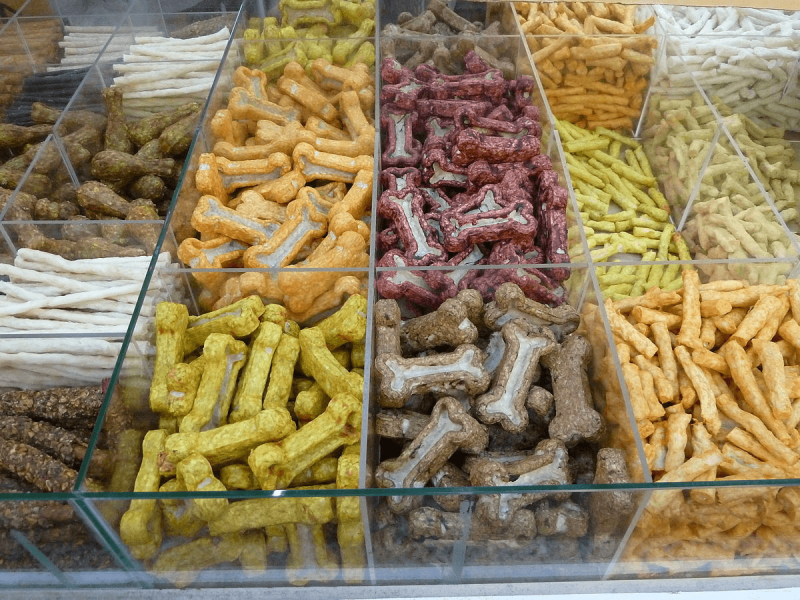
Credit: Deror Avi via CC-BY-SA-3.0

As managing director of British startup Yora Pet Foods, [Glenn] Rankinโ€™s job is figuring out how to lure dogs โ€” or at least, their grocery-shopping owners โ€” away from traditional pet fare that contains animal meat. His companyโ€™s kibble, made from black soldier fly larvae, โ€œtastes a bit like Stilton [cheese] on biscuits.โ€ (Gizmo, Rankinโ€™s five-year-old labrador, who switched from chicken-based pet food to an insect-based diet in 2020, was unable to comment.)

Follow the latest news and policy debates on sustainable agriculture, biomedicine, and other ‘disruptive’ innovations. Subscribe to our newsletter.

Bugs arenโ€™t the only option on the menu. Shortly after Wild Earth co-founder Ryan Bethencourt introduced his plant-based dog food on US reality showย Shark Tankย in 2019, โ€œI got death threats,โ€ he says. The overwhelming theme of the feedback, including from the showโ€™s judges, was that dogs need to eat meat. Billionaire entrepreneur Mark Cubanย was the only โ€œSharkโ€ to invest in Wild Earth, โ€œbettingโ€ $550,000 in exchange for a 10% stake.

Shannon Falconer, co-founder of Vienna-based Because Animals, knows all about skeptical consumers. The startup, which employs people in Austria and the US, once created yeast-based cookies for dogs and supplements made from probiotics for cats, but neither product took off with pet owners. So Falconer decided to apply her biochemistry background to a different solution: making meat-based pet food, but growing that meat from animal cells in a bioreactor. First up, mice.


This is an excerpt. Read the original post here

{{ reviewsTotal }}{{ options.labels.singularReviewCountLabel }}
{{ reviewsTotal }}{{ options.labels.pluralReviewCountLabel }}
{{ options.labels.newReviewButton }}
{{ userData.canReview.message }}

Related Articles

Infographic: Global regulatory and health research agencies on whether glyphosate causes cancer

Infographic: Global regulatory and health research agencies on whether glyphosate causes cancer

Does glyphosateโ€”the world's most heavily-used herbicideโ€”pose serious harm to humans? Is it carcinogenic? Those issues are of both legal and ...

Most Popular

Screenshot-2026-04-22-at-12.21.32-PM
Viewpoint: Why the retracted Monsanto glyphosate study doesnโ€™t change the scienceโ€”the worldโ€™s most popular herbicide is safeย 
Picture1
The FDA couldnโ€™t find a vaccine safety crisis, so it buried its own research
ChatGPT-Image-May-1-2026-11_42_59-AM-2
Viewpoint: NAD is the wellness grifters latest evidence-lite longevity fad. At least the mice are impressed.
ChatGPT-Image-Apr-16-2026-02_56_53-PM
Financial incentives, over diagnosis, and weak oversight: Autism claims are driving up Medicare costs
global warming
โ€˜Implausibleโ€™: Top climate scientists reject worst-case scenarioโ€”soaring temperatures and fast-rising sea levels
ChatGPT-Image-May-12-2026-11_27_01-AM-2
AI likely to improve health care, research showsโ€”but not for blacks and ethnic minorities
ChatGPT-Image-May-7-2026-01_23_27-PM-2
Viewpoint: Will AI democratize personalized cancer treatment or fuel medical misinformation?

Sorry. No data so far.

glp menu logo outlined

Get news on human & agricultural genetics and biotechnology delivered to your inbox.