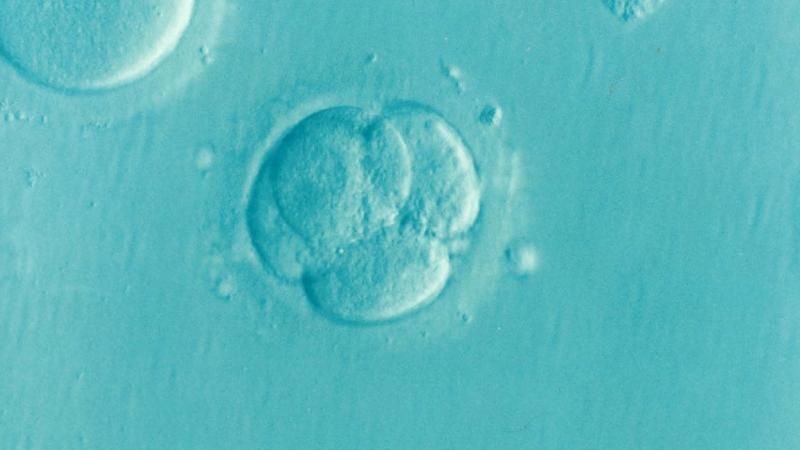
No need for sperm or eggs: Scientists have created synthetic human embryos using stem cells

human embryo
Credit: Wikimedia Commons (Public Domain)

Scientists have created synthetic human embryos using stem cells, in a groundbreaking advance that sidesteps the need for eggs or sperm.

Scientists say these model embryos, which resemble those in the earliest stages of human development, could provide a crucial window on the impact of genetic disorders and the biological causes of recurrent miscarriage.

However, the work also raises serious ethical and legal issues as the lab-grown entities fall outside current legislation in the UK and most other countries.

The structures do not have a beating heart or the beginnings of a brain, but include cells that would typically go on to form the placenta, yolk sac and the embryo itself.

Follow the latest news and policy debates on sustainable agriculture, biomedicine, and other ‘disruptive’ innovations. Subscribe to our newsletter.

The development highlights how rapidly the science in this field has outpaced the law, and scientists in the UK and elsewhere are already moving to draw up voluntary guidelines to govern work on synthetic embryos. “If the whole intention is that these models are very much like normal embryos, then in a way they should be treated the same,” [Robin] Lovell-Badge said. “Currently in legislation they’re not. People are worried about this.”

There is also a significant unanswered question on whether these structures, in theory, have the potential to grow into a living creature.


This is an excerpt. Read the full article here

{{ reviewsTotal }}{{ options.labels.singularReviewCountLabel }}
{{ reviewsTotal }}{{ options.labels.pluralReviewCountLabel }}
{{ options.labels.noReviewsLabel }}
{{ options.labels.newReviewButton }}
{{ userData.canReview.message }}

Related Articles

Infographic: Global regulatory and health research agencies on whether glyphosate causes cancer

Infographic: Global regulatory and health research agencies on whether glyphosate causes cancer

Does glyphosate—the world's most heavily-used herbicide—pose serious harm to humans? Is it carcinogenic? Those issues are of both legal and ...

Most Popular

ChatGPT-Image-Mar-10-2026-01_39_01-PM
Viewpoint—“Miracle molecule” debunked: Why acemannan supplements don’t work
Screenshot 2025-09-17 at 12.41
Misinformation alert: No, glyphosate use in Canadian forests is not spurring more wildfires
Screenshot 2026-07-11 094410
Growing animal muscle and fat cells inside rice grains and calling it beef: One of numerous genetically engineered products shaking up our ecosystem
ChatGPT-Image-Jun-25-2026-12_23_17-PM
No, Bill Gates did not secretly engineer ticks to promote veganism
Screenshot 2026-07-16 at 8.49
Pete Hegseth’s bizarre Viagra commercial as Trump administration endorses ‘hormone replacement therapy’
Screenshot-2026-07-16-at-11.32.12-AM
Viewpoint: Trump appoints climate change hoax promoter to head influential government policy project

Sorry. No data so far.

glp menu logo outlined

Get news on human & agricultural genetics and biotechnology delivered to your inbox.