‘Last of Us’ in real life? Drug-resistant ‘super fungus’ lurking in the Himalayan mountains

Drug-resistant ‘Last of US’ like ‘super fungus’ lurking in the Himalayan mountains
Credit: Pixabay/ illuvis

Researchers have discovered a drug-resistant super fungus in one of the most remote corners of the Earth. This finding from a disturbing new study raises fears of a widespread disease outbreak capable of making millions sick.

Follow the latest news and policy debates on sustainable agriculture, biomedicine, and other ‘disruptive’ innovations. Subscribe to our newsletter.

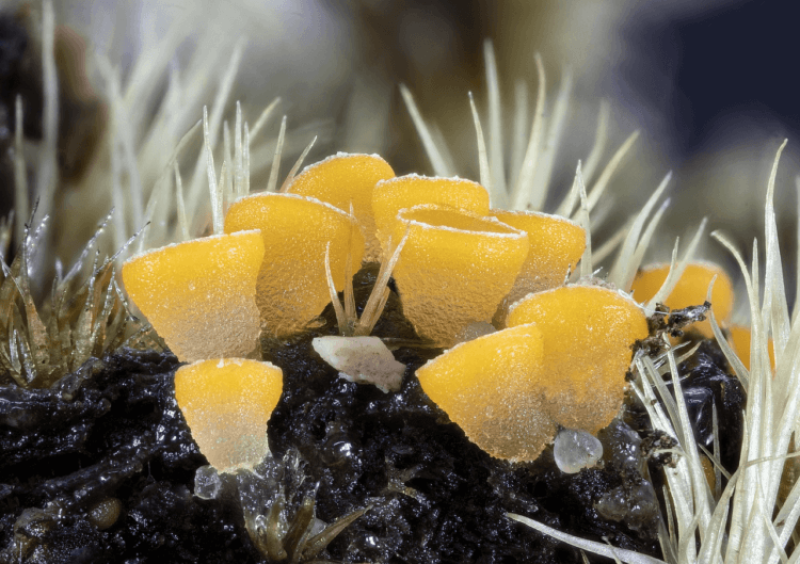
Researchers collected the disease-causing super fungus, Aspergillus fumigatus, from the Three Parallel Rivers region in Yunnan, China. A staggeringly beautiful yet remote part of the world, this region perches 6,000 meters above sea level. It is cloaked by the towering, icy peaks of the Eastern Himalayas.

Few people live here, and there’s minimal development. Yet this is where the research team discovered the drug-resistant super fungus strains. Seven percent of the Aspergillus fumigatus samples collected there were drug resistant.

Most people inhale Aspergillus fumigatus spores every day without getting sick. However, in individuals with weakened immune systems, such as those with leukemia, organ transplant recipients, or those with AIDS, this fungus can cause a variety of diseases.

Invasive aspergillosis is the most severe disease caused by Aspergillus fumigatus. This is a rapidly progressive, often fatal disease affecting primarily the lungs. However, it can also spread to other parts of the body.


This is an excerpt. Read the full article here

{{ reviewsTotal }}{{ options.labels.singularReviewCountLabel }}
{{ reviewsTotal }}{{ options.labels.pluralReviewCountLabel }}
{{ options.labels.newReviewButton }}
{{ userData.canReview.message }}

Related Articles

Infographic: Global regulatory and health research agencies on whether glyphosate causes cancer

Infographic: Global regulatory and health research agencies on whether glyphosate causes cancer

Does glyphosate—the world's most heavily-used herbicide—pose serious harm to humans? Is it carcinogenic? Those issues are of both legal and ...

Most Popular

ChatGPT-Image-May-7-2026-12_32_36-PM
Viewpoint: The state of U.S. vaccine policy? Dismal nationally, but some states are stepping up.
Screenshot-2026-04-13-at-1.39.26-PM
Viewpoint: ‘Safer for children?’ Stonyfield yogurt under fire for deceptive organic marketing
Screenshot-2026-04-22-at-10.46.29-AM
Viewpoint: How to counter science disinformation? Science journalist offers 12 practical tips
ChatGPT-Image-May-7-2026-12_16_37-PM-2
Viewpoint: Are cancer rates ‘skyrocketing’ as RFK, Jr. and MAHA claim? The evidence says mostly the opposite
the magic of mRNA
Viewpoint: Anti-vax fake ‘turbo cancer’ claims threaten cancer treatment breakthroughs
ChatGPT-Image-May-7-2026-01_23_27-PM-2
Viewpoint: Will AI democratize personalized cancer treatment or fuel medical misinformation?
Defense_Secretary_Ash_Carter_tours_the_Microsoft_Cybercrime_Center_in_Seattle_March_3_2016
How criminals are using AI to target social media users and steal their money and confidential data
ChatGPT-Image-May-12-2026-08_39_41-PM
GLP podcast: Big Pharma, Big Ag, Big Food—health harming industries or life-saving innovators?
artificial intelligence brain think illustration md
Viewpoint — Digital gods and human extinction: Will we be the first species ever to design our own descendants?
Screenshot-2026-04-23-at-11.00.36-AM
Regulators' dilemma: Thalidomide, Metformin, and the cost of getting drug approvals wrong
Picture1-1
Cooling the planet with balloons: Could a geoengineering gamble slow global warming?
RFKjr-Tech-Vax-Misinfo
As U.S. officials spread medical misinformation, scientists fact check online
glp menu logo outlined

Get news on human & agricultural genetics and biotechnology delivered to your inbox.