‘More than just eating bugs’: Future proteins made from fungi, algae, and bacteria offer sustainable alternatives to current global diet

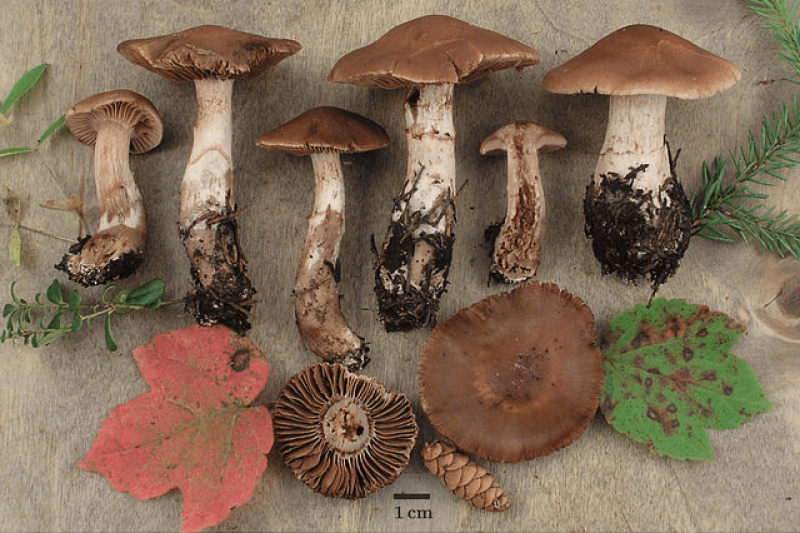
Plant-based and insect-based protein aren't the only alternative proteins around. Credit: Liimatainen Niskanen and MycoKeys via CC-BY-3.0

Would you eat a burger enriched with mealworms? Fake bacon sliced from a mass of fermented fungi? Milk proteins extruded by microbes? Maybe you already have. Dozens of companies are now banking on these alternatives to animal protein becoming a regular part of your diet.

Follow the latest news and policy debates on sustainable agriculture, biomedicine, and other ‘disruptive’ innovations. Subscribe to our newsletter.

In the past few decades, there has been an explosion of plant-based meat imitators from companies including Impossible Foods, Beyond Meat, Gardein and more. Most are still niche products. The Good Food Institute, a non-profit organization based in Washington DC, reports that sales of plant-based alternatives to meat and fish totalled US$6.1 billion in 2022. That is an 8% increase from 2021, it notes, but still a tiny proportion of the multitrillion-dollar market for animal products.

Now the market is widening to encompass all kinds of alternatives, from insects to microbes. These proteins could have an important role in making food more efficient and environmentally friendly for both humans and animals. Researchers and manufacturers are joining the hunt for the protein of the future, all hoping to overcome the challenge of cost — and the whims of taste.


This is an excerpt. Read the original post here

{{ reviewsTotal }}{{ options.labels.singularReviewCountLabel }}
{{ reviewsTotal }}{{ options.labels.pluralReviewCountLabel }}
{{ options.labels.newReviewButton }}
{{ userData.canReview.message }}

Related Articles

Infographic: Global regulatory and health research agencies on whether glyphosate causes cancer

Infographic: Global regulatory and health research agencies on whether glyphosate causes cancer

Does glyphosate—the world's most heavily-used herbicide—pose serious harm to humans? Is it carcinogenic? Those issues are of both legal and ...

Most Popular

Picture1
The FDA couldn’t find a vaccine safety crisis, so it buried its own research
Screenshot-2026-04-22-at-12.21.32-PM
Viewpoint: Why the retracted Monsanto glyphosate study doesn’t change the science—the world’s most popular herbicide is safe 
ChatGPT-Image-May-7-2026-12_32_36-PM
Viewpoint: The state of U.S. vaccine policy? Dismal nationally, but some states are stepping up.
Screenshot-2026-05-19-at-11.23.34-AM
West-originated vaccine disinformation sparks murders of health care workers across Africa
_20250221_nib_rfk_trump
Viewpoint: 'Crisis of public trust': Autism support community shocked RFK continues to peddle false claims about the danger of vaccines
placebo
Viewpoint — Alternative medicine and the placebo effect: Selling a reassuring illusion of health
ChatGPT-Image-May-18-2026-01_45_05-PM-2
Newest hantavirus conspiracy: Online disinformation turns outbreak into latest ivermectin grift
ChatGPT-Image-May-18-2026-12_06_18-PM-2
Defying death: The immortality movement goes mainstream
Screenshot-2026-04-13-at-1.39.26-PM
Viewpoint: ‘Safer for children?’ Stonyfield yogurt under fire for deceptive organic marketing
Defense_Secretary_Ash_Carter_tours_the_Microsoft_Cybercrime_Center_in_Seattle_March_3_2016
How criminals are using AI to target social media users and steal their money and confidential data
glp menu logo outlined

Get news on human & agricultural genetics and biotechnology delivered to your inbox.