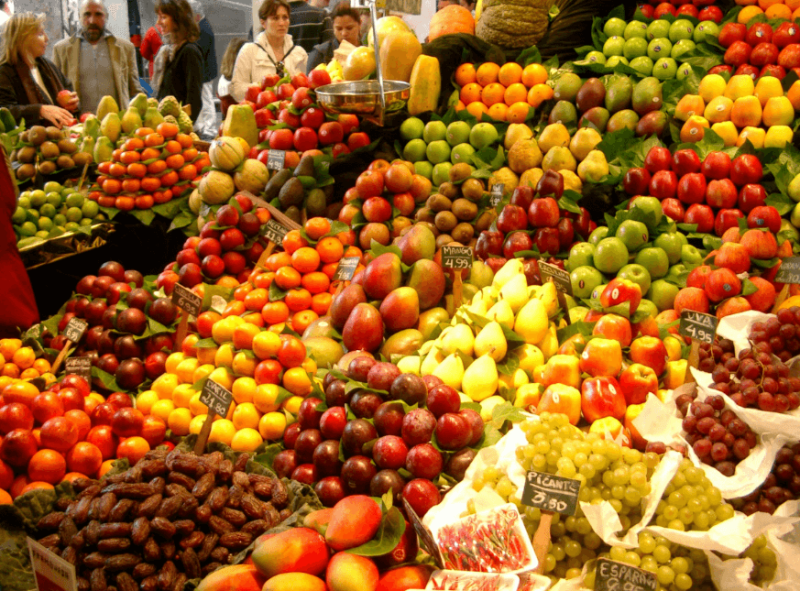
Americans’ top 10 favorite genetically-modified foods

Credit: PxHere via CC0-1.0

To compile our list of the 10 most consumed genetically modified crops in the US, we decided to use data by the U.S. Food and Drug Administration (FDA), which tracks GMO consumption in the United States. We decided to use data by the U.S. Department of Agriculture to ascertain the acreage of each crop attributed to their genetically modified variety.

Follow the latest news and policy debates on sustainable agriculture, biomedicine, and other ‘disruptive’ innovations. Subscribe to our newsletter.

10. Papaya

Genetically modified papayas were first produced in the U.S. in 1996. Since then, they have been extremely popular in the country. The genetically modified papayas are known to be resistant to ringspot virus. This type of papaya was initially developed by a scientist in Cornell University and is majorly produced in Hawaii.

9. Squash

Genetically modified squash is one of the most consumed genetically modified crops in the US. Zucchini and yellow summer squash have been produced and used in the U.S. since around 1994 to 1996… Genetically modified squash is produced for resistance to specific plant diseases, including zucchini yellow mosaic virus and watermelon mosaic virus.

8. Apples

Genetically modified apples have been extremely popular in the U.S., especially because the genetic modification of the DNA prevents the browning of an apple, even after it has been sliced. The Food and Drug Administration  (FDA) has approved genetically modified apples and have termed them to be safe to eat.

7. Potatoes

Fairly recently, the United States started the production of genetically modified potatoes. This variant of potatoes is resistant to bruising and producing a lesser amount of a cancer-causing chemical, called acrylamide.


This is an excerpt. Read the original post here

{{ reviewsTotal }}{{ options.labels.singularReviewCountLabel }}
{{ reviewsTotal }}{{ options.labels.pluralReviewCountLabel }}
{{ options.labels.newReviewButton }}
{{ userData.canReview.message }}

Related Articles

Infographic: Global regulatory and health research agencies on whether glyphosate causes cancer

Infographic: Global regulatory and health research agencies on whether glyphosate causes cancer

Does glyphosate—the world's most heavily-used herbicide—pose serious harm to humans? Is it carcinogenic? Those issues are of both legal and ...

Most Popular

ChatGPT-Image-Apr-20-2026-11_17_18-AM-2
10,000 scientists gone: Trump’s cuts create an unprecedented brain drain
ChatGPT-Image-Apr-23-2026-09_20_20-PM
Kennedy’s CDC blocks publication of study that shows vaccines reduce hospitalizations by 50%, then misrepresents why
Screenshot-2026-04-13-at-3.54.04-PM
AI disinformation stress test: Challenges and response strategies
ChatGPT-Image-Apr-22-2026-04_31_20-PM
‘Irresponsible decision’? On mandatory military flu shots, Hegseth chooses ‘freedom’ over health
ChatGPT-Image-Apr-20-2026-12_28_36-PM
Vaccine skepticism is a growing global problem
images
The never-ending GMO debate: Pros and cons
ChatGPT-Image-Mar-11-2026-11_58_46-AM
The Trump administration has run out more than 4,000 National Institutes of Health employees. Here are the consequences
Screenshot-2026-04-22-at-4.10.32-PM
Viewpoint — ‘Completely unethical’: RFK, Jr.’s medical ignorance deprives melanoma cancer-sufferers of a life-saving therapy
ChatGPT-Image-Apr-17-2026-03_30_52-PM
Food labels, decoded: What they really mean
ChatGPT-Image-Feb-16-2026-01_04_32-PM
Raw milk myth wake-up call
Screenshot-2026-04-15-at-1.22.58-PM
Anti-biotechnology activists smear hybrid wheat breakthrough that could surge yields in poorer countries
ChatGPT-Image-Mar-2-2026-03_22_54-PM
Why ‘support supplements’ for GLP-1 users are mostly a waste of money
glp menu logo outlined

Get news on human & agricultural genetics and biotechnology delivered to your inbox.