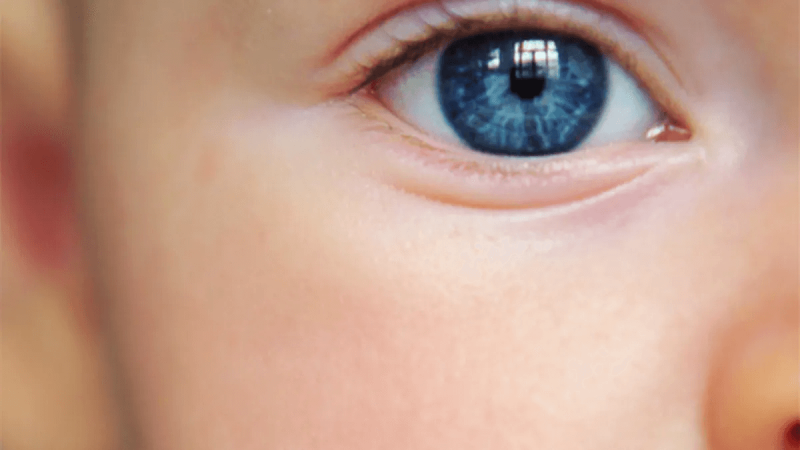
The future creeps closer: While two-thirds of Americans say they’d pick an embryo based on genetic profiling, some concerns escalate

baby
Credit: Vincent van der Pas (CC BY-SA 2.0)

Say you’re about to start in vitro fertilization and your clinic offers you a futuristic new option: It can analyze the DNA of the embryos you conceive and let you choose which one to implant based on their genes.

No guarantees, but you can shoot for the best odds that a future baby will be as genetically healthy as current science can ascertain, with lower risks for common diseases like diabetes and cancer. Sound good?

About two thirds of Americans would say it does, recent Harvard research suggests. Nearly one third of those surveyed even say they would consider going through IVF for the sole purpose of such genetic screening.

Follow the latest news and policy debates on sustainable agriculture, biomedicine, and other ‘disruptive’ innovations. Subscribe to our newsletter.

At issue is the idea that historically, the evil of eugenics “was that it was forced on people,” says Harvard Law School bioethicist Glenn Cohen, referring not only to Nazi atrocities but also to coerced sterilization in the United States and elsewhere. The defenders of genetic selection of IVF embryos, however, point out that this involves “private choice by private individuals,” as Cohen summarizes the position.


This is an excerpt. Read the full article here

{{ reviewsTotal }}{{ options.labels.singularReviewCountLabel }}
{{ reviewsTotal }}{{ options.labels.pluralReviewCountLabel }}
{{ options.labels.newReviewButton }}
{{ userData.canReview.message }}

Related Articles

Infographic: Global regulatory and health research agencies on whether glyphosate causes cancer

Infographic: Global regulatory and health research agencies on whether glyphosate causes cancer

Does glyphosate—the world's most heavily-used herbicide—pose serious harm to humans? Is it carcinogenic? Those issues are of both legal and ...

Most Popular

Screenshot-2026-04-22-at-12.21.32-PM
Viewpoint: Why the retracted Monsanto glyphosate study doesn’t change the science—the world’s most popular herbicide is safe 
Picture1
The FDA couldn’t find a vaccine safety crisis, so it buried its own research
ChatGPT-Image-May-1-2026-11_42_59-AM-2
Viewpoint: NAD is the wellness grifters latest evidence-lite longevity fad. At least the mice are impressed.
ChatGPT-Image-May-7-2026-01_23_27-PM-2
Viewpoint: Will AI democratize personalized cancer treatment or fuel medical misinformation?
global warming
‘Implausible’: Top climate scientists reject worst-case scenario—soaring temperatures and fast-rising sea levels
vax-misinformation-main
Facts & Fallacies Podcast: Limit free speech to blunt social media misinfo?
ChatGPT-Image-Apr-16-2026-02_56_53-PM
Financial incentives, over diagnosis, and weak oversight: Autism claims are driving up Medicare costs
Screenshot-2026-05-21-at-12.15.17-PM
UK gene-editing milestone: Livestock barley that increases ruminant value and reduces methane emissions is first-approved CRISPR crop
Screenshot-2026-05-21-at-3.15.53-PM
Chiropractors may no longer be modern-day snake oil salesmen, but the benefits of their therapy are limited–at best
ChatGPT-Image-May-12-2026-11_27_01-AM-2
AI likely to improve health care, research shows—but not for blacks and ethnic minorities
glp menu logo outlined

Get news on human & agricultural genetics and biotechnology delivered to your inbox.