Viewpoint — Part III: Claimed side-effects of GM crops from GMO corn rebuked by scientists

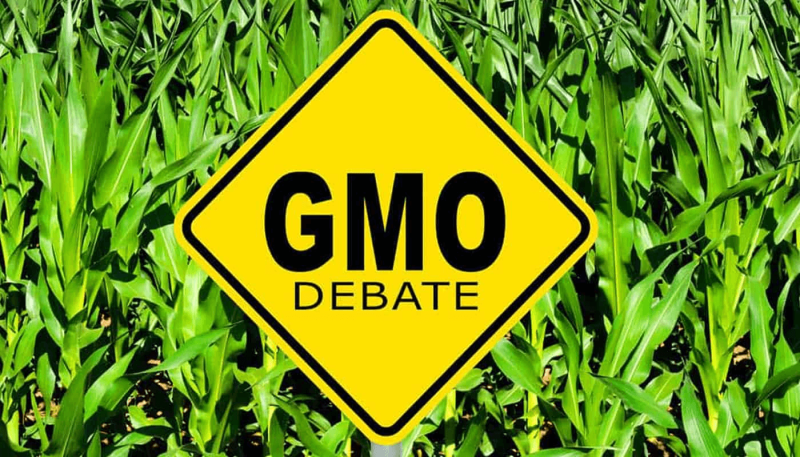
gmo good or bad debate
Credit: DebateWise

In their crusade against PBR-Cowpea, anti-GM activists cite articles written by Vendomes et al. (2009)… and an article published by Finamore et al. (2008) about the health hazard of the Cry 1Ab protein [found in PBR cowpeas]. According to these articles, Cry 1Ab causes cancer and damages kidneys, alters the immune response, etc.

In 2010, the European Food Safety Agency (EFSA) reviewed and deliberated on the article published by de Vendomes et al. (2009). EFSA found many basic shortcomings or deficiencies in the article. EFSA therefore rejected the claims made by de Vedomois and coworkers regarding the mammalian toxicity of the GM maize.

Follow the latest news and policy debates on sustainable agriculture, biomedicine, and other ‘disruptive’ innovations. Subscribe to our newsletter.

The GMO Panel concludes that the authors’ claims, regarding new side effects indicating kidney and liver toxicity are not supported by the data provided in their paper. There is no new information that would lead it to reconsider its previous opinions on the three maize events MON810, MON863 and NK603 which concluded that there were no indications of adverse effects for human, animal health and the environment

Thus, according to EFSA GMO panel, de Vendomois et al. failed to do a good statistical analysis of their data, more importantly they misinterpreted the data (that is the authors are saying what the data did not suggest). In plain English, this means that the paper has a very low scientific value.

[Editor’s note: This is part three of a series. Read part one, part two, part four, and part five here.]


This is an excerpt. Read the original post here

{{ reviewsTotal }}{{ options.labels.singularReviewCountLabel }}
{{ reviewsTotal }}{{ options.labels.pluralReviewCountLabel }}
{{ options.labels.noReviewsLabel }}
{{ options.labels.newReviewButton }}
{{ userData.canReview.message }}

Related Articles

Infographic: Global regulatory and health research agencies on whether glyphosate causes cancer

Infographic: Global regulatory and health research agencies on whether glyphosate causes cancer

Does glyphosate—the world's most heavily-used herbicide—pose serious harm to humans? Is it carcinogenic? Those issues are of both legal and ...

Most Popular

Screenshot-2026-07-09-at-1.09.25-PM
Anti-vaccine myths rattle health care
ChatGPT-Image-Mar-10-2026-01_39_01-PM
Viewpoint—“Miracle molecule” debunked: Why acemannan supplements don’t work
ChatGPT-Image-Jul-10-2026-12_21_03-PM
Viewpoint: Is there new evidence that the animal deworming drug ivermectin decreases the risk of Covid and cancer? Don’t waste your money.
Picture1
Hiroshima at 81: America’s new nuclear bomb, a buried Iranian target, and a question no one wants to ask
ChatGPT-Image-Jun-25-2026-12_23_17-PM
No, Bill Gates did not secretly engineer ticks to promote veganism
Screenshot-2026-07-30-at-3.07.42-PM
Controversy over WNBA star Sophie Cunningham’s comment opposing trans females in women’s sports reinvigorates the culture wars
leeteam
How Kennedy and his family could pocket millions from Merck’s $50 million vaccine injury settlement that he oversaw
Screenshot-2026-07-30-at-2.30.35-PM
Climate scientists claim conservative activists are promoting ‘lies’ that Europe’s summer heatwaves are far from unusual

Sorry. No data so far.

glp menu logo outlined

Get news on human & agricultural genetics and biotechnology delivered to your inbox.