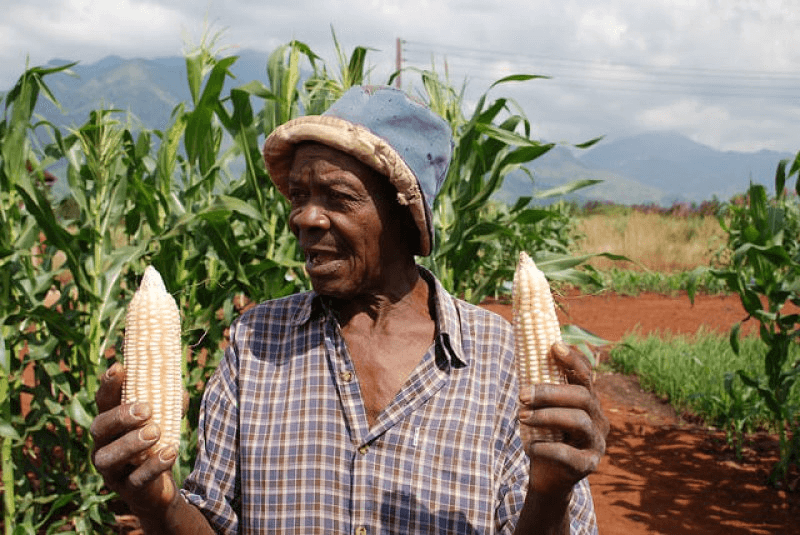
Only 11 of 54 African countries grow genetically engineered crops. This study explains why and offers guidance on how to increase acceptance

african farmer pe xl sux ivf qpgir o mipjk buolepwapghd
Credit: Anne Wangalachi/CIMMYT

Adoption of GM crops has been extremely slow in African countries; only eleven of the fifty-four have current approved their cultivation.

An intricate narrative surrounding the acceptance of GM crops in Africa has been shaped by worries about the ecosystem, unforeseen outcomes, and moral implications. A sophisticated grasp of socioeconomic dynamics, open communication, and flexible regulatory frameworks are necessary to navigate this evolution. The adoption of GM crops in Africa has followed a trajectory that strikes a balance between the benefits and drawbacks, mirroring the larger global conversation about using biotechnology to promote fair and sustainable farming methods.


Follow the latest news and policy debates on sustainable agriculture, biomedicine, and other ‘disruptive’ innovations. Subscribe to our newsletter.

Addressing public concerns about GM crops should be a top priority for African stakeholders, researchers, and policymakers through open and honest communication. Building trust and fostering understanding can be accomplished through inclusive dialog… Lawmakers ought to place a strong emphasis on creating regulations that are tailored to the unique circumstances and values of the local community. Prioritizing research should go toward evaluating how GM crops affect ecosystems and conventional farming methods over the long run.

kgmc a f oc
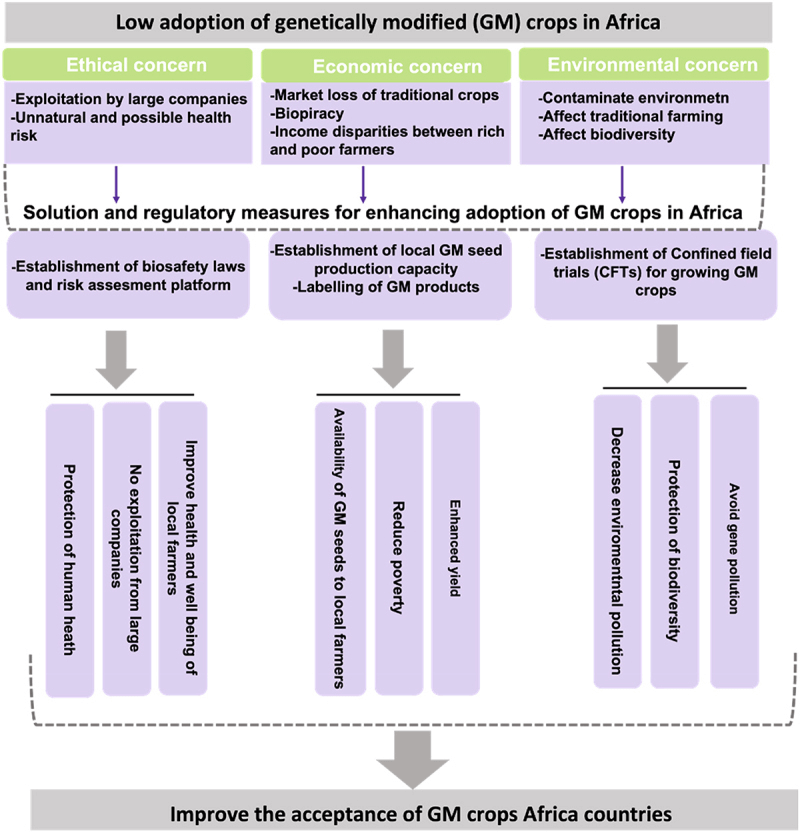
Possible solutions for factors affecting the acceptability of genetically modified (GM) crops in Africa.

This is an excerpt. Read the original post here

{{ reviewsTotal }}{{ options.labels.singularReviewCountLabel }}
{{ reviewsTotal }}{{ options.labels.pluralReviewCountLabel }}
{{ options.labels.newReviewButton }}
{{ userData.canReview.message }}

Related Articles

Infographic: Global regulatory and health research agencies on whether glyphosate causes cancer

Infographic: Global regulatory and health research agencies on whether glyphosate causes cancer

Does glyphosate—the world's most heavily-used herbicide—pose serious harm to humans? Is it carcinogenic? Those issues are of both legal and ...

Most Popular

ChatGPT-Image-May-7-2026-12_16_37-PM-2
Viewpoint: Are cancer rates ‘skyrocketing’ as RFK, Jr. and MAHA claims? The evidence says mostly the opposite
Screenshot-2026-04-13-at-1.39.26-PM
Viewpoint: ‘Safer for children?’ Stonyfield yogurt under fire for deceptive organic marketing
Screenshot-2026-04-22-at-10.46.29-AM
Viewpoint: How to counter science disinformation? Science journalist offers 12 practical tips
png-pill-omega-Supp-fish-oil
Millions take omega-3 fish oil for brain health. New research suggests it may do the opposite.

Sorry. No data so far.

glp menu logo outlined

Get news on human & agricultural genetics and biotechnology delivered to your inbox.