Viewpoint: ‘Real IVF industry regulation is long overdue. But consumer protection is not enough’

dish

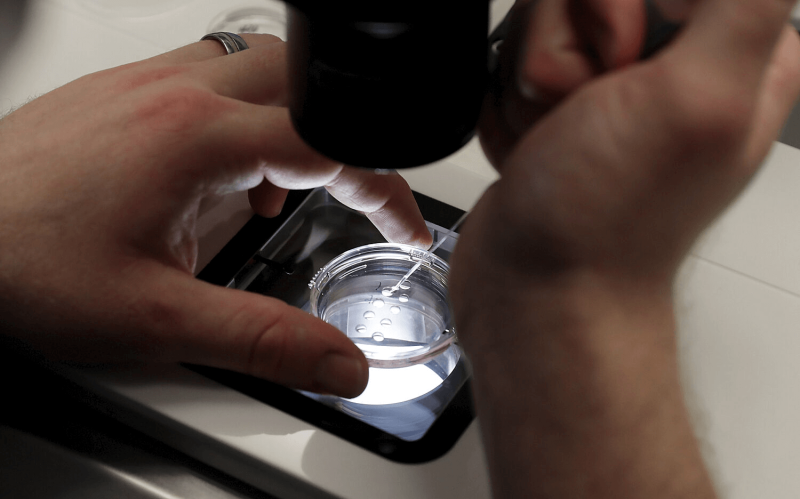
For the first time since the Bush-era stem cell debates, reproductive technology has taken center stage in American politics. An Alabama Supreme Court decision in February granted parents the right to legal recourse after their embryos were destroyed due to neglect by a fertility clinic, sparking a national debate about the laws governing in vitro fertilization, the technology used to create the embryos.

Follow the latest news and policy debates on sustainable agriculture, biomedicine, and other ‘disruptive’ innovations. Subscribe to our newsletter.

Taken together, the fight over these legal efforts may seem like a petty matter. Why should policymakers oppose the creation of children, especially when so many infertile people want to become parents? But the stakes are high. IVF and other reproductive technologies enable the creation and manipulation of human life itself. Such technologies should receive the highest level of scrutiny and not be left to the self-regulation of a financially driven industry.

The current consumer model of IVF regulation, in the absence of strong ethical boundaries, is a troubling precedent for emerging reproductive technologies that will likely arrive in the coming decades. In vitro gametogenesis is a novel procedure in which scientists reprogram any cell into viable egg or sperm, allowing any single individual or any group of individuals to become genetic “parents” of a child. In 2016, Japanese researchers made history by conceiving mice from genetically modified skin cells. Experts estimate that the procedure may become available for human use within ten to twenty years.


This is an excerpt. Read the original post here

{{ reviewsTotal }}{{ options.labels.singularReviewCountLabel }}
{{ reviewsTotal }}{{ options.labels.pluralReviewCountLabel }}
{{ options.labels.newReviewButton }}
{{ userData.canReview.message }}

Related Articles

Infographic: Global regulatory and health research agencies on whether glyphosate causes cancer

Infographic: Global regulatory and health research agencies on whether glyphosate causes cancer

Does glyphosate—the world's most heavily-used herbicide—pose serious harm to humans? Is it carcinogenic? Those issues are of both legal and ...

Most Popular

Picture1
The FDA couldn’t find a vaccine safety crisis, so it buried its own research
Screenshot-2026-04-22-at-12.21.32-PM
Viewpoint: Why the retracted Monsanto glyphosate study doesn’t change the science—the world’s most popular herbicide is safe 
ChatGPT-Image-May-7-2026-12_32_36-PM
Viewpoint: The state of U.S. vaccine policy? Dismal nationally, but some states are stepping up.
Screenshot-2026-05-19-at-11.23.34-AM
West-originated vaccine disinformation sparks murders of health care workers across Africa
_20250221_nib_rfk_trump
Viewpoint: 'Crisis of public trust': Autism support community shocked RFK continues to peddle false claims about the danger of vaccines
placebo
Viewpoint — Alternative medicine and the placebo effect: Selling a reassuring illusion of health
ChatGPT-Image-May-18-2026-01_45_05-PM-2
Newest hantavirus conspiracy: Online disinformation turns outbreak into latest ivermectin grift
ChatGPT-Image-May-18-2026-12_06_18-PM-2
Defying death: The immortality movement goes mainstream
Screenshot-2026-04-13-at-1.39.26-PM
Viewpoint: ‘Safer for children?’ Stonyfield yogurt under fire for deceptive organic marketing
Defense_Secretary_Ash_Carter_tours_the_Microsoft_Cybercrime_Center_in_Seattle_March_3_2016
How criminals are using AI to target social media users and steal their money and confidential data
glp menu logo outlined

Get news on human & agricultural genetics and biotechnology delivered to your inbox.