Bayer begins push for nationwide legislative protection against what it believes are unfair suits against needed crop protection tools like glyphosate

Credit: Bloomberg
Credit: Bloomberg

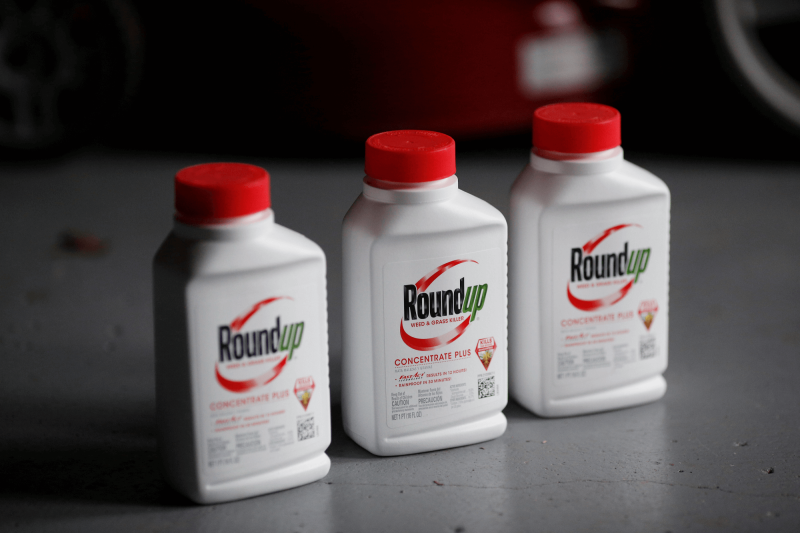
After failing in several U.S. states this year, global chemical manufacturer Bayer said [May 21] that it plans to amplify efforts to create a legal shield against a proliferation of lawsuits alleging it failed to warn that its popular weedkiller could cause cancer.

Bayer, which disputes the cancer claims, has been hit with about 170,000 lawsuits involving its Roundup weedkiller and has set aside $16 billion to settle cases. But the company contends the legal fight “is not sustainable” and is looking to state lawmakers for relief.

Bayer lobbied for legislation that could have blocked a central legal argument this year in Missouri, Iowa and Idaho — home, respectively, to its North America crop science division, a Roundup manufacturing facility and the mines from which its key ingredient is derived. Though bills passed at least one chamber in Iowa and Missouri, they ultimately failed in all three states.

But Bayer plans a renewed push during next year’s legislative sessions and may expand efforts elsewhere.

Follow the latest news and policy debates on sustainable agriculture, biomedicine, and other ‘disruptive’ innovations. Subscribe to our newsletter.

The legislation backed by Bayer would protect pesticide companies from claims they failed to warn their products could cause cancer if their labels otherwise comply with EPA regulations.

Some lawmakers have raised concerns that if the lawsuits persist, Bayer could pull Roundup from the U.S. market, forcing famers to turn to alternatives from China.

Legal experts say protective legislation is unlikely to affect existing lawsuits. But it could limit future claims.


This is an excerpt. Read the original post here

{{ reviewsTotal }}{{ options.labels.singularReviewCountLabel }}
{{ reviewsTotal }}{{ options.labels.pluralReviewCountLabel }}
{{ options.labels.newReviewButton }}
{{ userData.canReview.message }}

Related Articles

Infographic: Global regulatory and health research agencies on whether glyphosate causes cancer

Infographic: Global regulatory and health research agencies on whether glyphosate causes cancer

Does glyphosate—the world's most heavily-used herbicide—pose serious harm to humans? Is it carcinogenic? Those issues are of both legal and ...

Most Popular

Screenshot-2026-04-22-at-12.21.32-PM
Viewpoint: Why the retracted Monsanto glyphosate study doesn’t change the science—the world’s most popular herbicide is safe 
Picture1
The FDA couldn’t find a vaccine safety crisis, so it buried its own research
ChatGPT-Image-May-1-2026-11_42_59-AM-2
Viewpoint: NAD is the wellness grifters latest evidence-lite longevity fad. At least the mice are impressed.
global warming
‘Implausible’: Top climate scientists reject worst-case scenario—soaring temperatures and fast-rising sea levels
Screenshot-2026-05-21-at-12.15.17-PM
UK gene-editing milestone: Livestock barley that increases ruminant value and reduces methane emissions is first-approved CRISPR crop
ChatGPT-Image-Apr-16-2026-02_56_53-PM
Financial incentives, over diagnosis, and weak oversight: Autism claims are driving up Medicare costs
vax-misinformation-main
Facts & Fallacies Podcast: Limit free speech to blunt social media misinfo?
Screenshot-2026-05-21-at-3.15.53-PM
Chiropractors may no longer be modern-day snake oil salesmen, but the benefits of their therapy are limited–at best
ChatGPT-Image-May-12-2026-11_27_01-AM-2
AI likely to improve health care, research shows—but not for blacks and ethnic minorities
red-meat-cancer-connection-1030x749
Meat sits atop the U.S.-RFK, Jr. food pyramid. How healthy is the carnivore diet?
glp menu logo outlined

Get news on human & agricultural genetics and biotechnology delivered to your inbox.