‘We used to spray 12 times in a year. It is now at most four times’: Kenyan farmers reap benefits of embracing genetically modified pest resistant Bt cotton

Credit: t-mizo via Flickr and CC-BY-2.0

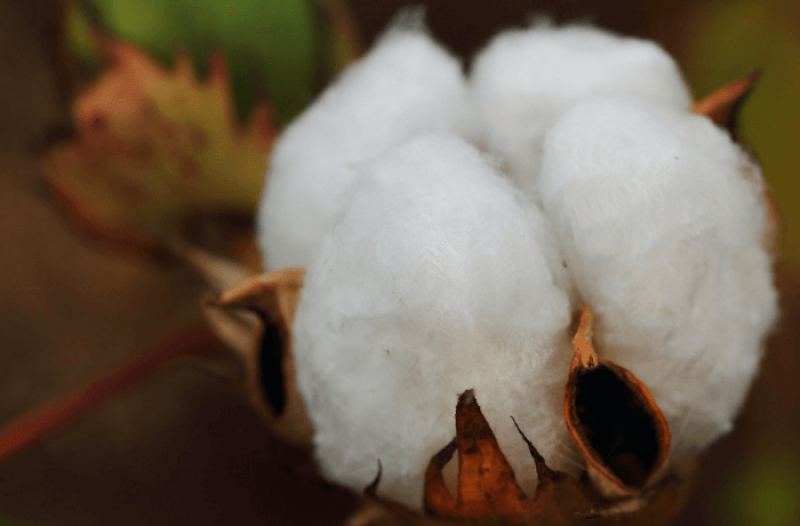
In Embu and Kirinyaga counties, Bacillus thuringiensis (BT) cotton is the most prized arrival since sliced bread.

Daniel Magondu is one of the farmers who decided to try it, and his face lights up when the cameras roll.

“We used to spray 12 times in a year. It is now three times, at most four times. One crop produced ten balls. You see this one?” He pushes a hand beneath leaves to expose bulging buds. “It could give you 200.”

We have to ascertain he is not being overenthusiastic. The other farmers in the field, on this study tour with early career professionals, have even better numbers.

Joseph Nyaga, whose three-acre sprawl of the crop has the finesse of a model farm, pays glowing tribute to the Bt cotton.

“One acre of the old one gave 300 kilos of cotton. Now for every acre, I get one and a half tonnes.” That is five times the yield, and the farmers just won’t give it up.

Follow the latest news and policy debates on sustainable agriculture, biomedicine, and other ‘disruptive’ innovations. Subscribe to our newsletter.

Scientists say the successful adoption of agricultural biotechnology will be a key factor in unlocking Kenya’s full agricultural potential, necessary in the face of climate change, rapidly increasing population, and shrinking arable lands.


This is an excerpt. Read the original post here

{{ reviewsTotal }}{{ options.labels.singularReviewCountLabel }}
{{ reviewsTotal }}{{ options.labels.pluralReviewCountLabel }}
{{ options.labels.newReviewButton }}
{{ userData.canReview.message }}

Related Articles

Infographic: Global regulatory and health research agencies on whether glyphosate causes cancer

Infographic: Global regulatory and health research agencies on whether glyphosate causes cancer

Does glyphosate—the world's most heavily-used herbicide—pose serious harm to humans? Is it carcinogenic? Those issues are of both legal and ...

Most Popular

Picture1
The FDA couldn’t find a vaccine safety crisis, so it buried its own research
Screenshot-2026-04-22-at-12.21.32-PM
Viewpoint: Why the retracted Monsanto glyphosate study doesn’t change the science—the world’s most popular herbicide is safe 
ChatGPT-Image-May-7-2026-12_32_36-PM
Viewpoint: The state of U.S. vaccine policy? Dismal nationally, but some states are stepping up.
placebo
Viewpoint — Alternative medicine and the placebo effect: Selling a reassuring illusion of health
_20250221_nib_rfk_trump
Viewpoint: 'Crisis of public trust': Autism support community shocked RFK continues to peddle false claims about the danger of vaccines
ChatGPT-Image-May-18-2026-01_45_05-PM-2
Newest hantavirus conspiracy: Online disinformation turns outbreak into latest ivermectin grift
ChatGPT-Image-May-18-2026-12_06_18-PM-2
Defying death: The immortality movement goes mainstream
Screenshot-2026-04-13-at-1.39.26-PM
Viewpoint: ‘Safer for children?’ Stonyfield yogurt under fire for deceptive organic marketing
Screenshot-2026-04-22-at-10.46.29-AM
Viewpoint: How to counter science disinformation? Science journalist offers 12 practical tips
Defense_Secretary_Ash_Carter_tours_the_Microsoft_Cybercrime_Center_in_Seattle_March_3_2016
How criminals are using AI to target social media users and steal their money and confidential data
glp menu logo outlined

Get news on human & agricultural genetics and biotechnology delivered to your inbox.