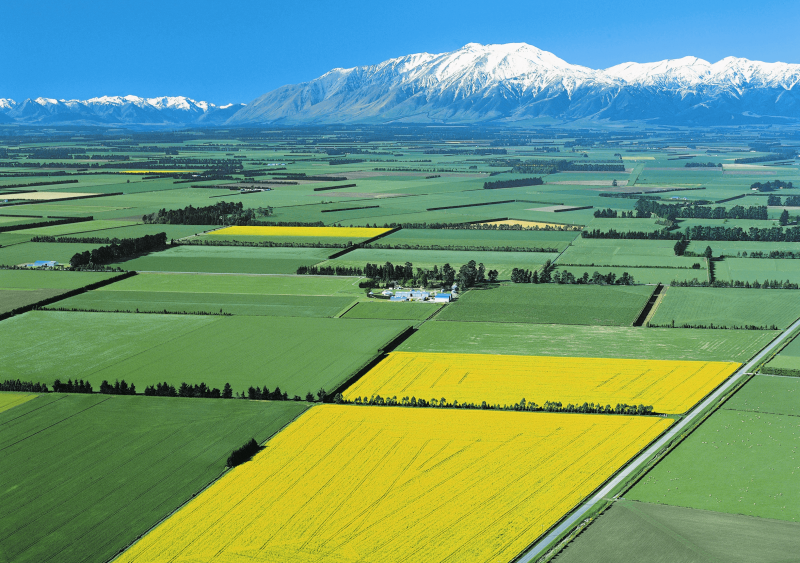
For nearly three decades now, New Zealand has neglected the development of GMO policy and technology. This is neither in the national interest, nor aligned with scientific consensus. New Zealand is an agricultural economy, and GMO is foremost an agricultural technology. By robbing ourselves of the competitive edge it offers, we risk playing an eternal game of catch-up as bolder nations become increasingly productive.
Immediate benefits from liberalisation could include pest-resistant and more productive crops, sterile pines for forestry, reduced carbon emissions, reduced agricultural methane, better healthcare products, predator control, and cheaper medication. Still more benefits will follow as other countries continue to invest in research.
The technology itself has also improved. For instance, genetic engineering (GE) is a new tool in the agricultural scientist’s pocket. GE precisely edits existing genes rather than introducing foreign ones. Its results are often indistinguishable from traditional breeding methods, but faster and more precise. However, GE currently languishes in the same bureaucratic prison as GMO. It is functionally forbidden in New Zealand.

New Zealand stands to gain a much-needed win in liberalising its approach to GMOs. However, any government serious about reform is going to have to bring the doubters along with them.