

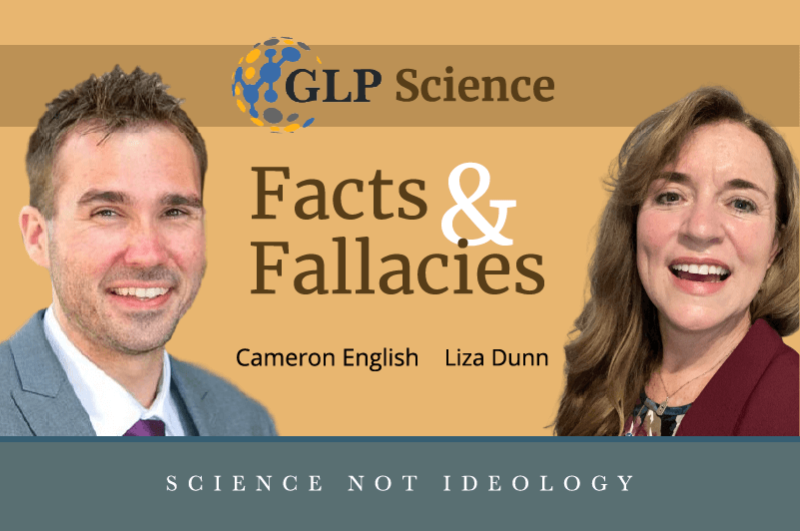
GLP podcast: Can you trust ‘industry-funded’ science?

Listen to GLP Science Facts & Fallacies on iTunes, Spotify, Podbean and YouTube Podcasts. Or add the RSS feed to your favorite podcast app. Join our GLP Daily Digest to get these stories and more delivered to your inbox.

v facts and fallacies cameron and liza default featured image outlined
Popular science news is often shot through with the assumption that industry-funded research is inherently suspect because companies value profits above all else—including scientific integrity. No doubt there are examples from recent history of companies behaving badly–the tobacco industry being the most prominent and offensive example–but these instances are exceptions to a very important rule that generally keeps industry in line: misrepresenting the science behind your products opens you up to costly litigation, regulation and reputational damage that can destroy your company.

Follow the latest news and policy debates on sustainable agriculture, biomedicine, and other ‘disruptive’ innovations. Subscribe to our newsletter.

Indeed even when companies don’t do anything wrong, they can still end up paying billions of dollars to settle legal disputes, as the recent crop of lawsuits brought against baby powder manufacturer Johnson & Johnson illustrated. Nevertheless, we shouldn’t just take it on faith that industry always tells the truth about its products or the research it conducts. And that raises a crucial question: how should we approach industry science?

Join hosts Dr. Liza Dunn and GLP contributor Cameron English on episode 270 of Science Facts and Fallacies as they break down this critical issue from their most recent Twitter Space.

Podcast:

Dr. Liza Dunn is a medical toxicologist and the medical affairs lead at Bayer Crop Science. Follow her on X @DrLizaMD

Cameron J. English is the director of bio-sciences at the American Council on Science and Health. Visit his website and follow him on X @camjenglish
{{ reviewsTotal }}{{ options.labels.singularReviewCountLabel }}
{{ reviewsTotal }}{{ options.labels.pluralReviewCountLabel }}
{{ options.labels.newReviewButton }}
{{ userData.canReview.message }}
Infographic: Global regulatory and health research agencies on whether glyphosate causes cancer

Infographic: Global regulatory and health research agencies on whether glyphosate causes cancer

Does glyphosate—the world's most heavily-used herbicide—pose serious harm to humans? Is it carcinogenic? Those issues are of both legal and ...
glp menu logo outlined

Get news on human & agricultural genetics and biotechnology delivered to your inbox.








