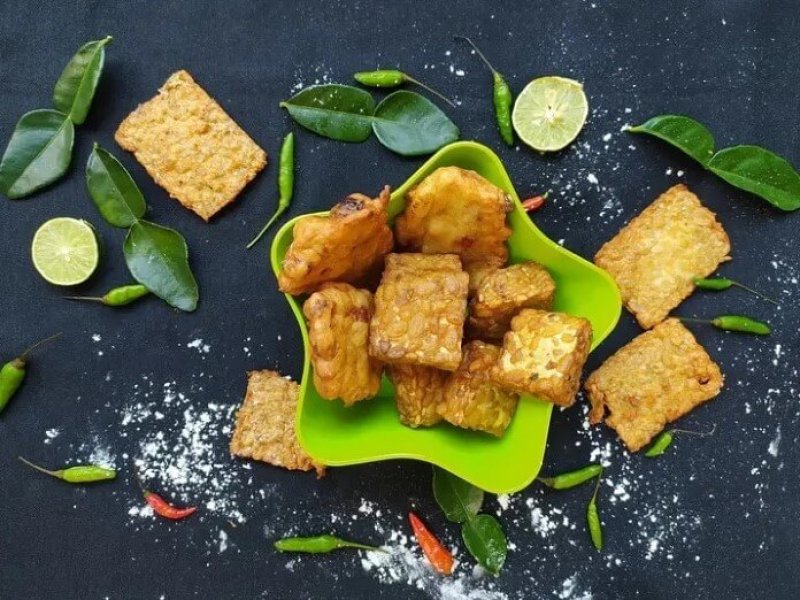
More than 50% of Gen X Americans have never tried tofu or other plant-based proteins. Here’s a strategy to shake up the alt-meat market

Traditional plant based proteins. Credit: Pixabay
[A Dig Insights] poll revealed that 64% of US consumers are looking to increase their protein intake, especially younger demographics. But there’s a gap to fill with older respondents – 60% of Gen Xers, for example, haven’t tried tofu, tempeh or seitan, while 52% have never tried meat analogues either. Meanwhile, for 47% of Americans, finding plant-based meat in the grocery store isn’t easy.

Follow the latest news and policy debates on sustainable agriculture, biomedicine, and other ‘disruptive’ innovations. Subscribe to our newsletter.

However, 91% of Americans who try plant-based protein like the taste and texture and are satisfied with it. This highlights a major perception gap for plant-based meat products, and the need for greater education. Focusing on product samples in retail locations and promotions in restaurants are two of the best ways of doing this.

The survey saw a majority of Americans agree that all plant-based foods should be placed in the same refrigerated section as animal foods, with 69% saying so for meat and 75% for milk. There are two ways of doing this: fully incorporating plant proteins alongside their animal counterparts, or putting them in the same aisle but in a separate subsection – more respondents preferred the latter, although preferences vary based on purchase frequency.

This is an excerpt. Read the original post here

{{ reviewsTotal }}{{ options.labels.singularReviewCountLabel }}
{{ reviewsTotal }}{{ options.labels.pluralReviewCountLabel }}
{{ options.labels.newReviewButton }}
{{ userData.canReview.message }}

Related Articles

Infographic: Global regulatory and health research agencies on whether glyphosate causes cancer

Infographic: Global regulatory and health research agencies on whether glyphosate causes cancer

Does glyphosate—the world's most heavily-used herbicide—pose serious harm to humans? Is it carcinogenic? Those issues are of both legal and ...

Most Popular

ChatGPT-Image-Apr-20-2026-11_17_18-AM-2
10,000 scientists gone: Trump’s cuts create an unprecedented brain drain
ChatGPT-Image-Apr-23-2026-09_20_20-PM
Kennedy’s CDC blocks publication of study that shows vaccines reduce hospitalizations by 50%, then misrepresents why
Screenshot-2026-04-13-at-3.54.04-PM
AI disinformation stress test: Challenges and response strategies
ChatGPT-Image-Apr-22-2026-04_31_20-PM
‘Irresponsible decision’? On mandatory military flu shots, Hegseth chooses ‘freedom’ over health
images
The never-ending GMO debate: Pros and cons
ChatGPT-Image-Mar-11-2026-11_58_46-AM
The Trump administration has run out more than 4,000 National Institutes of Health employees. Here are the consequences
Screenshot-2026-04-22-at-4.10.32-PM
Viewpoint — ‘Completely unethical’: RFK, Jr.’s medical ignorance deprives melanoma cancer-sufferers of a life-saving therapy
ChatGPT-Image-Feb-16-2026-01_04_32-PM
Raw milk myth wake-up call
ChatGPT-Image-Apr-17-2026-03_30_52-PM
Food labels, decoded: What they really mean
Screenshot-2026-04-15-at-1.22.58-PM
Anti-biotechnology activists smear hybrid wheat breakthrough that could surge yields in poorer countries
glp menu logo outlined

Get news on human & agricultural genetics and biotechnology delivered to your inbox.